I am the Sky – a poem by Claire Coenen

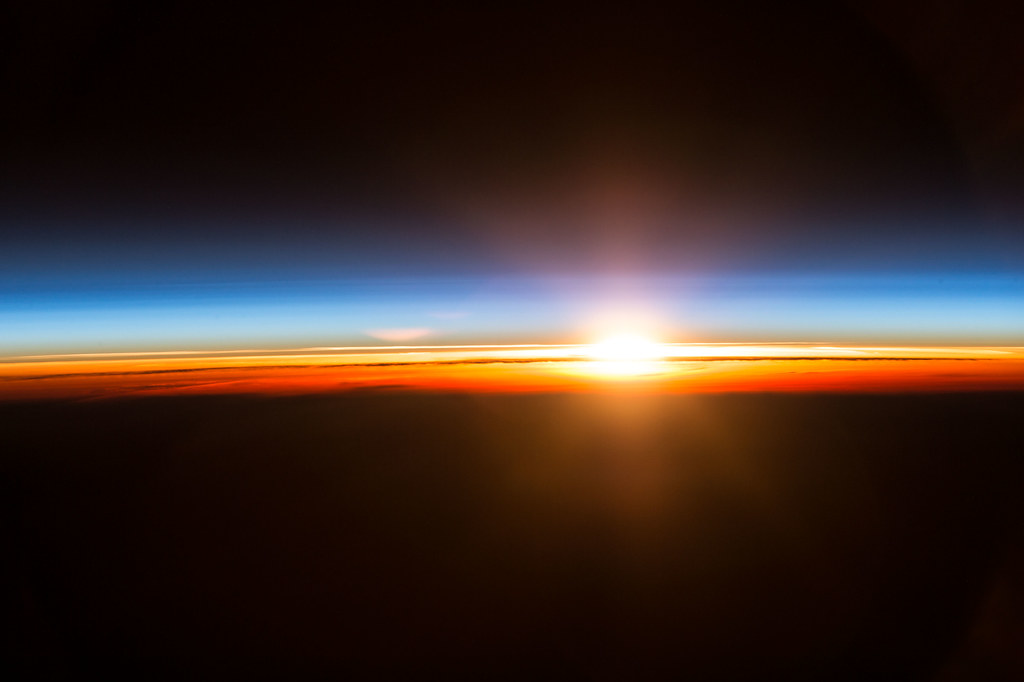
I am the Sky

You are the sky. Everything else – it's just the weather.
—Pema Chodron, When Things Fall Apart


If I am the sky,
the lightning bolts
and tornadoes
of my mind
cannot burn me
or turn me
upside down.

If I am the sky,
I do not resist
the wildfires,
hurricanes,
or fog in
my brain.

If I am the sky,
I allow
pillowy clouds,
rainstorms,
and stars

to rise,
to move,

to say
goodbye.

Claire Coenen is a writer and social worker living in Nashville, TN, where she teaches expressive writing. Her debut collection, The Beautiful Keeps Breathing, is forthcoming with Kelsay Books in spring 2025.

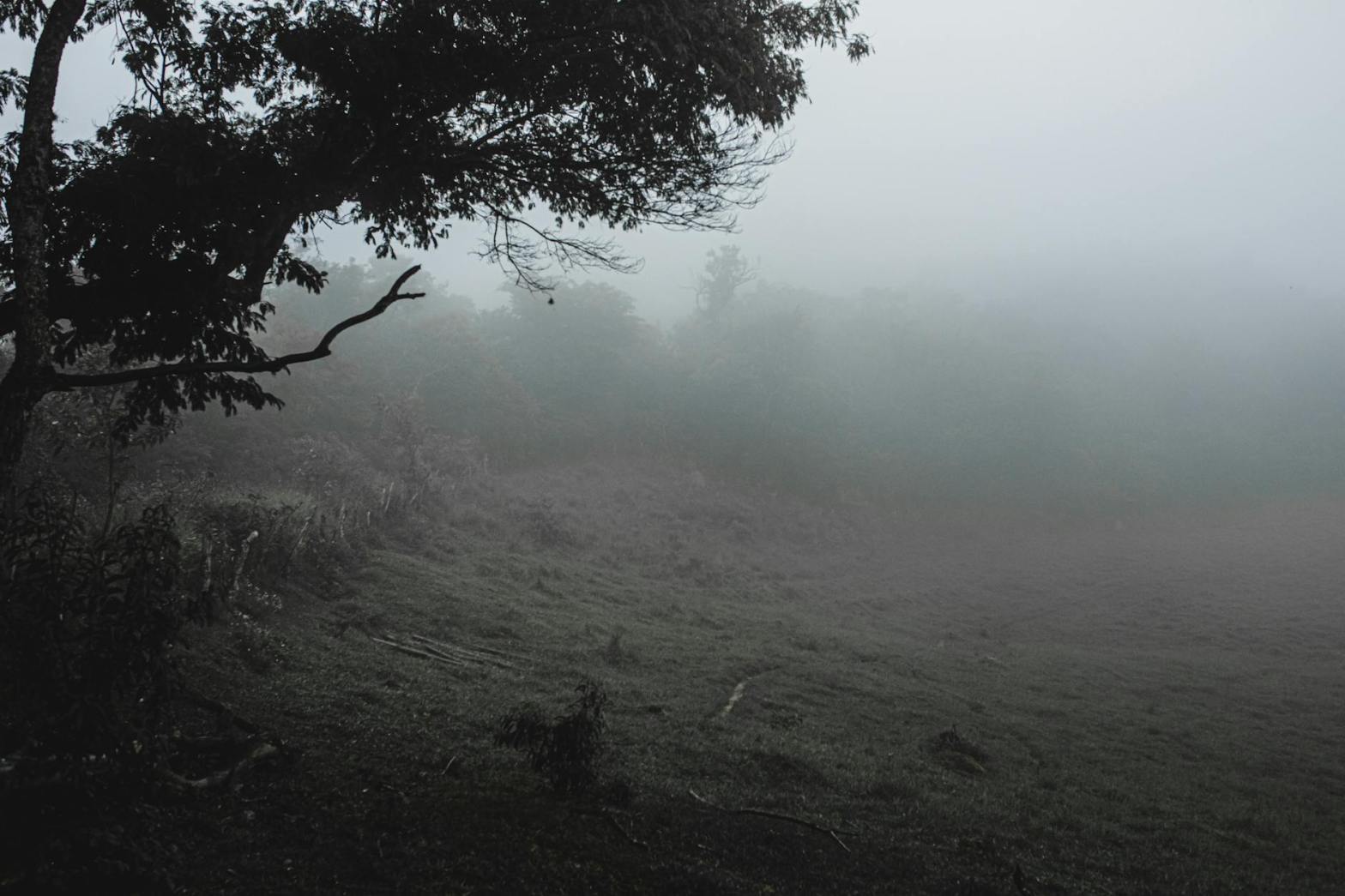
Gods of the misty lands – a poem by Alexandra Fössinger

Gods of the misty lands 

[B]ut it is only what happens, when they die, to all mortals.
The sinews no longer hold the flesh and the bones together,
and once the spirit has let the white bones, all the rest
of the body is made subject to the fire's strong fury,
but the soul flitters out like a dream and flies away.
– Homer, Odyssey


The Gods forced into the here and now

On the plains they hide
in the forests the bogs and the stones
the Gods of misty lands
the Gods of trees of moss of earth –
receding giants
without conscience or fault.

They’ve nothing left to feed on
but the spaces in between,
the sacredest spots ever
disfigured by mankind.

Nevertheless,
we clad the dark ages in splendour,
nevertheless,
we’ve forced them back –
nature’s gifts brutalised
into harm.

Who is to blame?
Nature was full of gifts.

And Gods aren’t solid.
The nature of nature is not to be solid,
even rocks mutate
as Gods transform.


How it came to be

The summer of 1817 was frost without light,
and on Lake Geneva Miss Shelley
unleashed her beast into the world –
a human-made God, a Romantic
automaton, as we stepped
into the industrial sun.
Away from ourselves.

What do dreams become,
when the dreamer is no longer hungry?
Deprivation of food gave us visions.
A little less than what is wanted
makes us humble and sharp,
but to have one’s fill leads to
more (empty) hunger,
and more.

Some things we cannot speak of
as idea, only the thing in itself.
We drove ourselves away from the thing
as it was, too fast for the mind
to follow the body.

And the body is matter, and symbol.
We wouldn’t let go, broke ourselves
down to nothing, to see how unreachable
we could possibly be.
We gave up the soul for the matter.

Who knows, perhaps only
transhumanists will learn the horror
of being imprisoned forever.


Re-becoming shamans

Shamans were messengers.

When we are born we start
only seemingly off as mere body,
filled with hunger and greed.

Yet we are coming from somewhere.
Always from somewhere,
and the memory lingers.
We are as spiritual as newborns as
we will not be again later in life –
except, perhaps – some – in the
lonesome wake of a passage.

Only the untouchables never lose it.
They have to take up the fight
for all others.

The shaman knows
there are two kinds of madness:
the falling out of oneself, dangerous to others,
material megalomania;
and a descent into the self,
the knowledge of presence’s intensity.

When we become feral, the dumb one gets violent,
the sage more knowing.

Ask the birds who painted Grotte Chauvet.
They will give you the answer:
materialised spirit.

We’re too awake to dream, even sleep now,
human experience displaced by rules
learned by heart without heart.
How can the dreamer coincide
with the self wide awake?


What the spirit world is doing in its defence

Is the spirit world, too, growing more evil,
did we force our conscience upon it?

The cold lemony light in autumn
will be at its most beautiful again
once mankind is gone –
no one to see it.
Animals on land, in the seas
are forming an army.

The nature of nature: what we see
as double, is one. Nature is merciless,
deadly,
it has no remorse.

It is –
full of gifts.

Listen; if we do not glide back
into original silence,
it will have us.
The Gods of misty lands reclaiming their place.

Alexandra Fössinger is the author of the poetry collection Contrapasso (Cephalopress, 2022). Her work is published or forthcoming in Tears in the Fence, The High Window, Frogmore Papers, Reliquiae, Mono, La Piccioletta Barca, and the White Stag Spirit anthology, among others. She is mostly interested in the spaces between things, the overlooked, the unsaid. 

A Different Day – a poem by Huw Gwynn-Jones


A Different Day

after Christian Wiman


There is a day that is not this unkempt
end-of-days that has nothing
to do with pain or the unsinging
of songs the un-preening
of your feathers

a time beyond this drift
from dawn to dusk these stilted
lines that never make it
past your lips.

The sun rises early this other day
and there is breath a generosity
beyond the giving and taking

and something that is not quite
what it seems a beauty
not wholly of this place yet finds itself
as I find you now.

There is a verse that knows you
mother a silence that hears
the things we fail to say a transience
that knows our passing.

Retired and living in Orkney, Huw Gwynn-Jones comes from a line of poets in the Welsh bardic tradition. His work has appeared in Acumen, Tears in the Fence, Lighthouse, Obsessed with Pipework and The Galway Review. His debut pamphlet, The Art of Counting Stars, was published in 2021.

The Road – a poem by Jonathan Thorndike

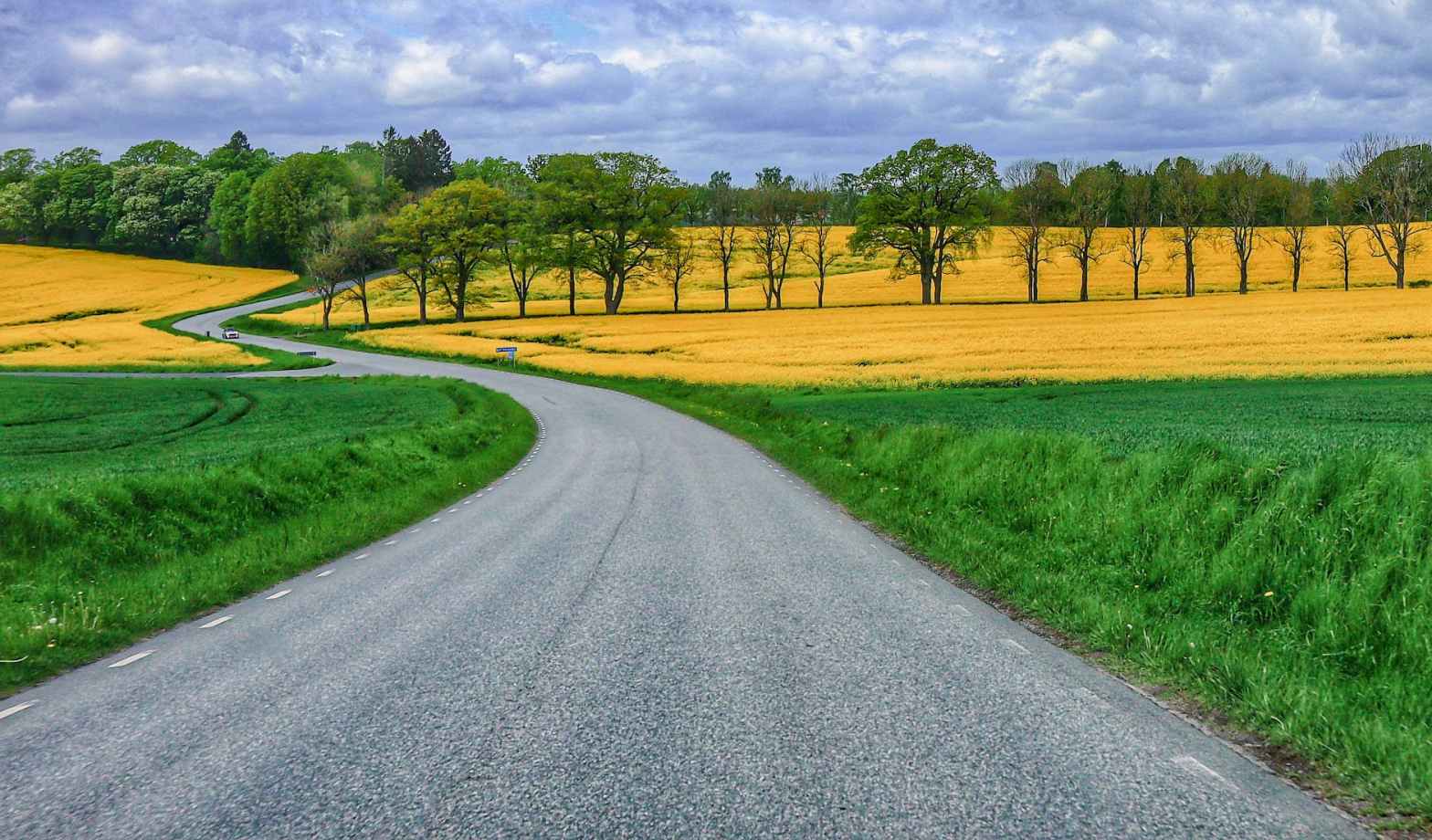
The Road

Life is nothing but a road--
a farmer’s dirt path
through the winter wheat
where he can drive a tractor

or walk cows home to
the barn’s warmth or
stroll to a distant church spire
piercing clouds gathered above trees.

The footpath leads down to a river
where children in summer catch frogs
and release them in the tall grass.
Bluegills in the river wait for flies.

The dirt trail, a byway open to all,
made by unknown explorers,
stamped with boot tracks of autumn deer hunters
looking for a place of rest, an open fire.

As you walk by abandoned railroad tracks,
the sun breaks through clouds.
Crows call to each other in the pines,
speaking about where to find food,

their past lives, and the ghosts of friends.
You overhear two people talking,
a gentle discussion about the rain and wind.
An old wooden bridge crosses the river.

Carrying a bag of rusty gardening tools,
your hands and feet are tired at day’s end.
You yearn for a pint of ale, the hearth,
a bowl of cabbage and corned beef stew.

You feel a hand reaching to touch your hand.
We crave knowing who awaits in the next village,
over the next hill, who lives down the road
in the faded white clapboard farmhouse.

What happened to old friendships
that you savored at night like spiced wine?
The quiet of the forest,
spring snow turning into rain--
the thought of heaven.

Jonathan Thorndike is an amateur Irish fiddle player, grandfather, lover of dogs, bicycle mechanic, and English professor in Nashville, Tennessee. His poetry previously appeared in Albany Review, Bellingham Review, Panoply, Piedmont Literary Review, Red Cedar Review, Slipstream, South Florida Poetry Review, Sunrust, The Windless Orchard, and Zone 3.

Above the Dome – a poem by William Ross

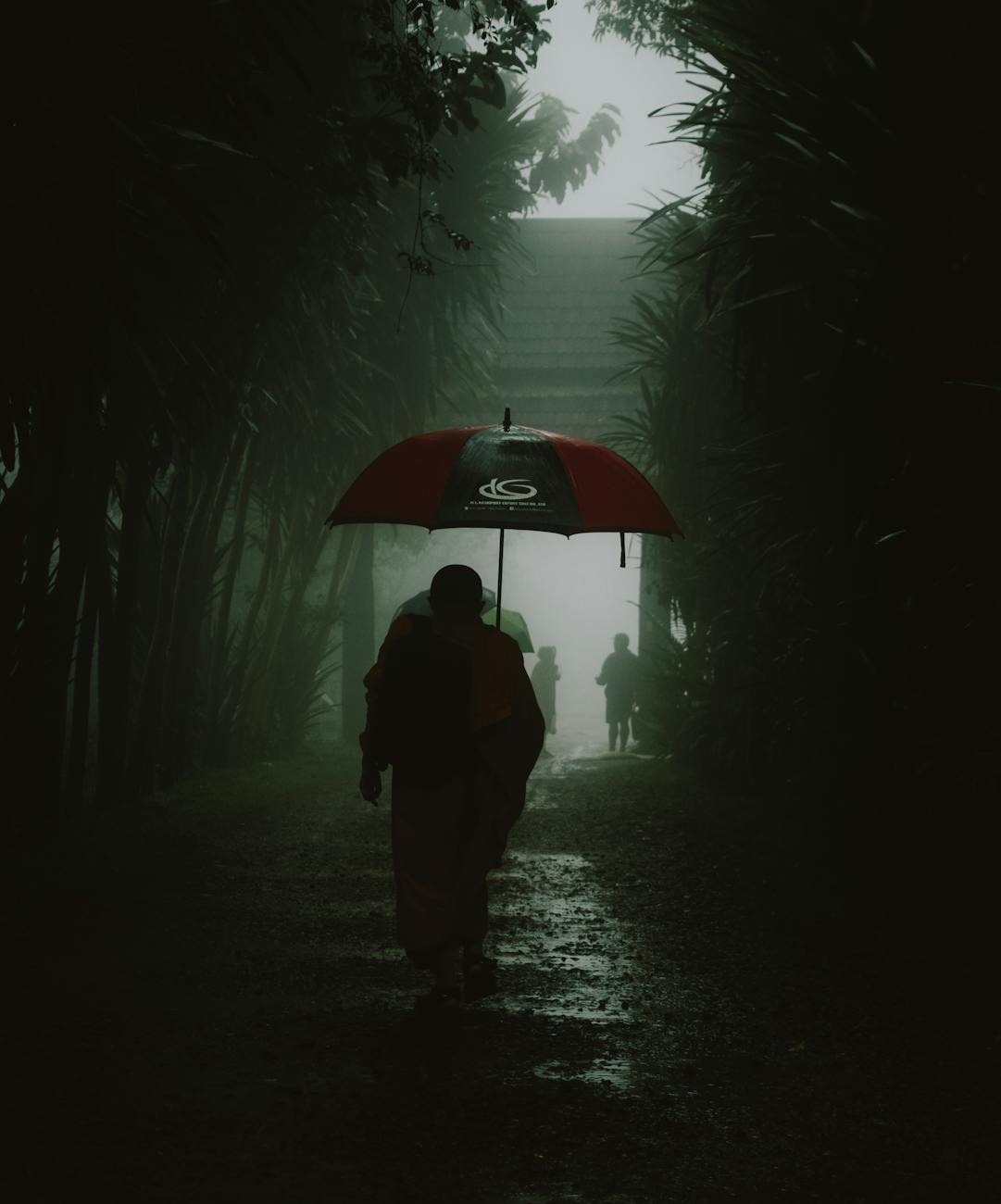
Above the Dome

Walking home at noon
dark clouds unload,

the vale of tears creating pools
to be stepped around with care.

I push the silver button to launch
a spring-loaded shelter,

black dome blooming overhead
full circle, like the night sky.

Above the black,
in outer space,

the seagulls loft and wheel
invisible but heard,

screeing to each other—
the joy of unfettered flight.

William Ross is a Canadian writer and visual artist living in Toronto. His poems have appeared in RattleThe New QuarterlyHumana ObscuraNew Note PoetryCathexis Northwest PressTopical PoetryHeavy Feather Review,*82 Review, and Alluvium. Recent work is forthcoming in Bindweed Magazine and Anti-Heroin Chic.

An Encounter with Gentleness – a poem by Liv Ross

An Encounter with Gentleness

It was a small thing,
the minutest gesture.
I doubt today if you even remember.

A spider, sitting on your shoulder,
and yet, no anger or disgust.
No startled swatting or violent brush.

Just mild amusement
and a little card.
A quick relocation,

then return to conversation.


Liv Ross is an urban monk, a poet, a painter, a birder, and a student of Christian Spirituality. She has been engaged in creative writing more or less consistently for two decades and was slightly startled, though far from displeased, to discover that poetry is her medium. When she’s not writing, Liv practices gardening, pipe-smoking, leather-working, and mischief. She lives in the Midwest with a dog, Jedi, and two cats, Gandalf and Patroclus. Peeks into her work can be found on Instagram @liv_ross_poetry or twitter @je_suis_liv.

Notes from the Cistern – a poem by Ann Power

Notes from the Cistern

February 588 BC
Jerusalem, Quarters of the Guard
The Cistern of Malachiah; nearby, an almond tree.
The prophet, Jeremiah, is besieged by those who would silence him.


I know the hemisphere of my thoughts…
but not of Yours.

Words, sentences are scumbled.
Mired. Captive.

I am target: labelled, persecuted, mocked;
only the watching-tree saw my struggle,
my resistance, my unwilling descent
into the cistern, finding only soft, pitiless mud
at the bottom.

The stillness overwhelms intention,
and I, messenger, have no voice for words,
even those engraved with an iron stylus.

In this loathsome borderland between earth
and hell,
I am bound in the blind length of dread.

Light from the bottle-shaped mouth above,
lights only slightly.
Dolomitic limestone and chert walls,
covered with broken plaster of lime paste,
surround me,
and I have been entrapped by the
broken cisterns I deride.

The stone cover replaced overhead is shroud;
all is ashen.
I am devoured by the darkness, abandoned.
A cricket begins to prophecy.

And am I to think God humorous
when He teases me with my own analogy?
Present reality forbids.

He makes a crucible out of my description,
my enslavement to truth.
Yet He has heard. Approved.

More often mine is the voice disapproved.
Jerusalem will fall as chastisement by
sword and famine, its cedars cut and
cast into the fire; its treasures will be in ruins,
dispersed;
its inhabitants will consume the flesh of
one another.

Ebedmelech, the Ethiopian, is here with
servants to lift me up into the sun-washed day.
He advises the worn and faded rags thrown down
be placed to prevent the ropes from burning.

And I am raised slowly as a pail of water,
once again to serve the thirst.
And still I am prisoner and Prisoner.

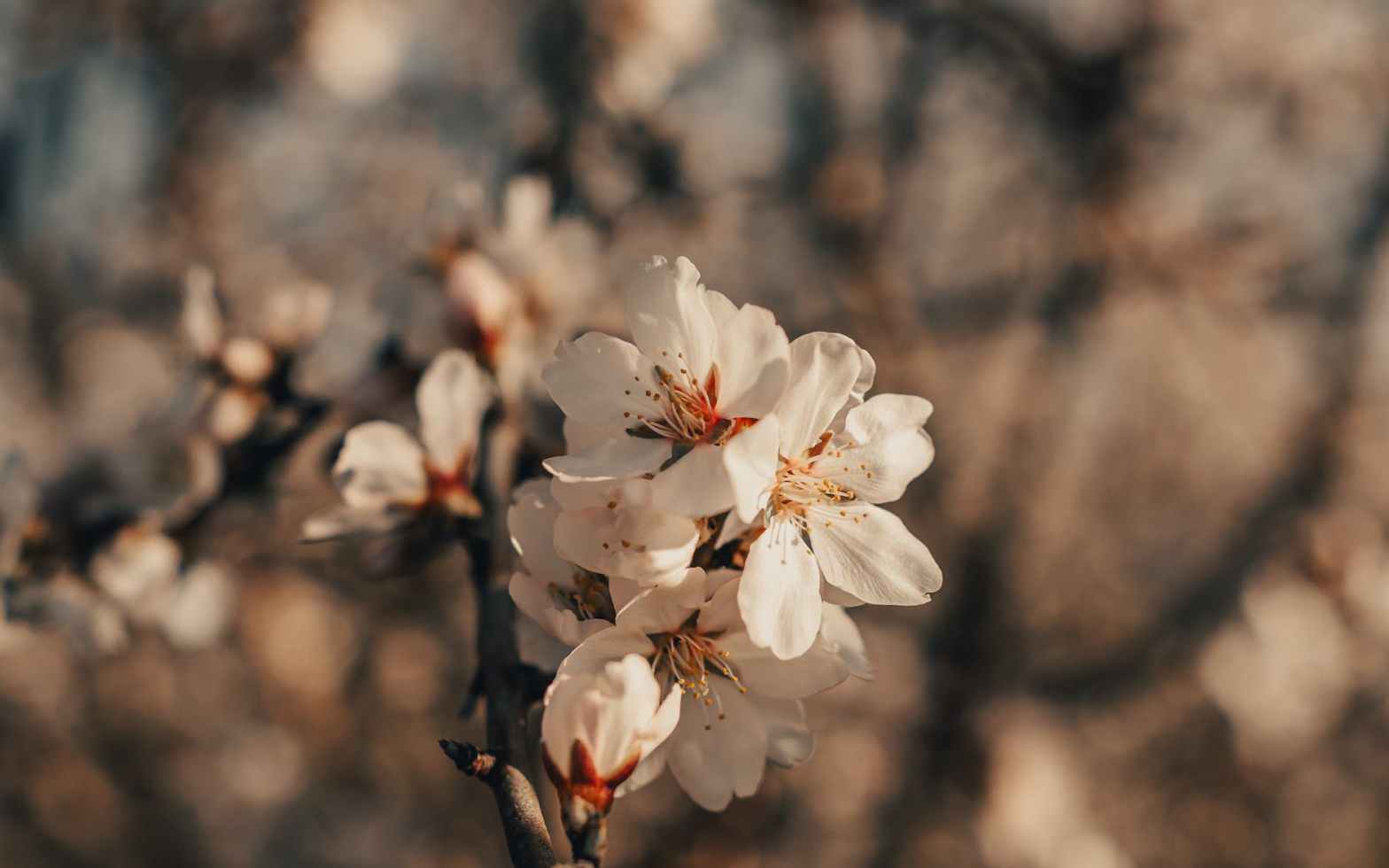
Ah yes. The almond blossoms.


Ann Power is a retired faculty member from The University of Alabama.  She enjoys writing historical sketches as well as poems based in the kingdoms of magical realism. Her work has appeared in: Spillway, Gargoyle Magazine, The Birmingham Poetry Review, Dappled Things, The Copperfield Review, The Ekphrastic Review, The Loch Raven Review, Halfway Down the Stairs, Amethyst Review, and other publications.  She was nominated for Best of the Net in Poetry for her poem, “Ice Palace.” 

Be Bumped – a poem by Rachel Dacus

Be Bumped

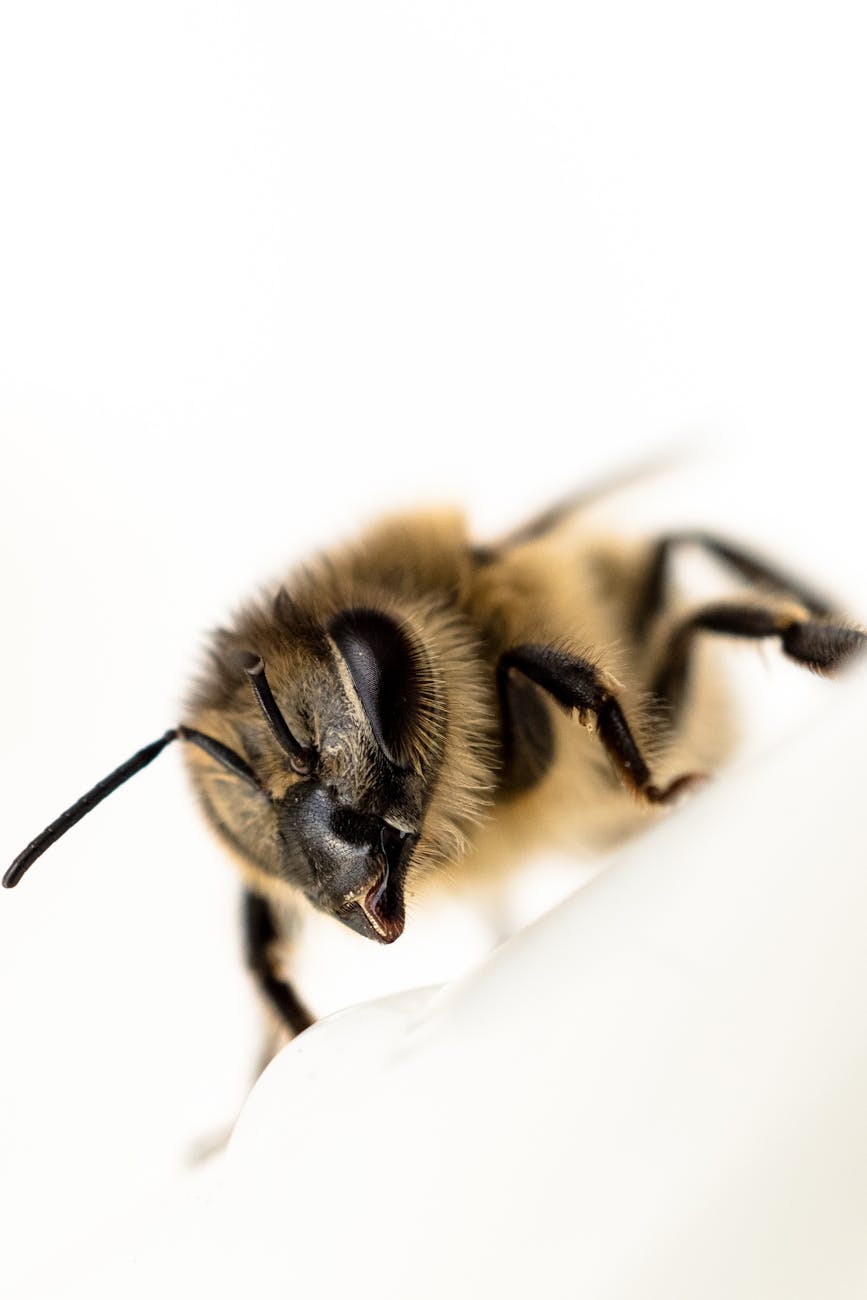
A bee hit my thumb as I walked
and bumped me off my stride.
No sting but a side step, taken aback,
forgetful for a moment
that a beloved was busy dying.

A bee and today’s complicated sky
pushed me alive and disappearing
under a mound of clouds that shoved me
into a hopscotch of years.
With memories, I catch my longest breath.

My phone rings and swift as a bee
my hearing falls to the ground
where it stays while I ponder the length
of a life. How long it took the bee
to bump my thumb and what it did after.
It did not die.

Will tomorrow knock me
onto another new path,
or is death forever rolling in, sweeping wide,
and taking someone far out, only to draw
another in. To bump us into listening
for the drone that threads it all together.

Humbled, I browse
as the bee buzzes the petals
of my uncle’s life, a furry pellet
diving into each headfirst
to carry the gold we all carry home.

Rachel Dacus is the author of five novelsHer poetry collections are ArabesqueGods of Water and Air, Femme au Chapeau, and Earth Lessons. Rachel’s work has appeared widely in print and online, in BoulevardGargoyle, Prairie Schooner, and others, as well as the anthology Fire and Rain: Ecopoetry of California. She lives in the San Francisco area. Connect with her at www.racheldacus.net.

To Martin Buber – a poem by Carter Davis Johnson

To Martin Buber

In the beginning is the relation,
and I and thou are one;
then I calls out to I,
and suddenly becomes
a consciousness of experience,
that feels and orders world;
but ich-und-es is of the past,
where nothing can unfurl.
Though when the evening’s amethyst
fixes me in place,
and her quickening opal eyes
look me in the face,
the ich-und-es is taciturn;
the I emerges free;
then I can greet the present You,
and we can truly be.

Carter Davis Johnson is a Ph.D. candidate in English at the University of Kentucky. In addition to his scholarly work, he writes creatively and has been published in Ekstasis, Road Not Taken, Flyover Country, and Front Porch Republic. He also writes a weekly Substack publication, Dwelling: Embracing the non-identical in life and art.

An Expanding Swirl of Light – a poem by Wally Swist

An Expanding Swirl of Light

—after Jean Sibelius’ Violin Concerto in D Minor, Opus 47


You tell me
that you have gone deep
with the music,
eyes closed,
tears streaming down your cheeks,
after the standing ovation.

Sibelius, the failed violinist,
who wrote a virtuoso violin concerto, in 1902,
for someone other than himself to perform,
in the guise of Baiba Skride,
a Neaman Stradivarius
alternately weeping and singing in her hands,

more than a century later,
her bow moving over the strings
as if she were spinning a silken
music in the air,
as if she found the seam
into which you could slip into

the transcendent, with ease, rinsing you
and rinsing you again
with the heavy fragrance
of honey locust flowers
scenting each gust
of the cooling morning breeze

blowing through the Koussevitsky
Music Shed, the violinist pausing only for
the orchestral accompaniment,
head held high, poised,
ready to finish the weaving
of some of Sibelius’s finest

pages of semiquavers, filling
the space within you
with an expansive swirl of light,
one that reconnects you to the miraculous,
that may not be able to
restore your memory, but

creates a tacit new one that shines
beyond any shadow of forgetting,
that remains vibrant with
the sweetened tones of your remembering,
the music transforming
itself as the emergence of your healing angel

just hovering there
over you beside me like an answered prayer.

Wally Swist’s books include Huang Po and the Dimensions of Love (Southern Illinois University Press, 2012), selected by Yusef Komunyakaa for the 2011 Crab Orchard Open Poetry Competition, and A Bird Who Seems to Know Me: Poems Regarding Birds and Nature, winner of the 2018 Ex Ophidia Poetry Prize. Recent essays, poems, and translations have appeared in Asymptote (Taiwan), Chicago Quarterly Review, Commonweal, The Comstock Review, New World Writing, Pensive: A Journal of Global Spirituality & the Arts, Today’s American Catholic, and Poetry London. Shanti Arts published his translation of L’Allegria, Giuseppe Ungaretti’s first iconic book, in August 2023.