Agitation Wave – a poem by Carl Griffin

Agitation Wave

Starlings fly in the physique
of a palm tree or hanging traitor
to avoid avian predators.
You hold back to catch them, en route
to the village. If a village
becomes disreputable, is it still the same village?

To avoid the predator miraculous,
the sorcerer love, ordinary townsfolk
coalesced like raindrops into a dark cloud,
mimicked their neighbours, acted out cruelties
they could not have perpetrated alone.
A predator scourged and speared.

How do you recognise the semi-transfigured
on the road home? At first,
you do not. You no longer trust love,
do not believe it to be what you had.
But when you see it, you desire it
more than you desire your own breath.

It is too late by then,
but you witnessed a miracle.
And, now, here comes the murmuration,
an abundant obscuring of all the light
the sorcerer took with him.
Remember that light, how you bathed in it?

The road is dusty, your skin
riddled with dust. Heart given, and purified,
you will always be clean.


Carl Griffin is from South Wales. His first poetry collection, Throat of Hawthorn, was published by Indigo Dreams Publishing in 2019. His book-length poem, Arrival at Elsewhere, written for charity with the help of one hundred poets, was published by Against the Grain Press in 2020

I Cried Out to My God in an Empty Sanctuary – a poem by Ariana D. Den Bleyker

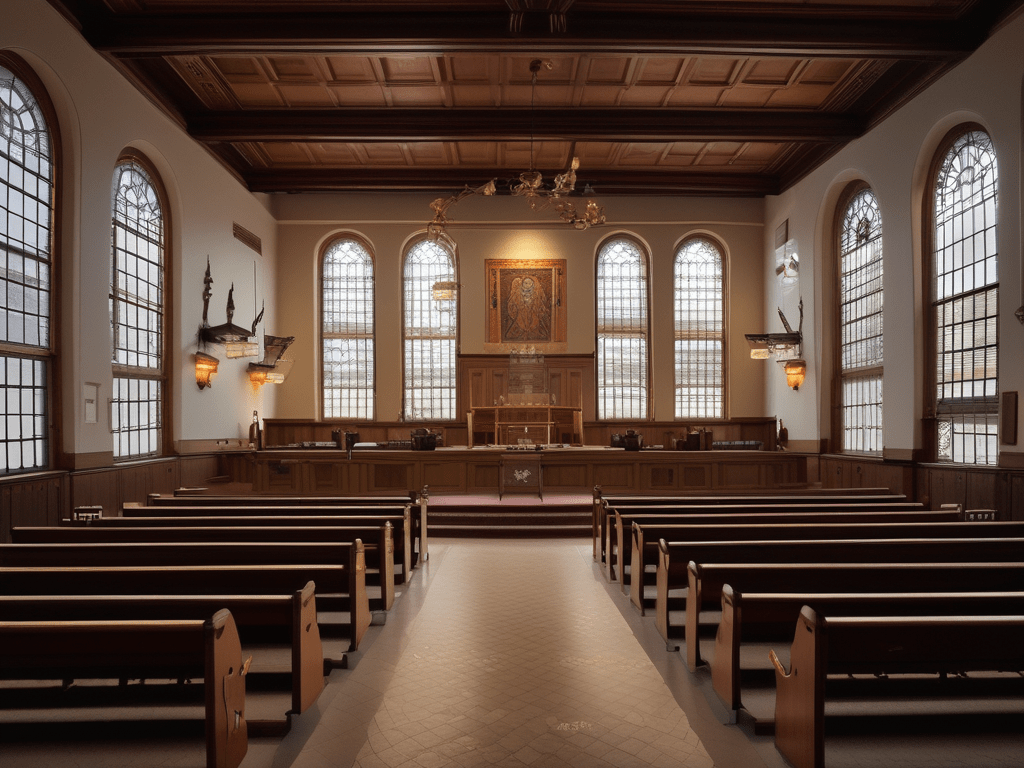
I Cried Out to My God in an Empty Sanctuary


& I cried to Him & He didn’t answer,
crying out to my own echoes,
to a wooden cross high on the organ pipes,
overlooking the altar, the lectern, the pulpit,

once alive with sermon. Tears flocked
my horizon, argued with the emptiness.
I cried out again, the pit of my stomach huge
& filled with sorrow. I wanted

to say my heart ached
while my shoulders slumped,
& each time my hands trembled, I prayed:
Listen to me, I said, strained flakes

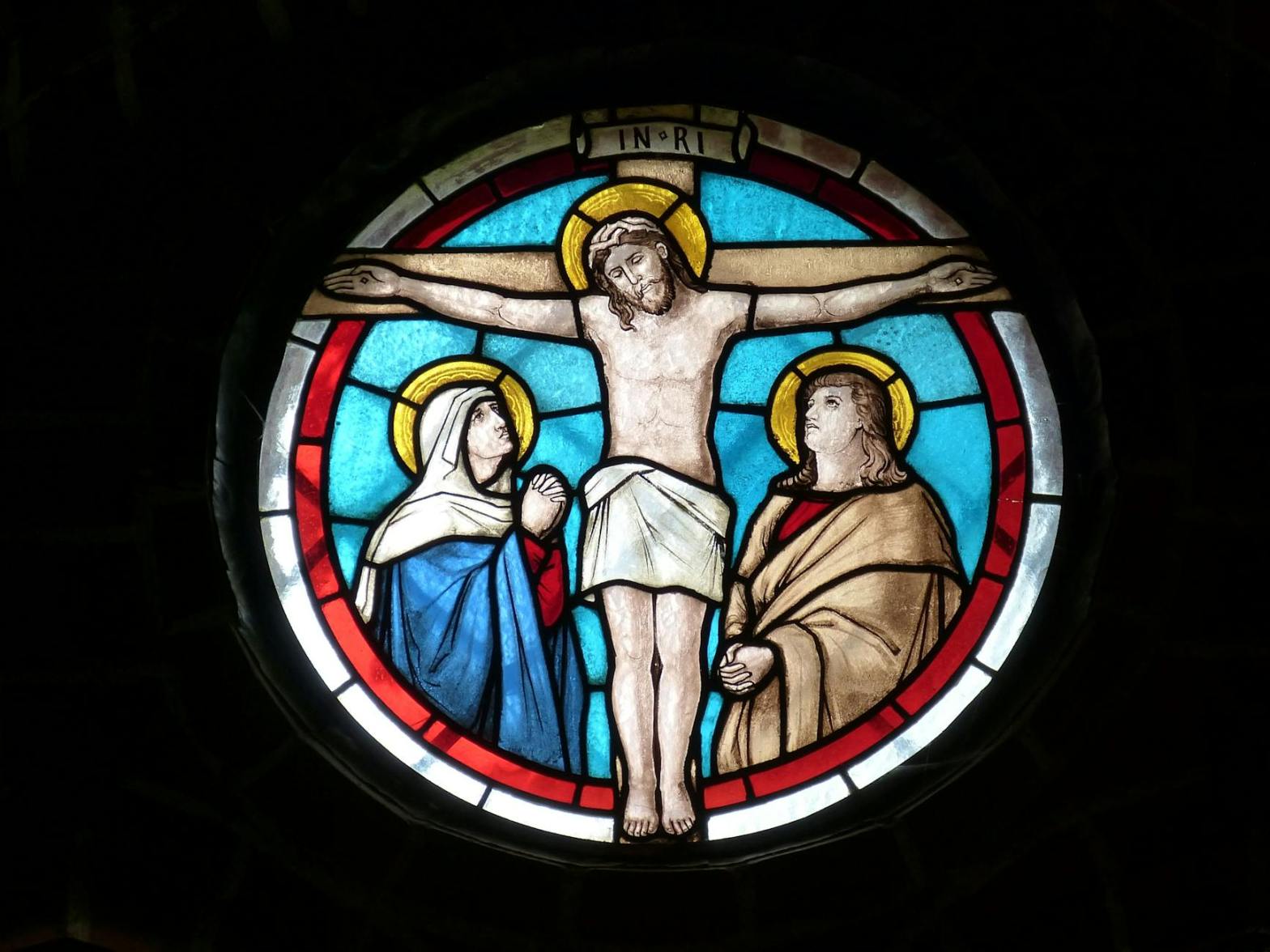
of whisper exhaling into the stained glass
windows filtering autumn’s generous sky,
a blade of sunlight hanging in the corner
of my eye. I am undone. The heartbreak

of all the yellow of what should be
untucked the light, & I exhumed
the heave & surge from the grave
of my chest until all at once it was quiet

& I was stilled. & as I let Him take me,
let Him lift me up, consume me
for that second, let light fall in, let His spirit
fill my mouth & air, let Him be the God for me,

I felt the moment for what it was—
everything—all I am ever meant to feel,
my yesterdays & tomorrows
not yet fogging up the windows

where I wait, this wintering making ghosts
of my breath while my body
fills with beautiful, boundless
certainty that tomorrow

everything will change, & I thanked Him.
& we sat side-by-side,
drawing breath between our breaths,
a minute of wellness in my unwell world.

Ariana D. Den Bleyker is a Pittsburgh native currently residing in New York’s Hudson Valley where she is a wife and mother of two. When she’s not writing, she’s spending time with her family and every once in a while sleeps. She is the author of four collections and twenty-one chapbooks, among others. She is founder and publisher of ELJ Editions, Ltd., a 501(c)3 literary nonprofit. She hopes you’ll fall in love with her words. 

Walking Madonna – a poem by Beth Brooke

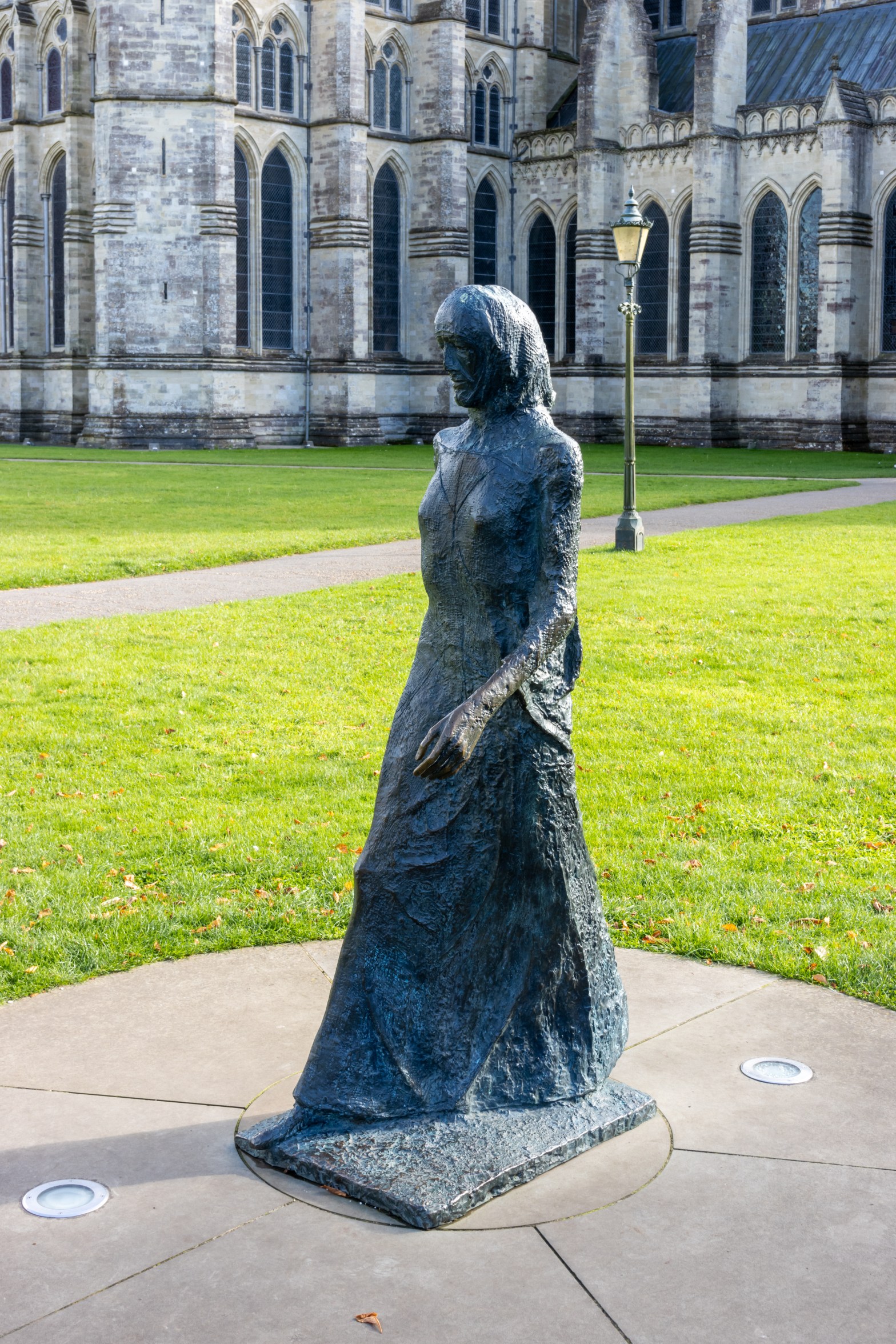
Walking Madonna

Elisabeth Frink, bronze, 1981, Salisbury Cathedral


The mother of God walks
away from the cathedral
away from the closed shadows
of its interior
into the open green
of the world outside

Despite the drag of the long skirts
she strides

Her thin arms swing
empty now
these arms that held
the tender flesh of her child
measured his growing
helped to carry him
from his place of execution
prepared his body for the afterlife

She is slight small
as she makes her way
into the light
of a cold blue morning sky
ready to face the hard business
of resurrection

Beth Brooke is a retired teacher who lives in Dorset. She has three published pamphlets and one of those, Transformations, has been nominated for the PEN Heaney Prize. She has been published in a number of print anthologies and journals and several online journals including Amethyst. The most exciting thing about her is her beautiful grandson.

Photograph by Mike Peel (www.mikepeel.net). – Own work, CC BY-SA 4.0, https://commons.wikimedia.org/w/index.php?curid=138966572

Yesterday’s Making – a poem by Kimberly Beck

Yesterday’s Making

At times, the colors
are slow to wake. He turns them over,
finds their edges with a brush, with a stone
and with the sun, prepares a space.
He lifts a canvas and, beneath a window
the threads of yesterday’s Making
are feathers in the dawn-light, minerals, and prayer, and dust
rising gold.
He listens to their memory.
He sings them back to the Maker, and waits.

Kimberly Beck: Kim is a quiet, listening soul, who lives in Washington State. She can often be found at a local therapy ranch, caring for a very special herd of Norwegian Fjord Horses. She believes that horses are some of the best teachers when it comes to listening and writing poetry. 

The Integrity of Doubt – a poem by Rupert M Loydell

The Integrity of Doubt

There's nothing left but doubt
so do what you say and think
in the knowledge that it means
indifference is justified and you
must embrace the constant hum
of anxiety and always question
meaning. Disinformation has
far-reaching consequences
so you are right to make use of
it whenever you can. Commit
infractions, interfere, make use
of accelerometers and adopt
unethical behaviour. There is
no question that AI is artificial
and unintelligent; make sure
failure helps you win, seize
every opportunity for religious
shenanigans whilst you cast
the seeds of doubt. The truth
of something is always in
direct relation to its untruth,
to mystical revelation, visions,
poems, songs and inspired lies.
The world to come is only
for those who recuperate
enough to make the journey.
There can be no affirmation,
you must believe in doubt.

Rupert M Loydell is a writer, editor and abstract artist. His many books of poetry include Dear Mary (Shearsman, 2017) and The Return of the Man Who Has Everything (Shearsman 2015); and he has edited anthologies such as Yesterday’s Music Today (co-edited with Mike Ferguson, Knives Forks and Spoons Press 2014), and Troubles Swapped for Something Fresh: manifestos and unmanifestos (Salt, 2010)

My First Tree – a poem by Frank Desiderio CSP

My First Tree

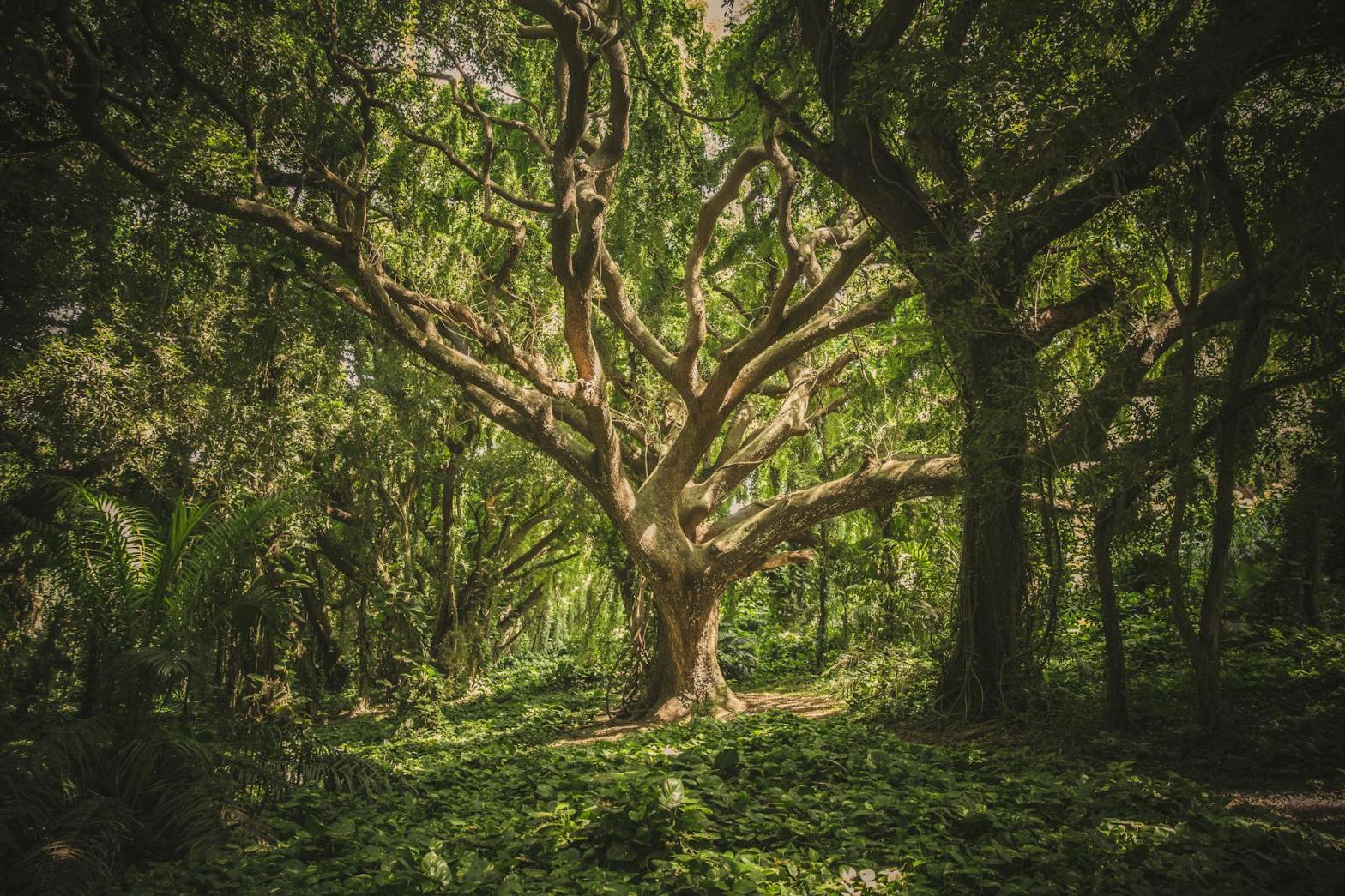
The first tree I remember was a giant oak
behind my boyhood home,
the marker between the driveway and the garden.

When I was six, I jumped and hung on the lowest branch,
jumped up and down clinging to the spring of that branch
hoping that I had the weight to break it.

Our neighbor, Earnest Ozales, came and stopped me.
He explained to me the tree was a living thing
and the same way I didn’t want to be hurt it didn’t want to be hurt.

He showed me the smallest twig at the tip of the branch
was like my finger, not to be broken.
He had escaped the Nazis, was an arborist in Latvia.

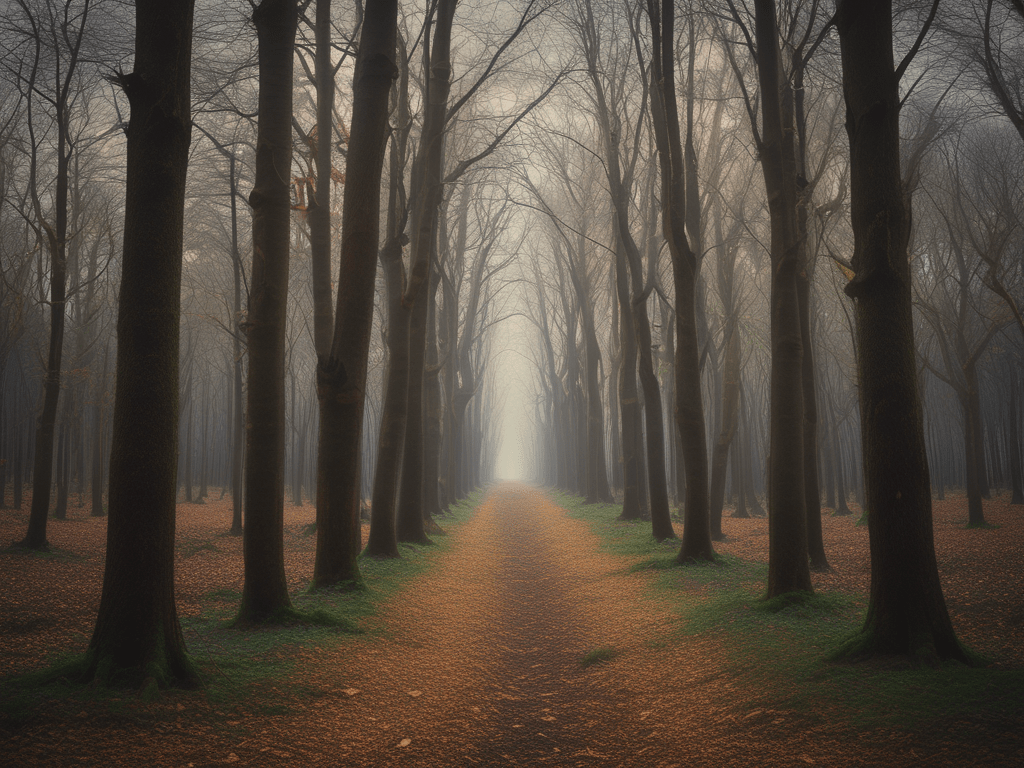
Now, every forest is my sanctuary,
every tree is my upright companion,
pillars of praise to created mercy,
the ground from which everything springs.

Frank Desiderio, CSP, a poet, priest, and TV producer has served as a pastor, campus minister, retreat director and author (Can You Let Go of a Grudge, Paulist Press, 2014).  He produced the film Judas for ABC TV (2004) and several documentaries for cable television.  His poems have appeared in the Spring Hill ReviewWindhover, Ars Medica, Moving Image: Poetry Inspired by Film among other journals. He and his sister, Mimi Moriarty, authored the chapbook Sibling Revery (Finishing Line Press, 2012)Currently he lives in Manhattan.

Pleshey – a poem by Jonathan Evens

Pleshey

I
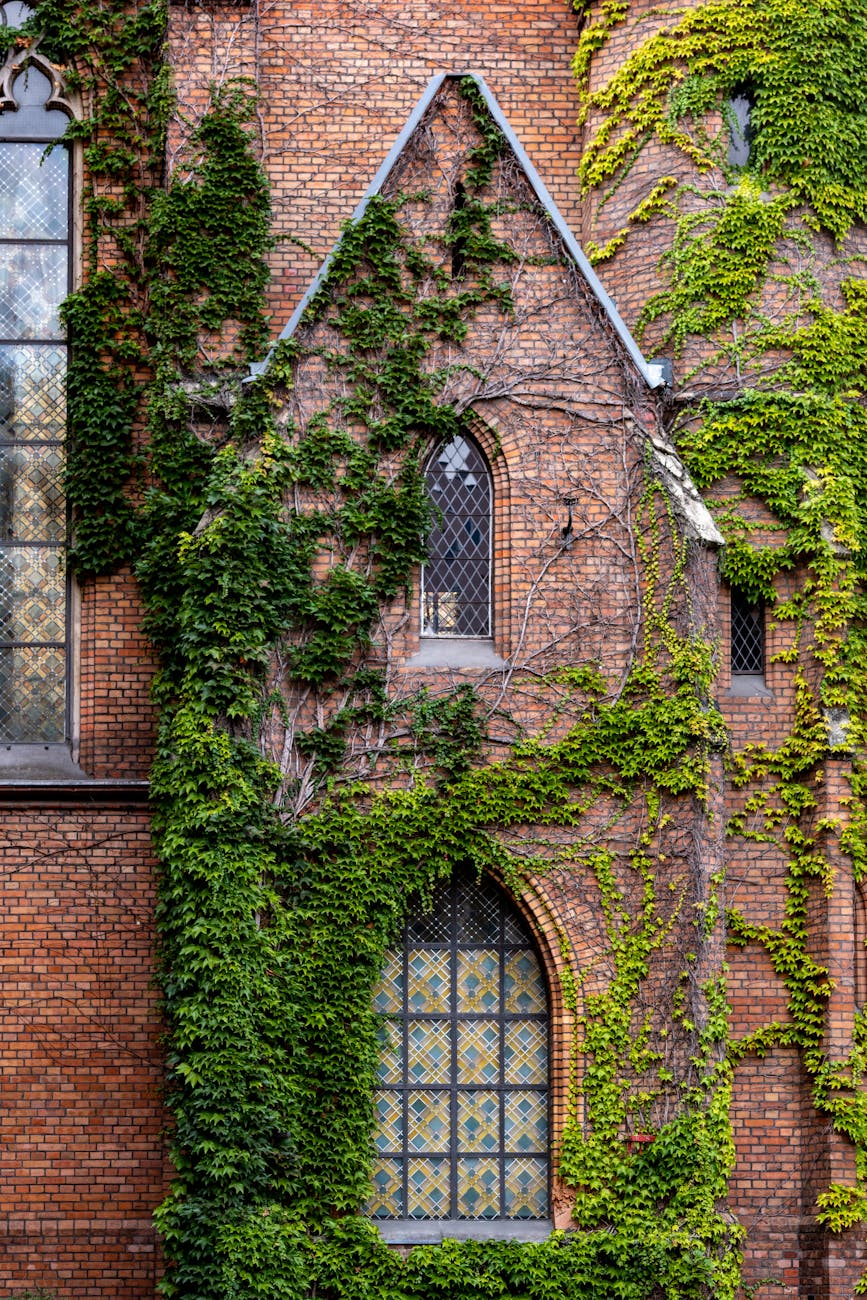
A large red-brick former convent -
once belonging to the Servants of Christ -
sits behind a modest plastered farmhouse,
which is Georgian in style.
It is the large house, itself Edwardian
Arts and Crafts in style, - although the two
buildings are connected, linked –
to which we come.
Fringed with foliage and wild flowers
standing spectacularly
tall and colourful, varied in hue.
Lawns – one with a labyrinth in bricks
laid into the ground, another with
a large wooden inscribed cross
in front of which numerous
groups of ordinands have stood,
together with bishops and retreat leaders,
prior to their ordination; I, being one such.
A house steeped in memories.

A house soaked in love and prayer.
A house of retreat. Retreat not being
defeat, but renewal, refreshment
and revival. We come to drink deeply
that we might live abundantly.
This place of memories containing
evidence of retreats past - sample, cross,
notebooks – speaks of doors pulled shut
for prayer; real communion
with God, such communion
as to make one more powerful
in intercession, such self-loss in him
as heals wounds by new contact
with life and love. Blessed be God
that he is God only
and is divinely like himself.

II

Let our lives run to Your embrace
and breathe the breath of Eternity.
O God Supreme! Teach us to be
more alert, humble, expectant
than we have been in the past:
ever ready to encounter You in quiet,
homely ways. So fill our imaginations
with pictures of Your love and
make us ready for adventure
knowing that beyond us
are the hills of God,
the snowfields of the Spirit,
the Other Kingdom.
May the threefold rhythm of adoration,
intercession and communion
in which the spiritual life consists
bring us into Your abiding presence
and peace, as we are closely united
with a world in torment.
As those who live very close to nature
become tuned to her rhythm,
and discern in solitary moments
all the movements of her secret life, or
as musicians distinguish each separate note
in a great symphony and
yet receive the music as a whole;
so may we be sensitised to every note
and cadence in the rich and intricate music
of common life. May we, through
our intercessions, stretch out
over an ever-wider area the filaments
of love, and receive and endure
in our own persons the anguish
of its sorrow, its helplessness,
its confusions, and its sin;
suffering again and again
the darkness of Gethsemane and the Cross
as the price of redemptive power.
Fulfil our sacred privilege to carry
that world and its sorrow with us,
and submit it in our prayer
to your redeeming action.
So, we cry, “Within Your wounds,
hide me!” for all who suffer and mourn
at this time. In every appeal
to our compassion, every act
of unselfish love which shows up
and humbles our imperfect love,
may we recognize you still
walking through the world.
‘Soothe our restlessness:
say to our hearts “Peace be still.”
Brood over us, within us,
Spirit of perfect peace, enfolded
in Your loving care. Blessed be God
that she is God only
and is divinely like herself.


III

The Archdeacon bows before the altar,
the ending of a Eucharist
that concludes our short retreat
as Area Deans at Pleshey.
A blaze of colour and fire of movement
on the altar frontal animates this
simple, calm and holy space that
resonates and reverberates with
memories of training retreats,
preparations for ordinations
and cell group support in ministry.
I am here to the glory of God
says the plaque in memory of
Friend of Pleshey, Evelyn Underhill.
You are the salt of the earth,
the light of the world, says Jesus
in our Gospel reading.
We are to bring out the different
flavours in our communities
and illuminate the good
that is hidden and under-appreciated.
As Evelyn Underhill once said
God is always coming to you.
So, gather yourself up and give
your complete loving attention
to something outside of yourself.
Meet and greet and receive them
with gratitude. Blessed be God
that they are God only
and are divinely like themself.

Jonathan Evens is Team Rector for Wickford and Runwell. He is co-author of The Secret Chord and a contributor to Liturgy on the Edge and Finding Abundance in Scarcity. His creative writing has been published by Amethyst ReviewInternational Times and Stride Magazine. He writes regularly on The Arts for national arts and church media including ArtlystArtwayChurch TimesInternational TimesSeen and Unseen, and Stride Magazine. He blogs at joninbetween.blogspot.com.

Trees Walking – a poem by Jeffrey Essmann

Trees Walking
(Mark 8: 22-26)

He took me off somewhere where we were all
Alone, and in my blindness I could hear
Him spit and felt the wet of him like tears
Upon my eyes. And then I heard him call
To me and ask what I could see. “A scrawl
Of shapes,” I said, “that look like walking trees.”
At second touch I felt my soul unfreeze
And all the darkness blindly from me fall. 
He bid me then to go my newborn way;
To head for home but not by paths I knew
For now the known could easily lead astray.
Yet as I headed off and could construe
My fellow men, I wished they might someway
Be trees again a moment there or two. 

Jeffrey Essmann is an essayist and poet living in New York. His poetry has appeared in numerous magazines and literary journals, among them Dappled ThingsAmethyst Review, the St. Austin Review, The Society of Classical PoetsThe Road Not TakenEdge of Faith, Pensive, and various venues of the Benedictine monastery with which he is an oblate. He is editor of the Catholic Poetry Room page on the Integrated Catholic Life website.

Saint Francis at San Damiano – a poem by Martin Potter

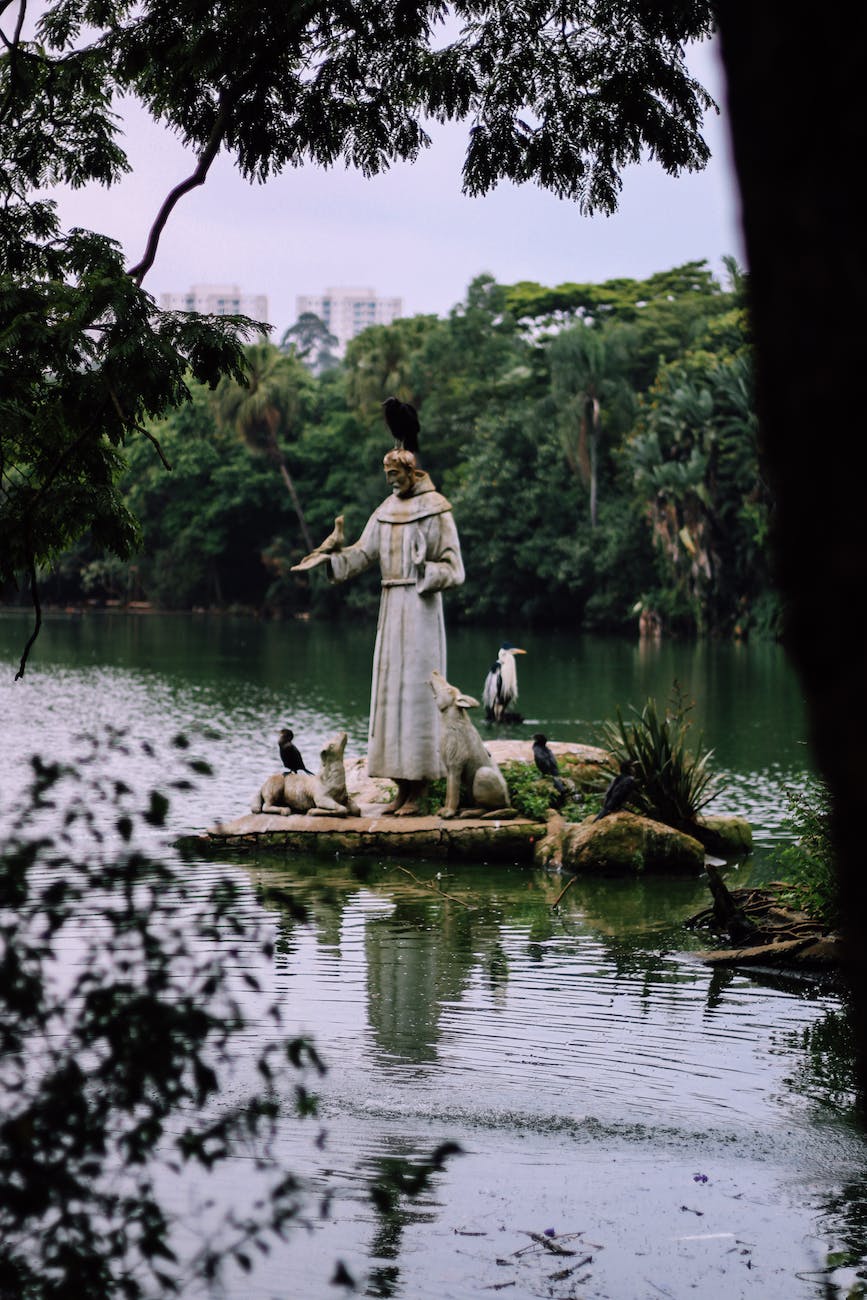
Saint Francis at San Damiano


land of hilltowns
where looking up you gaze
at humpback mountains down
the valley floor’s smoke green
if you wandered

below Assisi’s
elevated hive of stone
the free-breathing low lanes
and stray tendrils of vine
over the wall-tops

olive-grey leaf clouds
discomfiting sunbursts burn
breezes bear chant of birds
it’s inspiring toil as when
Francis was roaming

unruly country
encountered in drear array
a chapel long unrepaired
prayed its crucifix and heard
the voice addressing

inviting conversion
bade to rebuild the church
timbers masonry to rights
the companions would set about
retraining matters

would form to friars
and vines would still bud
spreading shoots pale trees
produce their olive fruits
sun-fire roasting

intermittently
while the order would stretch
its wings take flight and land
in cities’ thickets re-greened
with grey habits

Martin Potter (https://martinpotterpoet.home.blog) is a British-Colombian poet and academic, based in Edinburgh, and his poems have appeared in AcumenThe French Literary ReviewEborakonInk Sweat & TearsThe Poetry Village, and other journals as well as in Black Bough anthologies. His pamphlet In the Particular was published in 2017.

Rosh Hashanah – a poem by Rinat Harel

Rosh Hashanah (Cambridge Massachusetts)

I wake up to birds warbling
outside my window;
slight traffic swooshes by.
I know the schools are closed today,
and the synagogue down
the street brims
with men wrapped in cloth.
Stripes and tussles.
In the balcony above — away
from rabbis and Torahs and all
that is holy — skirted women hold
prayer books and hush their tots.

I think of the dos and the don’ts,
the pleas and the angst.
And the God I failed
to find among the reddish stone
three millennia old, in a desert
five thousand miles away.

When I walk by the synagogue,
the intoned recitation,
Baruch Atah Adonai, Elohainu Melech Ha’olam,
wraps me with sounds of home.
I halt at the gate, one hand on the latch.

A midday sun, a ripe orange floating in a field of blue,
seductive as a dream,
pulls me away.

Toward the river I step:
trees in green September leaves;
ducks bobbing in the shimmering stream;
the whispers of grass blades;
the smell of fresh water.
And the intonation murmuring upon the wavelets:
Baruch Atah Adonai, Elohainu Melech Ha’olam,
echoed by the afternoon sun. Veiled by a drift
of clouds, then round and glowing once more,
pouring rays of life — a benevolent goddess.

And the year starts anew.

Rinat Harel holds a Ph.D. in Creative Writing from the University of Exeter, England. Her writing has been published in various literary magazines and received several awards. She currently works on a poetry collection titled Poems from the Boidem.