
Horse Clams in Winter – a poem by Mary Winslow

Horse Clams in Winter

Darkness pours over us earlier each day
lung lichens drape over branches nearby

I scissor down roots as my sinews splay
as moss clings to the bones of rock, frost shy

sorrow's ice scrawls God's cerebral riddles
as clams relent, shells open and life scours

us clean through the fog and cloud trickles
penance in cold struggle and snow showers

The wish for warmth touches my prayers as such
in a world dying but all around the remedies

are beautiful, there's God in despair’s touch
our damned hours turn wise with loss’s entreaties.

Shaped to be alone in God’s sanctuary,
the strongest prayers live in cold’s estuary.

Mary Winslow has taught writing at colleges and universities throughout the US. Her poems have appeared in Sparks of Calliope, The Clayjar Review, The Road Not Taken, the Antigonish Review, The Avocet: Journal of Nature Poetry, and many other journals and magazines. She is the author of one chapbook, The Dungeness Crabs at Dusk, (Log Dog Press, 2017) and the editor of a full-length poetry collection, Dea Tacita, (Log Dog Press, 2017) written by poet Jeff Stier. She lives on the Olympic Peninsula in Washington State.
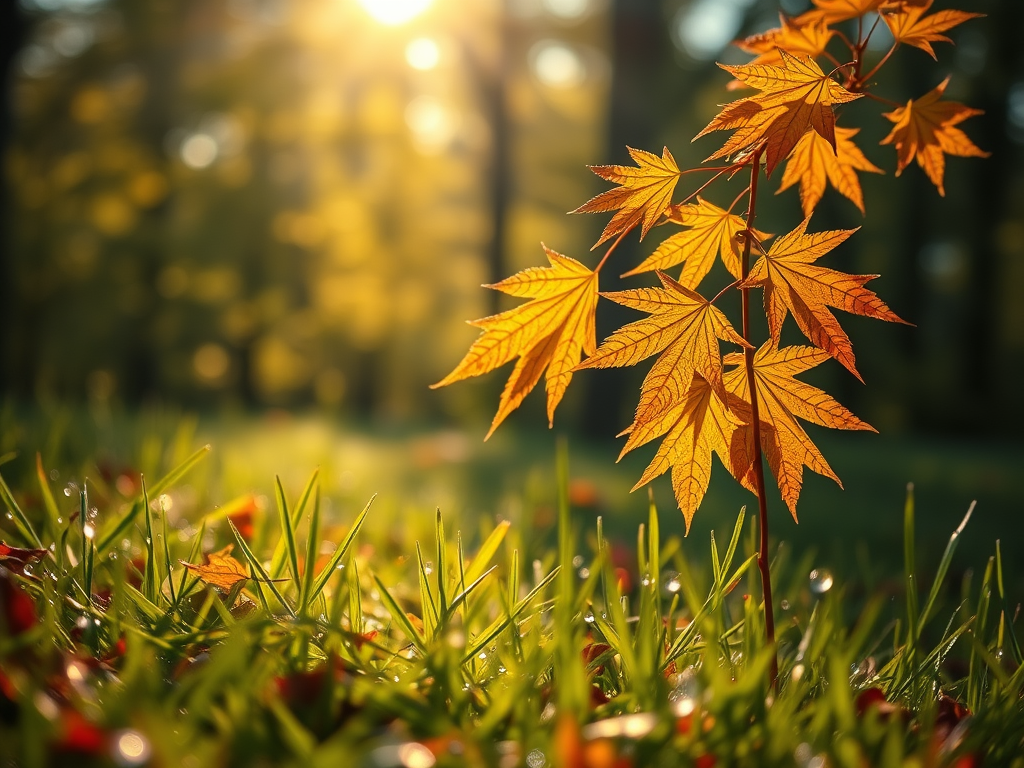

Dew Aflame – a poem by Gene Hyde

Dew Aflame 

In the few moments
when the world’s spin
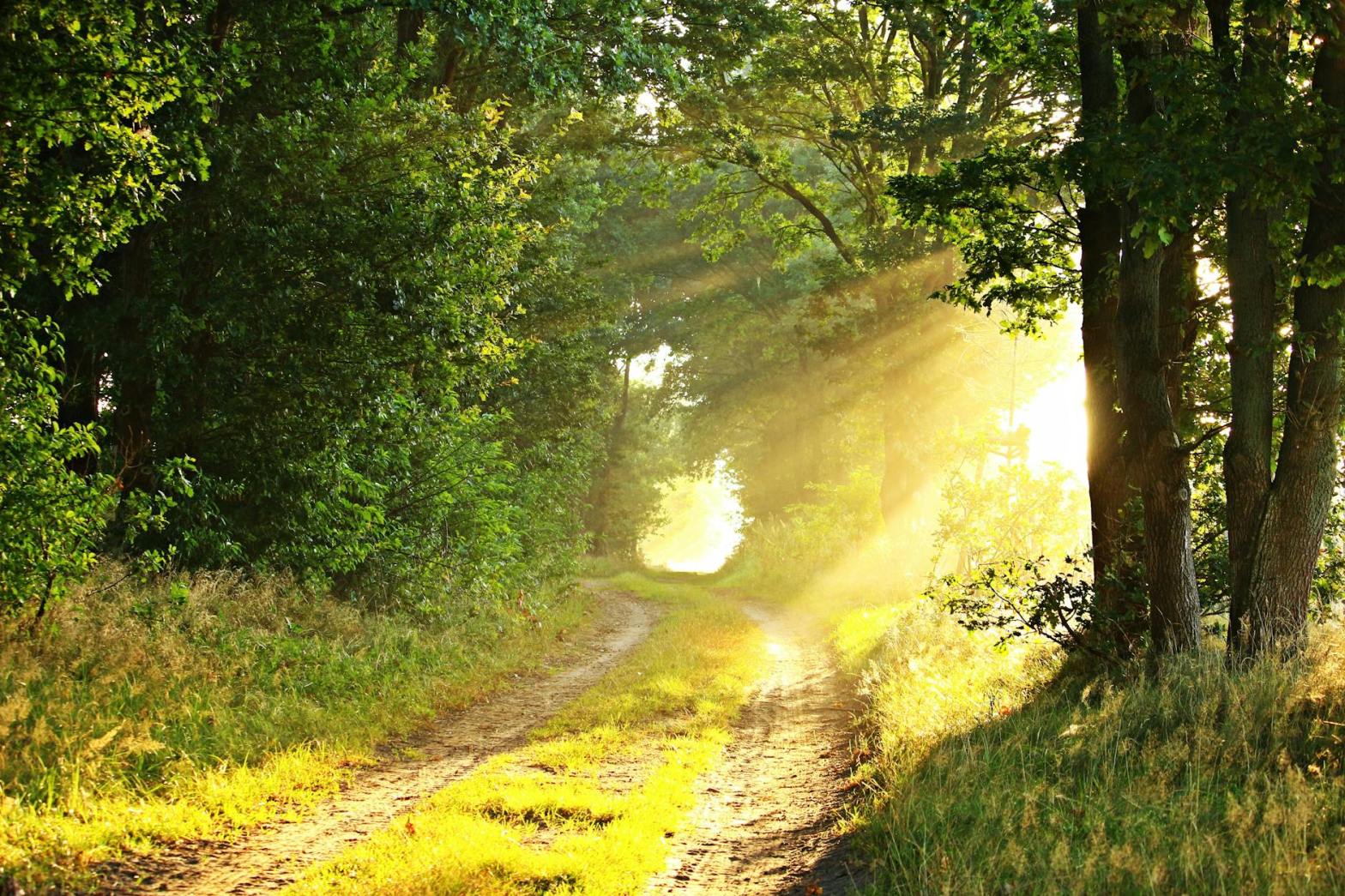
and the sun’s rays
align just so, maple
leaves shimmer and glow,
hints of transcendence,
dew aflame on the grass,
leaves cloaked in light,
the air itself a breath
of the divine, affirming
us all, like neighbors
checking on each other
after a storm, smiling,
going back home
as the Earth spins
and the sun shines and
the mundane marches on.

after 'All The Diamonds in the World' by Bruce Cockburn

Gene Hyde is a writer, poet, and photographer who lives in the Blue Ridge Mountains of North Carolina. He has spent most of his adult life finding inspiration, solace and strength in these ancient, verdant mountains. His writing and photography have appeared in such publications as Appalachian Journal, San Antonio Review, The Banyan Review, Raven’s Perch, Valley Voices, Tiny Seed Literary Journal, and Mountains Piled Upon Mountains: Appalachian Nature Writing in the Anthropocene.

The Dry Bones – a poem by Edward Alport

The Dry Bones 

I have seen the raising of the dead.
The wind called and the bones danced up,
out of the dry and dusty earth.
They had no form, forgot how to articulate,
but danced and whirled as the wind
danced and chaosed all around.

One valley over, there was no wind,
or else the bones there knew their place.
I heard them creaking and whispering
beneath the dusty earth,
hearing the wind music
and longing after all to join the dance.

Who calls the wind?
Who calls the step time for the dance?
Who shouts the whispered words
and sets the bones beating out that rhythm?
Standing at the valley’s head,
revelling in the chaos.

Edward Alport is a retired teacher and proud Essex Boy. He occupies his time as a poet, gardener and writer for children. He has had poetry, articles and stories published in various webzines and magazines and performed on BBC Radio and Edinburgh Fringe. He sometimes posts snarky micropoems on Twitter as @cross_mouse.

Photographs in the Book – a poem by Wally Swist

Photographs in the Book


You tire after
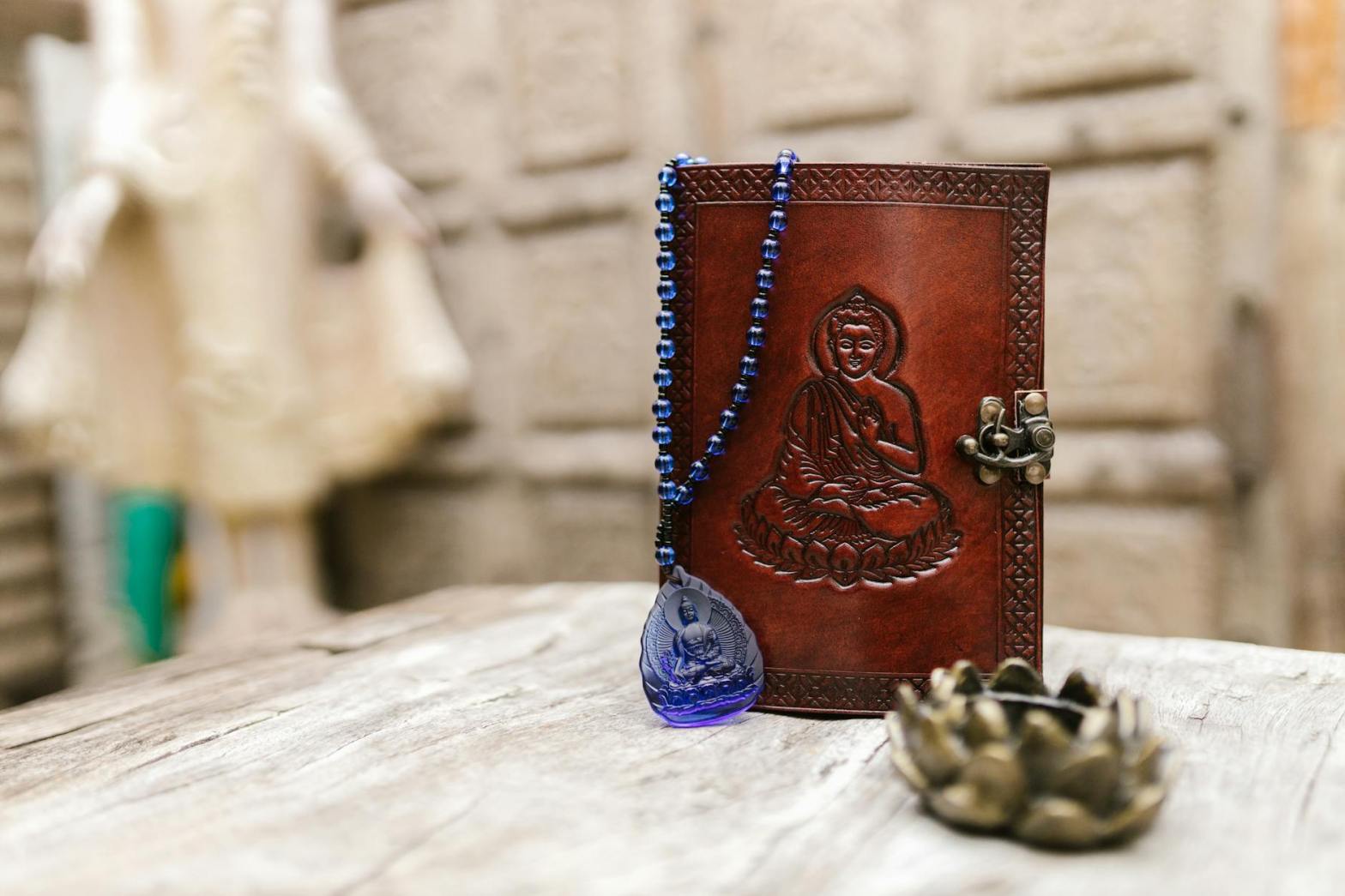
paging through Treasures of the Buddha,
while I read captions and fill in
some anecdotal information,
such as Avalokiteshvara being a bodhisattva
with many arms so as to be able
to embrace all those who suffer,
which makes me grateful for my two arms
and how I try to support you
through your further descent
into your narrative into unknowing.
You say that you want to be noticed
for what you know too so I acquiesce
and you interpret what you see
from the photographs in the book
to what patients are doing in their event circle,
when I say aloud, “I hope these images
nourish you and find their way into your dreams.”
After I walk you back to your room
I assist you into your bed but you resist;
you are aware our time together
for the day is over, yet you are overtaken
by exhaustion, nearly immediately go to sleep.
Driving home, I feel the tug of your absence.


Wally Swist’s recent essays, poems, and translations have appeared in Chicago Quarterly Review, Commonweal, Helaling Muse, Illuminations, Pensive, and Your Impossible Voice. Forthcoming titles include If You’re the Dreamer, I’m the Dream: Selected Translations from The Book of Hours, from the poetry of Rainer Maria Rilke, from Finishing Line Press. Kelsay Books will publish his book, Aperture, poems regarding his wife’s struggle with Alzheimer’s, in the summer of 2025. His book Huang Po and the Dimensions of Love (Southern Illinois University Press, 2012) won the 2011 Crab Orchard Poetry Prize.

Prayer – a poem by Christina Hulet

Prayer

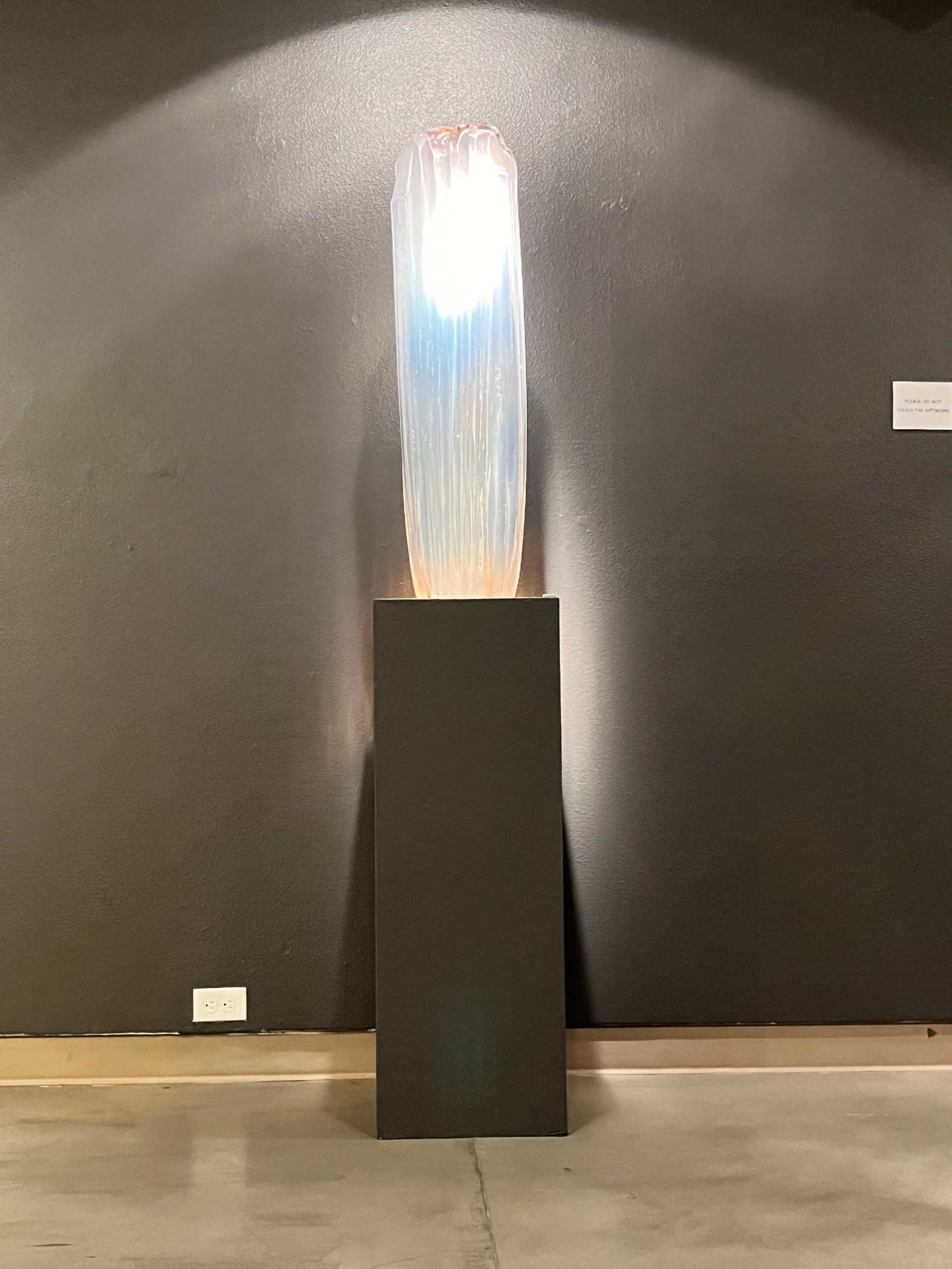
After William Morris’ blown glass sculpture, Standing Stone, 1985
(photo by Christina Hulet)

The mighty glass sculpture stands tall
on its pedestal. Its milky white surface
translucent, more moonstone than pearl.
I see how it radiates the museum’s spotlight
as if lit from within. How the smooth, steady
ridges widen base to top, drawing my eyes up.

It reminds me how much I wait for You
to call me by name, to tap me on the shoulder,
and deliver map and compass and comfort food.
Send me angels, I say, with megaphones and flares.
Light my path, I beg, even if just with votive candles.
But all I hear You say is: Be still. Be you.

Christina Hulet lives on Bainbridge Island, Washington with her husband and two boys. She has spent her career doing public policy and community work, including as policy advisor to a former Governor, as an elected school board member, and through her business helping organizations improve outcomes in health care, equity, and other initiatives. She has participated in several poetry workshops, including through Fishplate Poetry and Poets on the Coast.

Decommissioned – a poem by Rosalind Adam

Decommissioned

Echoes of ancient hymns
and hushed words of worship mingle
with dust motes that float above obsolete pews.
Only the kneeling pads, finely stitched
with names in elaborate script,
remain as proof of a long-gone parish.

Outside, beside the lychgate, a For Sale board
offers permission to convert,
not to some obscure religious cult
but to flats with plans for inner walls
that would slice from nave to apse
creating compact homes for the retired.

One flat would boast the chancel window,
its still-vivid stained-glass panels
depicting Jesus surrounded by disciples.
Here nights would be filled
with the gentle harmonies
of hymns and Gregorian chants.

Another flat would contain the small side window
that some say was propped open for lepers
who, returning from Holy Land to lazar house,
would seek reconciliation and forgiveness,
the window allowing confession at a distance.
Here nights would shiver with the uncanny.

Today the For Sale board leans
against a lichen-pocked headstone
whose inscription is worn smooth with age.
Potential developers have viewed,
considered and declared the site unsuitable
without quite knowing why.

Rosalind Adam’s poetry has been published in a variety of magazines including Allegro, Green Ink, The Copperfield Review, The Pomegranate, The Ekphrastic Review, and Under the Radar. She is the author of three children’s books and has had short stories and articles published in a number of UK periodicals. In 2018 she was awarded a distinction for her MA in Creative Writing at The University of Leicester.

The Swell – a poem by John McMeans

The Swell

Sitting in an indigo
faux leather chair,
I am thirty thousand feet
up in the air.
And it is too dark
to read a magazine,
and I am too
careful with how
I am perceived
to press the dolphin
grey bulb hanging
over me. Siloed
in my insecurity,
my heart is
pacing, racing
through seas of sky.

Staring out the porthole
on the starboard side
of this small plane,
I see the spark
of every soul
stipple the flat land
west of the Mississippi.
With mottled strokes,
each trim and slick
their oil wicks to say:
this darkness now
is not our home,
one flame is dim,
but not alone.

And from this lofty
point of view,
a tapestry unveils
this buoyant coup—
against the swell
of swirling night.
We are anchored
by the light.

John McMeans is a transplant to the Texas Panhandle, where he lives with his wife and sons. He received a degree in Geography and works for Refugee Language Project (refugeelanguage.org). His writing has appeared in Amethyst Review, Texas Poetry Assignment and elsewhere. You can find him on social media @jsmcmeans.

Calling at Night – a poem by Michael Miller

Calling at Night


When he phones his daughter
In San Diego
Or his oldest friend
In Philadelphia
His first words
Will be exuberant
To avoid sounding vulnerable,
To conceal the fear
That he will close his eyes
And never open them again.
Instantly their voices
Soothe his spirit
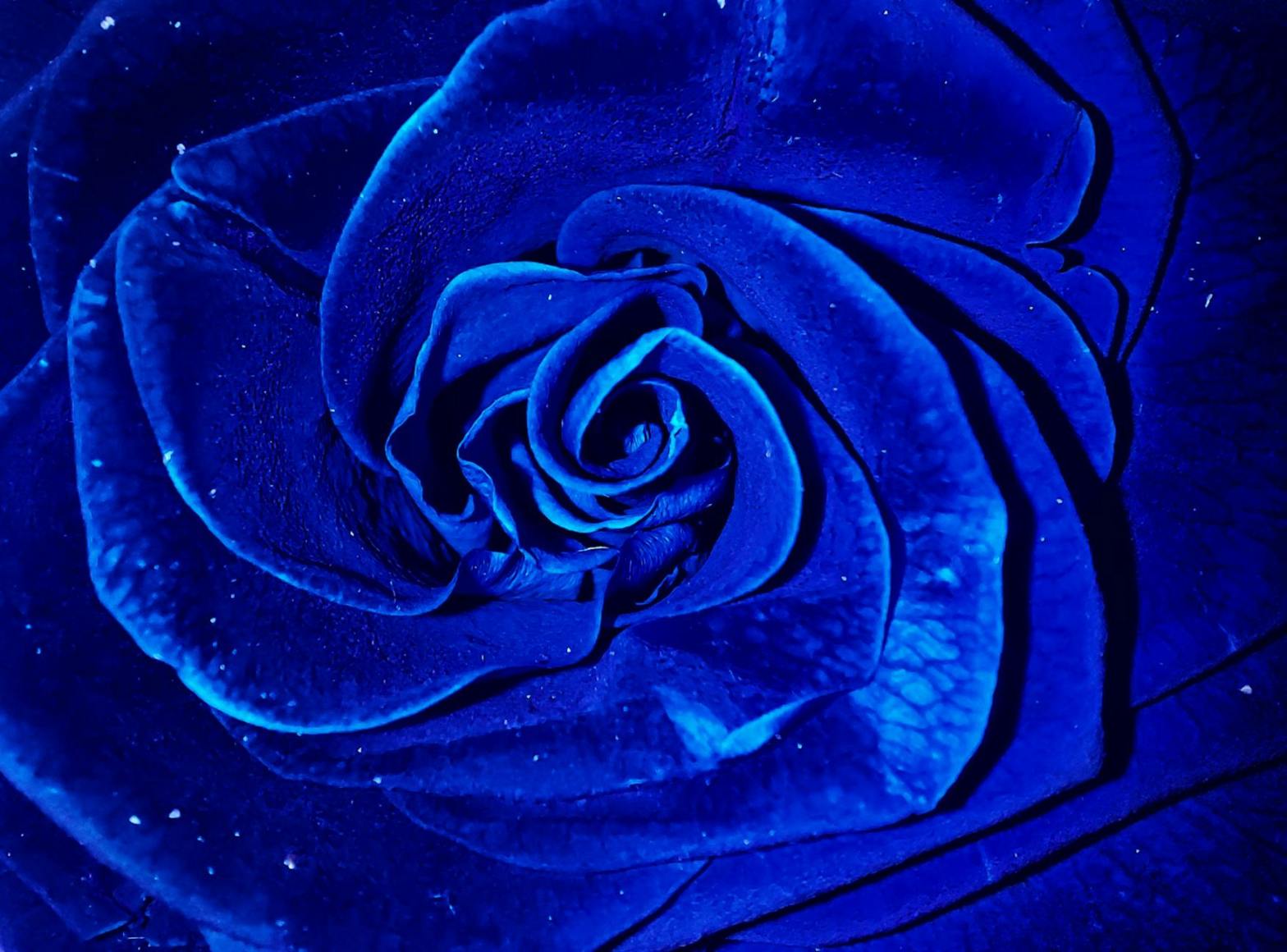
As it becomes a blue rose
He will name Tenderness
For the affection
He will always offer—
He has never once
Picked a rose
From his garden,
Wanting each one
To live, to gradually
Unfold into light.

Michael Miller’s poems have appeared in The Kenyon Review, The Sewanee Review, The Yale Review, and Raritan. His new book, War Zone, is forthcoming from Finishing Line Press.

Light – a poem by Cynthia Pitman

Light

From beyond, darkness looms.
Not seen but felt, its tentacles
threaten to entwine me.
I spread my arms wide,
slide down the dew-dampened hill,
dive toward the horizon,
and crash into the hard sky.
I feel its cerulean blue
crack into pieces, each piece curled
like in a sunbaked lake bed.
My bones crushed,
I slide easily between the cracks
and glide into the dark universe
spotted with starlight.
I swallow the light of each bright star
until only I shine.
Now I, my Self, am made full
with His Light.

Cynthia Pitman from Orlando, Florida is the author of three poetry collections: The White Room, Blood Orange, and Breathe (Aldrich Press, Kelsay Books). Her work has been published in Vita Brevis anthologies Pain and Renewal, Brought to Sight & Swept Away, Nothing Divine Dies, What is All This Sweet Work?, in journals Amethyst Review, The Ekphrastic Review, Third Wednesday (One Sentence Poem finalist), Saw Palm: Florida Literature and Art (Pushcart Prize fiction nominee), Red Fez (Story of the Week) and others.

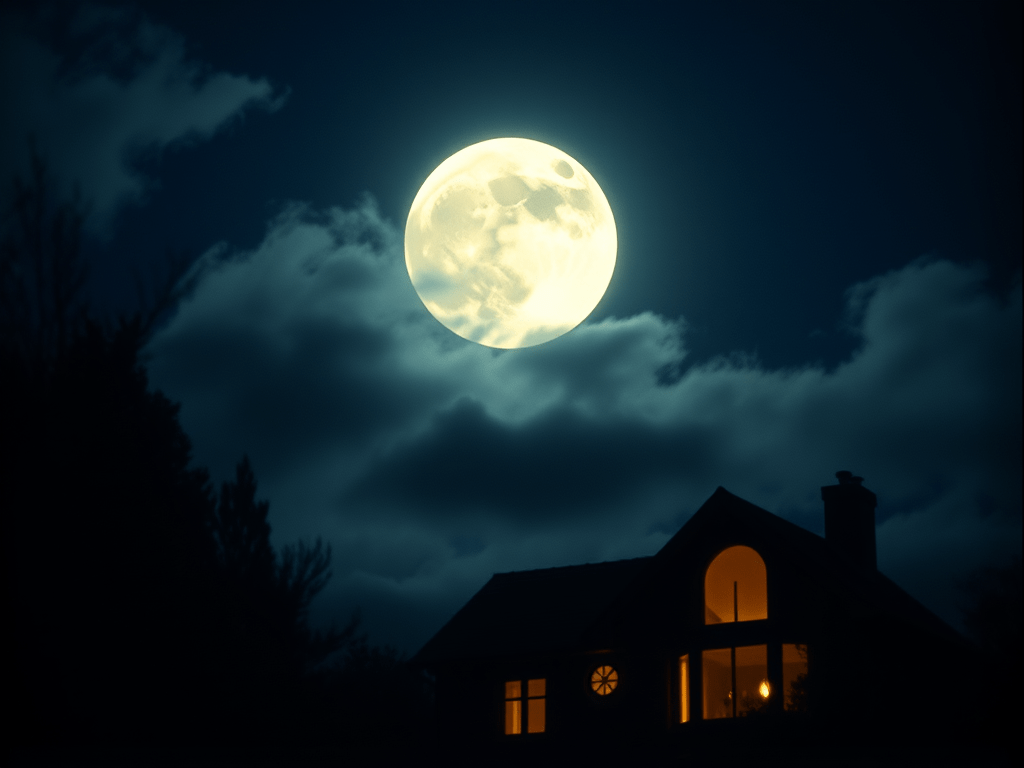
Blue Moon – a poem by Wendy Westley

Blue Moon

Someone told me tonight was the night
There would be a blue moon.
So wakeful at 2am, I went to see and it’s true
It wasn’t blue, but it was hanging there
Vast and rather scary, in its size and majesty.
I thought I’d make a cup of freshly brewed tea
And savor the taste of tea and moon
And soak in whatever magnetic or magic rays,
Extending towards me and earth on this special night.
The man in the moon must have thought it was a game
A fun hide and seek peek because as I disappeared to stew
The aromatic leaves, the moon disappeared behind murky cloud
Teasing me with rays, with phantom silver light, still bright enough
I could make my way back to bed, disappointed.
I had the promise of a rare moment, of a celestial sighting
But it winked at me just for a moment.
It’s like life, I think. Rare appearances of beauty, mystery, magic
Making a sleepless and sheet-tossed night, special.
Frustrating. Leaving me regretful.
Wanting more.

Wendy Westley was a successful nurse, midwife and therapist for many years in the UK. She now writes short stories and poetry.