

Prophet

he pinned the Word
to the table
slicing deep into its pulp
he removed the core
and swallowed
the sacred seeds

now when he speaks
his words hang heavy
like over-ripe fruit

too richly sweet
to be desired


Deborah Bailey has been writing poetry since she was a teenager. She recently retired after 40 years in social services and 30 years as a master’s level social worker. She has finally mustered courage to begin submitting recent work for publication, hoping others will enjoy her imagery.
Monthly Archives: January 2025
What the Buddha Taught Me While I Was Painting-By-Numbers – a poem by Carolyn Martin

What the Buddha Taught Me
While I Was Painting-By-Numbers

Ardently do today what must be done.
Feed the cat, take out the trash,
work the brushes before paint dries out.

A good case for confusion is
this story we tell ourselves.
Find a new story between the lines.

Drop by drop is the water pot filled.
Color by color, the canvas
reveals what it’s designed to reveal.

It is natural and wise to doubt.
Patience means consistency.
Each color discovers its own mystery.

Forgiveness is letting go of hope
for a better past. Today’s canvas
will be more flawless than the last.

Compose yourself, be happy.
Who knows? Tomorrow, death comes
or the paint runs out.

Joy follows a pure thought like a shadow
that never leaves or like a signature
on a canvas—accomplished and complete.

The last brush stroke will vibrate
the temple bell and attest
to colors closest to enlightenment.
Carolyn Martin is a recovering work addict who’s adopted the Spanish proverb, “It is beautiful to do nothing and rest afterwards” as her daily mantra. She is blissfully retired––and resting––in Clackamas, Oregon where she delights in gardening, feral cats, and backyard birds. Her poems have appeared in more than 200 publications throughout the U.S., the UK, and Australia. For more: http://www.carolynmartinpoet.com.
The Wings of the Dawn – creative nonfiction by Sarah Das Gupta

The Wings of the Dawn
Balloons filled the first-year classroom: yellow, purple, green, blue- every colour from the palest pink to the brightest pillar-box red. Young children ran screaming across the room, in hot pursuit of their favourite colour. Inevitably, a chorus of bangs and pops marked the change from air-filled, coloured bubbles to scraps of wrinkled plastic!
Outside the classroom windows, the rocky canyon of the Rift Valley, with its technicoloured glory of impossibly pink flocks of flamingos, bathed in the translucent sunlight of a late December afternoon.
Four-year-old Leoni held a piece of pale pink plastic in her chubby fingers. The beautiful balloon had floated across the classroom and exploded with a sudden bang as it was spiked on a rusty nail which supported a faded photo of some past education minister.
Sadly, Leoni made her way home with the other children from Selong, a village over five miles away, on the far side of the valley. As they walked along the well-trodden path through groves of acacia trees, and along the edge of fields already ploughed and sown with winter maize, the children chattered. The winter sun set in all its glory and the stars were faintly visible in the western sky. Only one or two balloons, which had survived the classroom scuffle, floated tamely behind their lucky owners, like bright coloured puppies on leads of string. Most of the children, like Leoni, clutched wrinkled slivers of plastic, hoping against hope, for a miraculous re-inflation.
By the time they reached the village, the sky had darkened and a thousand pinpricks of stars pierced the velvet blackness. Lanterns hung from the trees and fires glowed among the cluster of huts.
As the family sat round the fire in the centre of the round hut, finishing their evening meal of ‘ugali’, meat stew and beans. The wrinkled corpse of the pink balloon was passed from hand to hand.
‘Why is it broken?’
‘We could stick it with gum!’
‘Did it make a big bang?’
A chorus of questions followed in excited Swahili.
In all the excitement of the balloon saga, Leoni had forgotten it was Christmas Eve. Only when her father reminded her later that evening, did she remember. The small Catholic Church which served the local villages was two miles away along a footpath over the fields.
Just after eleven o’clock, a bunch of villagers set off. It was a moonlit night. The trees on either side were washed in a silver light. The sky was clear and alive with thousands of stars. Leoni and many of the children had walked over ten miles in total to and from school. Yet, they thought nothing of another long walk to midnight mass! In the distance, the howling of jackals broke into the excited discussion of the next day’s celebrations.
At last, the church loomed out of the darkness. The stained-glass windows glowed, lit by candles burning on the sills and the altar at the east end of the building. The priest stood at the door, greeting the congregation. His white vestments were reflected in the shadows cast by the flickering candles.
The familiar words of the mass and the Christmas story continued in the background as Leoni drifted in and out of sleep. The pink balloon in all its pristine beauty filled her dreams. It floated over the congregation and alighted on the priest’s head as he began his sermon.
She suddenly awoke at a nudge from her father who handed Leoni a few coins for the collection. As the congregation knelt in prayer, she could hear her father praying for a good harvest, for good health for the humped-back cattle and above all for rain. Leoni felt the sliver of plastic in the pocket of her dress. She begged Jesus to restore the balloon to its original glory. Surely the Christ Child would understand her longing for a pink balloon bobbing on a string, obedient to her every command?
The next morning, as first light broke, Leoni felt inside the pocket of her school, gingham dress. Her fingers extracted the same sad sliver of torn pink plastic. She looked forlornly at the morning sky. The sun already appeared above the horizon, a red eyelid, just opening in the east. As she looked, two birds seemed to fly out from the centre of the rising sun. As they flew westwards, the first pink rays of light struck their wings. They burst into flames, rising from the ashes of yesterday to fly freely into a new day. Leoni heard her mother’s voice behind her. ‘Better than any plastic balloon, the beauty of the wings of the dawn.’
Sarah Das Gupta is an 82 year old, retired English teacher from Cambridge who has taught in UK, India and Tanzania. She lived in Kolkata for some years. Her interests include , the countryside, Medieval History, parish churches and early music. She has had work published in journals and magazines online and in print, in 20 countries, from New Zealand to Kazakhstan. She has recently been nominated for Best of the Net and a Dwarf Star Award.
Spiritual Warfare – a poem by Amy Lee Heinlen
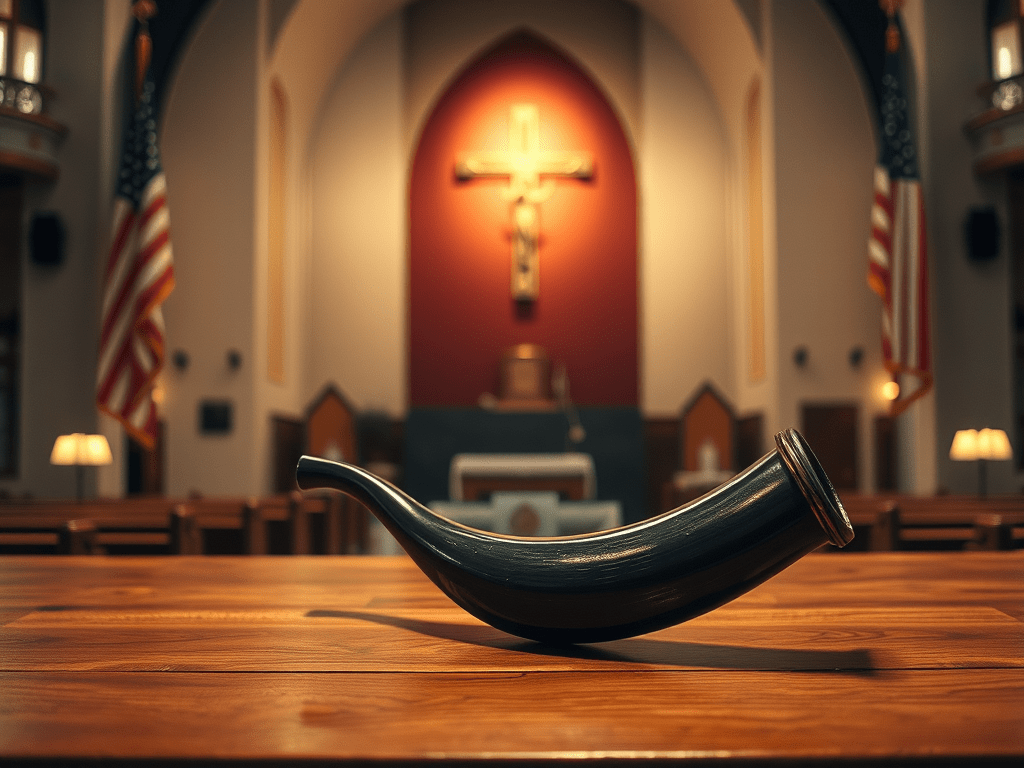
Spiritual Warfare

Between a Christian
flag and an American one
hanging lukewarm from their poles,
stands a wooden altar steadfast
as a donkey. On its blonde back rests
a spiral of ram’s horn, polished
dark and glossy. This shofar
was brought here by Pastor Shakelford
from The Promised Land.
After his fiery sermon, collective
glossolalia hum dilla hum,
praise Him, Pastor Bob’s laying on
of hands to cast out Satan,
folks filter out of their pews
into the modular addition
for coffee, punch, generic
yellow sandwich cookies.
The sanctuary settles, muffled and snug.
Us kids, the only five
in this redeemed congregation,
try to sound it, see who can call God
to our side. Nine years old, I believe
I am called to loose angels, to bind
demons, dilla hum, praise Jesus!
With the hollow horn, hot
and moist with spittle against my lips,
I sound the call. One long flat note
sends ripples through Heaven and Hell.
Amy Lee Heinlen, poet and publisher based in Western Pennsylvania, is the author of All Else Falls to Shadow (Dancing Girl Press). Her poems appear in Literary Mama, Stirring, Rogue Agent, and elsewhere. Heinlen is co-editor of Lefty Blondie Press, an independent publisher promoting poetry by women and non-binary poets.
Why Otters Are Like Flashman – a poem by Liz Kendall

Why Otters Are Like Flashman

Whiskered bravado, swift about-turn;
slink and dive into safe flowing water,
rolling with buxom tides and swells.
The slick fur clinging and covering
the unimaginable skin beneath.
Otter, all play and flash and splash.
Otter, ready and willing to fight and vanish.
Teeth and claws and rudder tail.
Flesh and fish and bones to crunch.
Blood on the grass where the kill was feasted.
Blood on the muzzle made innocent by swimming.
At ease and at leisure, stealing not earning,
never the martyr, always the magdalene,
pouring the oil until emptiness drips;
pouring the oil as a poet pours wine:
abundant, abandoned, flooding the shrine.

Warming the feet of St Cuthbert whose penance
was not the most gentle,
their canniness cherished for one thousand years
as though they had waited to do a good turn,
not to seal their reputation forever.
Watching from grasses in dunes by the shore
(the right place and time always judged to perfection)
they put themselves forwards, onwards and upwards,
(and hide when it suits; dive and go under);
and always a smile and the most wondrous whiskers
of all the wild rogues on the fair English river.


Liz Kendall works as a Shiatsu and massage practitioner and Tai Chi Qigong teacher. Her poetry has been published by Candlestick Press, The Hedgehog Poetry Press, and Mslexia. Liz’s book 'Meet Us and Eat Us: Food plants from around the world’ is co-authored with an artist and ethnobotanist. It explores biodiversity through poetry, prose, and fine art photography. Her website is https://theedgeofthewoods.uk and she is on Twitter/X and Facebook @rowansarered, and on Instagram @meetusandeatus.
Now I Wait and Meditate – a poem by Diana Woodcock

Now I Wait and Meditate


Turns out Simone (Weil) was right—
waiting for goodness and truth is
far more intense than searching.

I have waited in the desert
till the stillness became the very
evidence of the Creator,

the stillness a shrillness—
	that roar which lies on the other side
	[of silence].*

Now I wait and meditate on
our brokenness, our need to love
and be filled with compassion

so we might heal the earth
and thus ourselves. I wait
in profound silence that is

shattered by one Red Velvet mite
laying eggs in the spoiled soil,
and larvae of a Rhinocerous beetle

boring into the stem
of a dying date palm.
I wait for goodness and truth,

praying to remember, though I never
owned slaves nor stole land
from the First Nations. I wait,

listening beside unmarked
burial grounds, the stones
underfoot glistening the truth.

I wait, watching a Polar bear
jump from one melting ice floe
to another, nowhere else to go.

*George Eliot
Diana Woodcock has authored seven chapbooks and six poetry collections, most recently Heaven Underfoot (winner of the 2022 Codhill Press Pauline Uchmanowicz Poetry Award), Holy Sparks (2020 Paraclete Press Poetry Award finalist) and Facing Aridity (2020 Prism Prize for Climate Literature finalist). A three-time Pushcart Prize nominee and Best of the Net nominee, she received the 2011 Vernice Quebodeaux Pathways Poetry Prize for Women for her debut collection, Swaying on the Elephant’s Shoulders. Currently teaching at VCUarts Qatar, she holds a PhD in Creative Writing from Lancaster University, where she researched poetry’s role in the search for an environmental ethic.
VIBRANT LOVINGKINDNESS DECALOGUE+ – poetry by Gerard Sarnat
VIBRANT LOVINGKINDNESS DECALOGUE+


i. Awareness searching
in all directions, I hold
myself the dearest.

ii. Core of non-self – or’s
this more solipsistic than
true altruism?

iii. Master acrobat
and apprentice: caring for
me protects others.

iv. May all beings be
happy and healthy, secure
on the path to peace.

v. Practice compassion –
short as a finger snap, long
as eternity.

vi. No malice, no hate,
take time to appreciate
every creature.

vii. Each monsoon season’s
three-month retreat inspires
enlightenment soon.

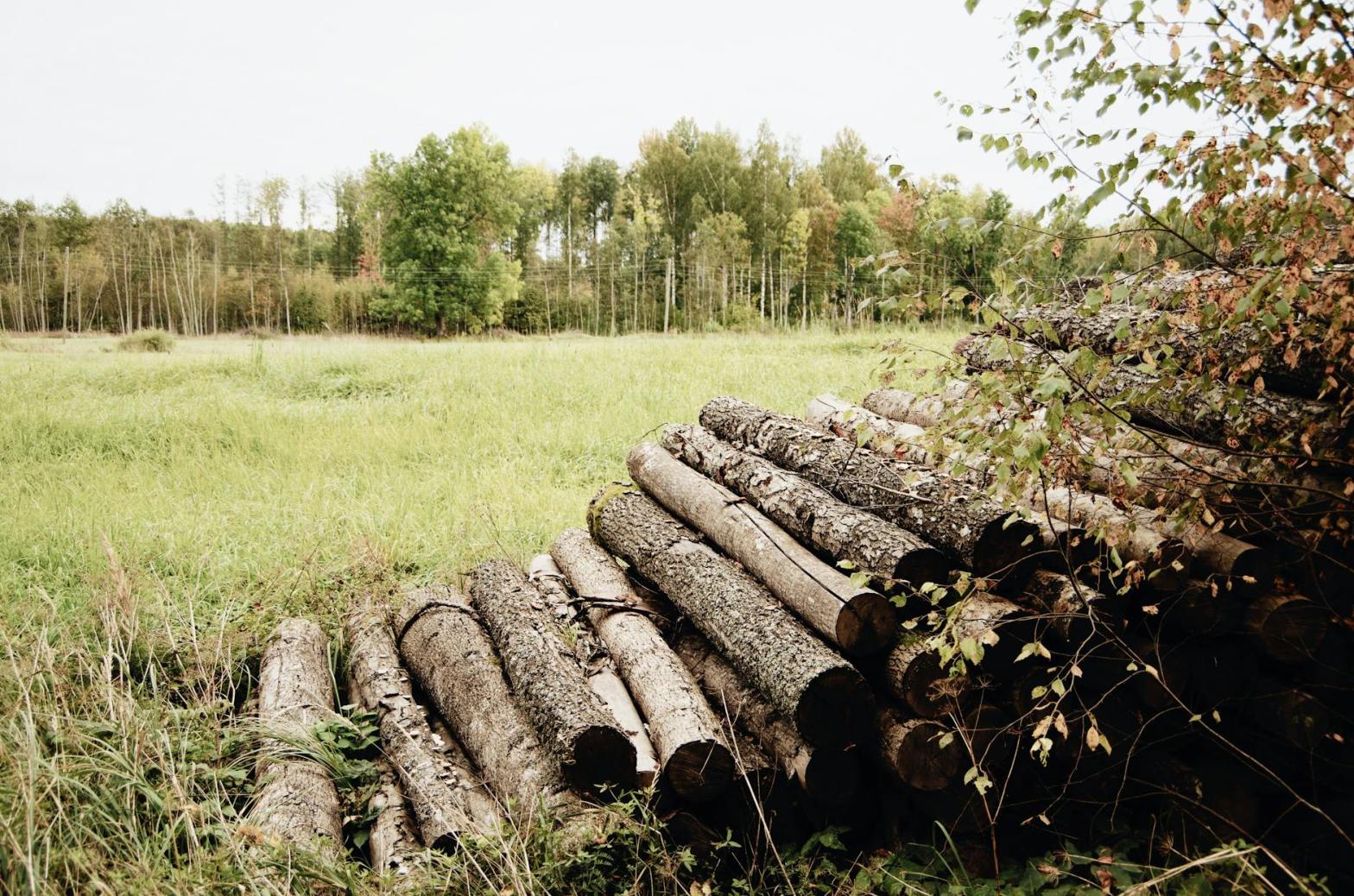
viii. Grove of verdant trees,
we sit beneath, settle deep
in liberation.

ix. Bankrupting the earth,
you and I must pay our debt
back so grandkids thrive.

x. STEM guy writes haiku
‘cause more mathematical
if less artistic.
Gerard Sarnat MD’s won San Francisco Poetry’s 2020 Contest, Poetry in Arts First Place Award/Dorfman Prizes; nominated for handfuls of 2021/previous Pushcarts/Best of Net Awards; authored HOMELESS CHRONICLES, Disputes, 17s, Melting Ice King. He’s widely published including by academic-related journals Stanford, Oberlin, Wesleyan, Johns Hopkins, Harvard, Pomona, Brown, Penn, Dartmouth, Columbia, University Chicago; Ulster, Gargoyle, MainStreetRag, Northampton Review, New Haven Poetry Institute, American Journal Poetry, Vonnegut Journal, 2020 International-Human-Rights-Art-Festival, Poetry Quarterly, New Delta Review, Buddhist Review, Brooklyn Review, LA Review, Monterey Poetry Review, San Francisco Magazine, New York Times. Mount Analogue selected KADDISH for distribution nationwide Inauguration Day.
The Fall – a poem by Mike Neighbors

The Fall

Under the vanishing shade of the trees,
I look up and gaze at the tumbling leaves;
I prick up my ears to the rustling sound
and catch them before they collide with the ground.

Then I open my fingers to see what’s inside:
still leathery smooth, but now crumbled and dry.
Streaked with some green like the day they were born –
but brown as the soil to which they’ll return.

What do I do with these bits in my hand?
Blow them up towards the sky, or bury them in the land?
Do I pray on my knees for their final salvation –
or dance on my feet for their reincarnation?
Mike Neighbors is a legal news editor from Los Angeles, California. He lives in Marina Del Rey with his wife and three cats.
Window Dressing at Broadside Bookshop – a poem by David Ram
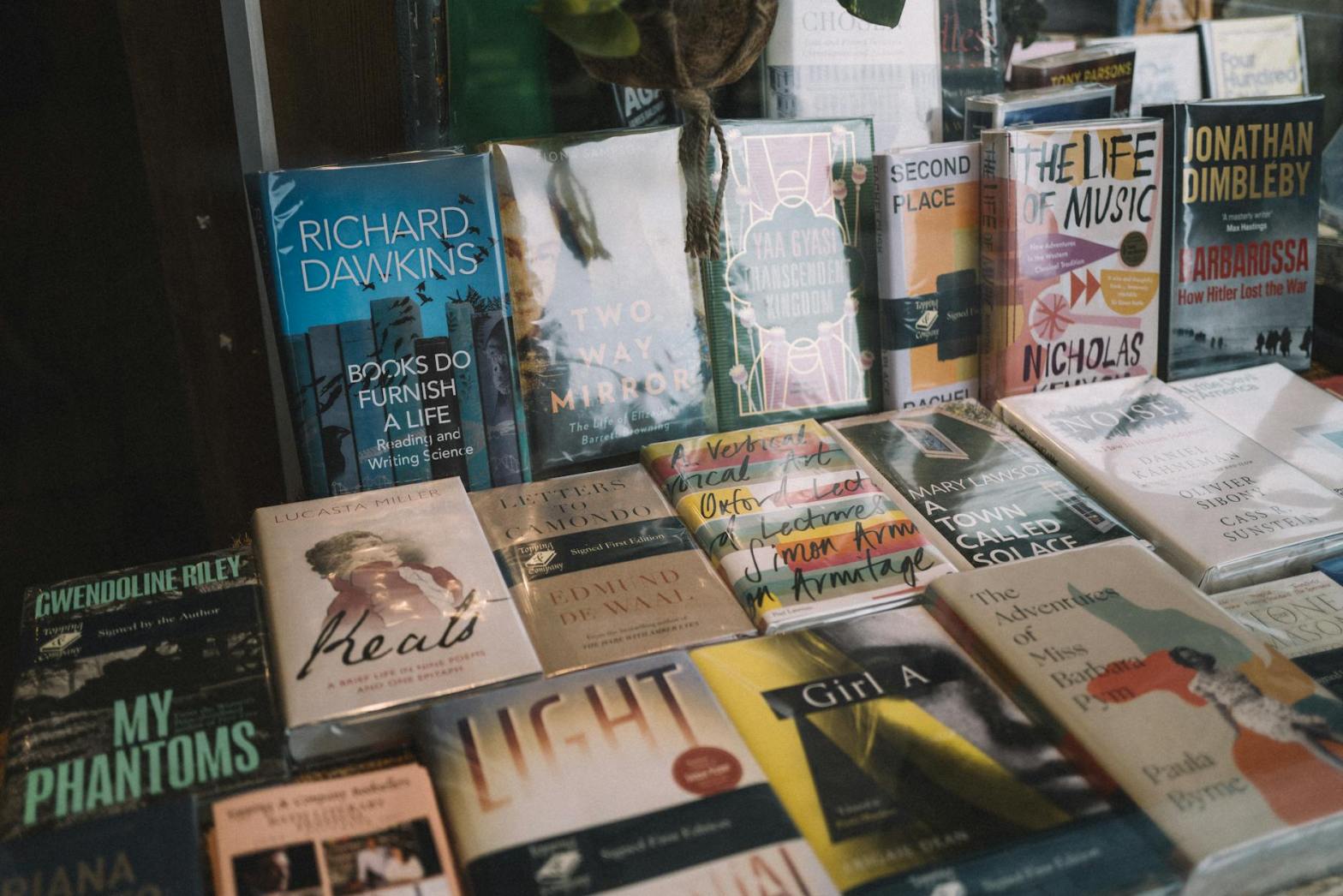
Window Dressing at Broadside Bookshop

Walking midday along a busy block
I stop to window-shop, and when I gaze
into the glass, my deceased mother’s face
returns my puzzled look.  I figure out
the store display but fail to find myself
in her confusingly mirrored movement.
As I step closer to the pane and bend
to touch the shadow, her likeness transforms
into my image.  Authors and titles
arise on terraced shelves reminding me
our perception of objects is broken
in time and space.  Around the corner, church
bells chime, so I stand upright, recompose
and smile knowingly at my reflection.
David Ram enjoys living in the Connecticut River Valley in Massachusetts. His recent poems appear in JAMA, Sport Literate, Star 82 Review, The Naugatuck River Review, and elsewhere.
The Shattering – a poem by Nancy Jentsch
The Shattering

There is a place
the shattering happens
in answer to time.
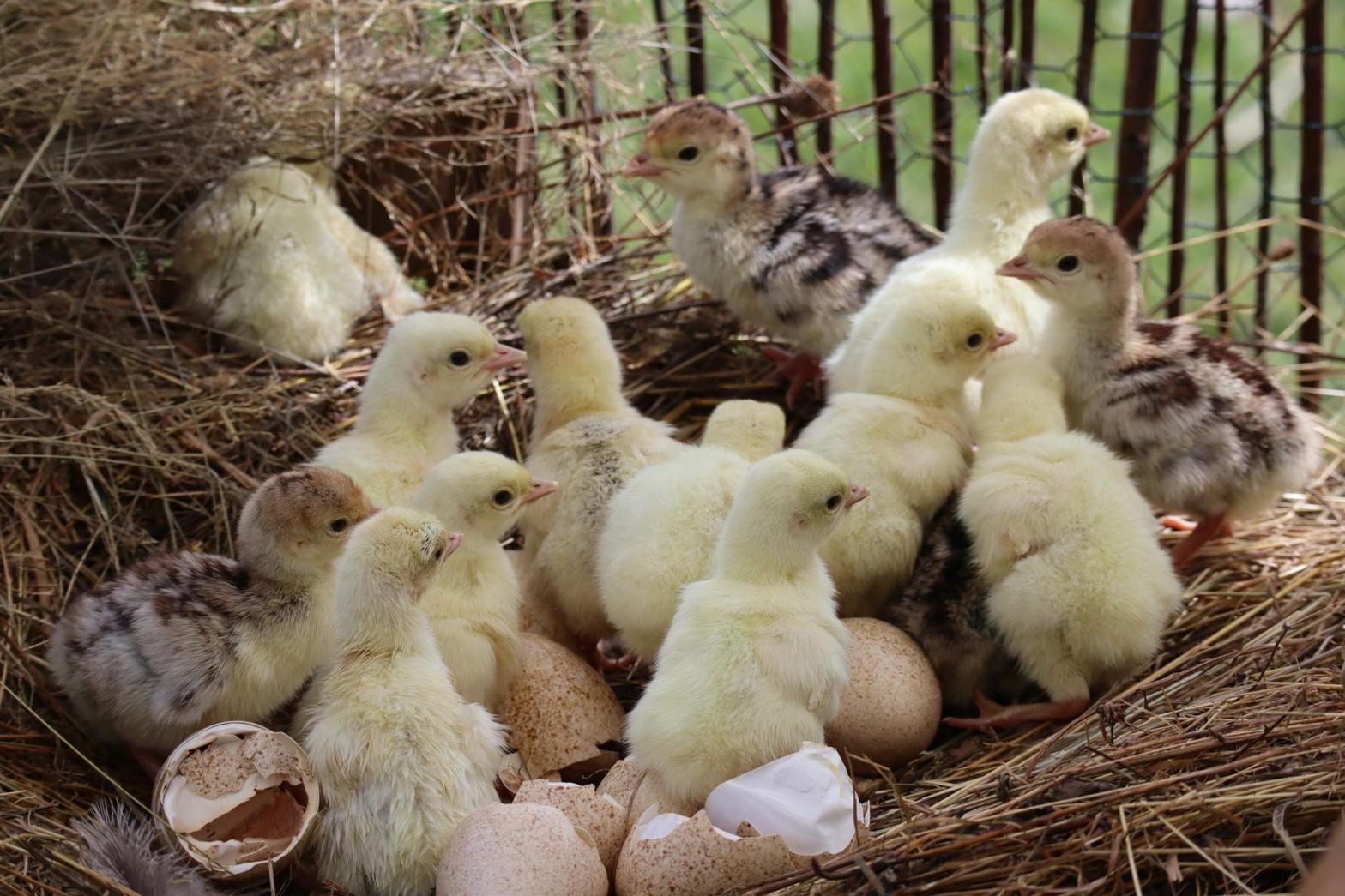
Unblemished eggs
jostle and coddled
chicks hone their
egg teeth, scarring
shells with cracks
that matter—bloodless
struggle unveils
simple oval homes
as sacred.
With chicks’ first breath
fractured shards settle,
find forgiveness.
Since beginning to write in 2008, Nancy Jentsch‘s work has appeared in journals such as Still: The Journal and Braided Way. In 2020, she received an Artist Enrichment Grant from the Kentucky Foundation for Women and the resulting collection, Between the Rows, debuted in 2022. Her current writing project involves reinvestigating genealogical information she unearthed in the pre-computer 1980s. She has retired after 37 years of teaching and finds a bounty of inspiration in her family and her rural home.
 Amethyst Review