Remembering How to Sit – a poem by Wally Swist

Remembering How to Sit

It’s always a surprise,
despite my attempt to be open
to flexibility, when you forget something
that might be overlooked as being
too simple to even consider,
such as sitting down, so when I ask you
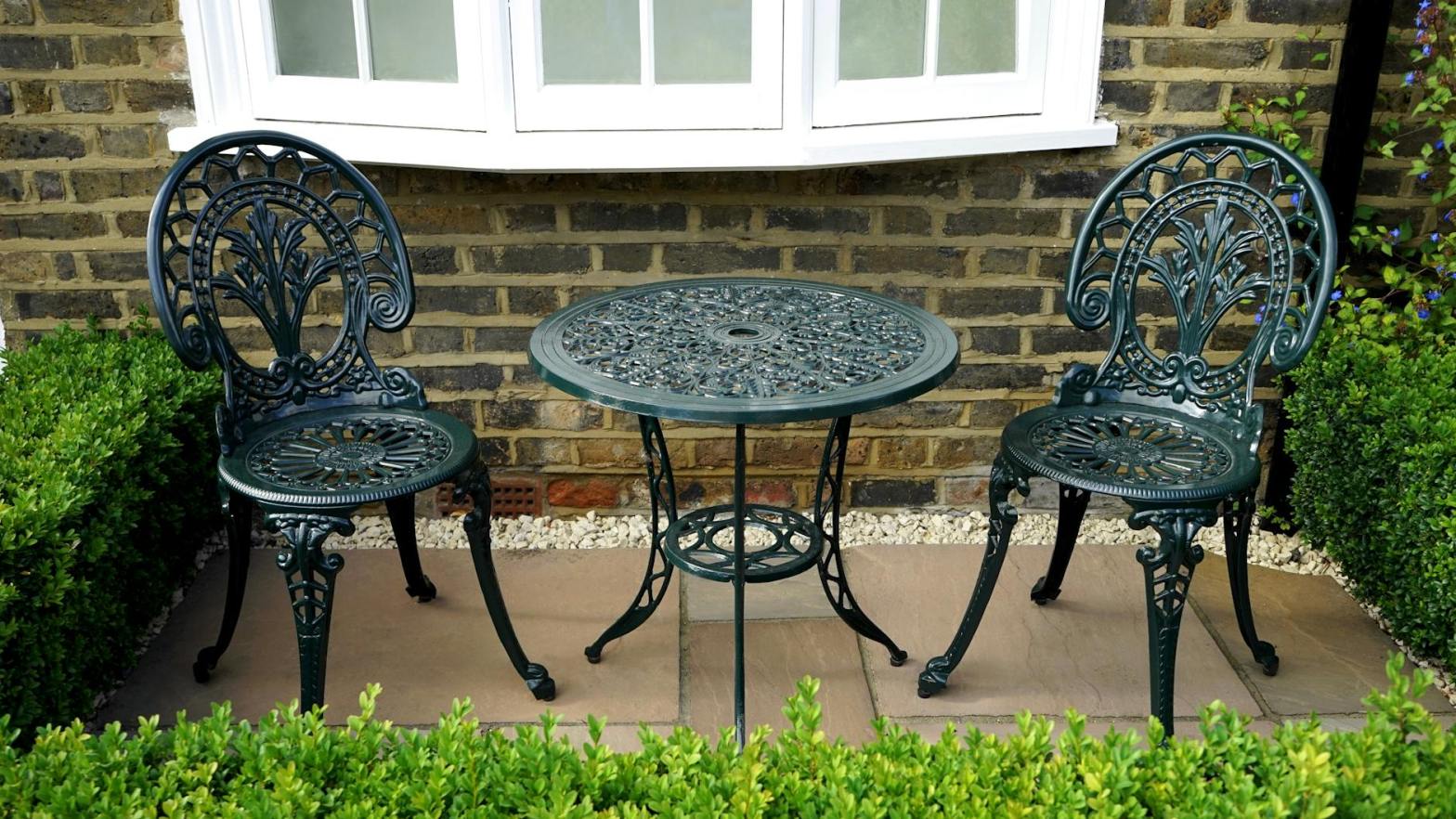
to sit on the padded seat outside

so we can enjoy the summer morning
you have forgotten what it is to sit.
Although I offer, “Just like me,”
as I try to portray how natural it is
to lower oneself into a chair or a bench
and place oneself down, in comfort,
but you take my various ways

of requesting to sit beside me
as a verbal attack, even though
I haven’t raised my voice.
You now decide to actually sit, but place
yourself down on the opposite bench,
glaring at me with pronounced mistrust.
So I decide to not convince you otherwise,

but I do open the large folio regarding
country homes around the world
and am fortunate to show you
photographs of dining room in Greece,
where I suggest we could be served
dolmas, feta, kalamatas, crusty bread,
and fresh tomatoes with olive oil

for lunch. You decide for yourself
that this interests you now, and you move
over on your own accord to sit beside me.
We go on to have a memorable and warm
exchange for the remainder of the morning.
You ease into a happiness as you rediscovered
how we are graced in our ability to sit,

how it is that we are able to relax, to
possibly imagine where we might go
in being armchair travelers, moving
from house to house over the globe,
also to further muse where we might
meet after our time here has come to
pass, where we might suppose we would

rendezvous in seeing each other again,
considering any number of suppositions,
however, intrinsically knowing that
we would try to find a hospitable place
where we would remember how to sit,
then with certainty venture to rise again
to continue our journey through immensity.

Wally Swist’s recent essays, poems, and translations have appeared in Chicago Quarterly Review, Commonweal, Helaling Muse, Illuminations, Pensive, and Your Impossible Voice. Forthcoming titles include If You’re the Dreamer, I’m the Dream: Selected Translations from The Book of Hours, from the poetry of Rainer Maria Rilke, from Finishing Line Press. Kelsay Books will publish his book, Aperture, poems regarding his wife’s struggle with Alzheimer’s, in the summer of 2025. His book Huang Po and the Dimensions of Love (Southern Illinois University Press, 2012) won the 2011 Crab Orchard Poetry Prize.
Fungus in Love – a poem by Sharon Kunde

Fungus in Love 

Moonrise geyser dissolve hillsides
in silver bubbles. Balcony goes up
in clovers of lichen, chartreuse,
then black, then cigarette grey.

We chase each other through skies littered
with pulsing red stars, gouged torsos and eyes.
Young and prone on the north Atlantic,
I smell of dead fish. Peepers choir

tiny lusts. Lunar wind rocks boats’ masts,
pluck their halyards. Exoplanets pelt us
like chocolate drops or coffee beans. I weep
oranges and eggs with blood-streaked yolks.

The city lies like a skirt of hammered brass,
studded with gas flares and powder flashes. All is lost,
you prophesy. I have scaled clouded mountains
and consulted the terrible yeti; I have spent

hearts’ hours searching. Morning’s salt
mist dims the sky. You crack
your sternum with your two hands
and out spills the city: canyadas, cypresses,

hummingbirds, ledges, termites. I weep hard,
thin-skinned avocados and pink-bellied figs.
From the balcony we watch the sun rise
one last time, eat rolls and drink coffee,

scatter crumbs to birds the size of crickets.
I will dog you to mountain clouds,
yeti’s den. You do not have to look back:
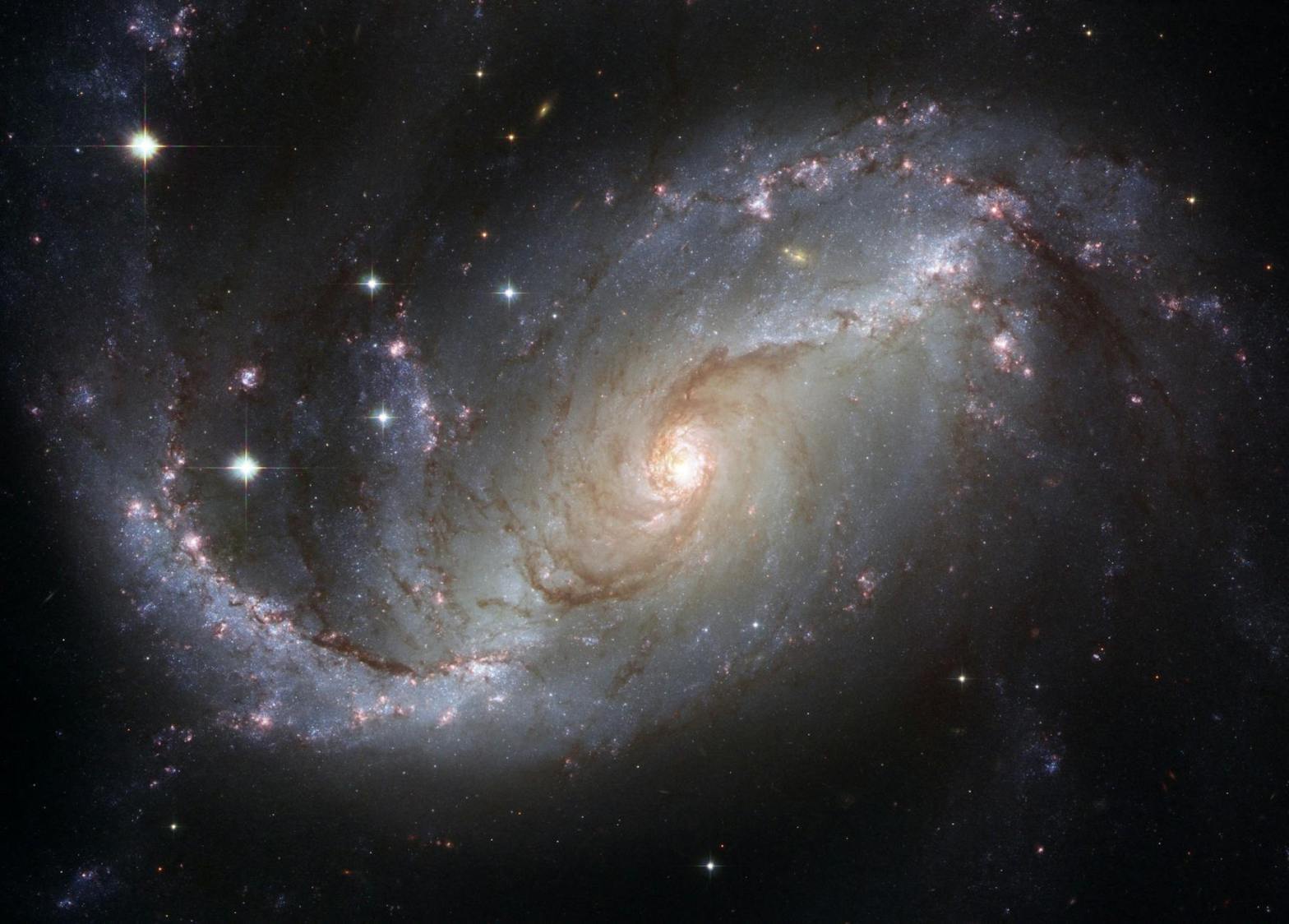
I am there, behind that spiral galaxy,

faint as the Pleiades, speck
in your eye. Planets blacken,
forests smolder for centuries, seas wink
out one by one, carbon dark. Unbearable

waves endure, bleaching beaches.
Search for me on the galaxy’s
utmost horizon. Precipitate me with gravity
and salt. Bring me caked-out crickets

snoozing between sheets of yesterday’s news.

Sharon Kunde is an Assistant Professor at the Maine College of Art and Design. Her research focuses on the racialization of representations of nature and naturalness in the context of the emergence of national literary studies. She has published work in publications including Twentieth Century Literature, the Los Angeles Review of Books, Harvard Review, ISLE, and Cincinnati Review, and her chapbook Year of the Sasquatch was published by Dancing Girl Press in 2022.

Damavand 1977 – a poem by Roxanne Doty

Damavand 1977

The way the snow drifted
then raged into a blizzard
and the roadside café,
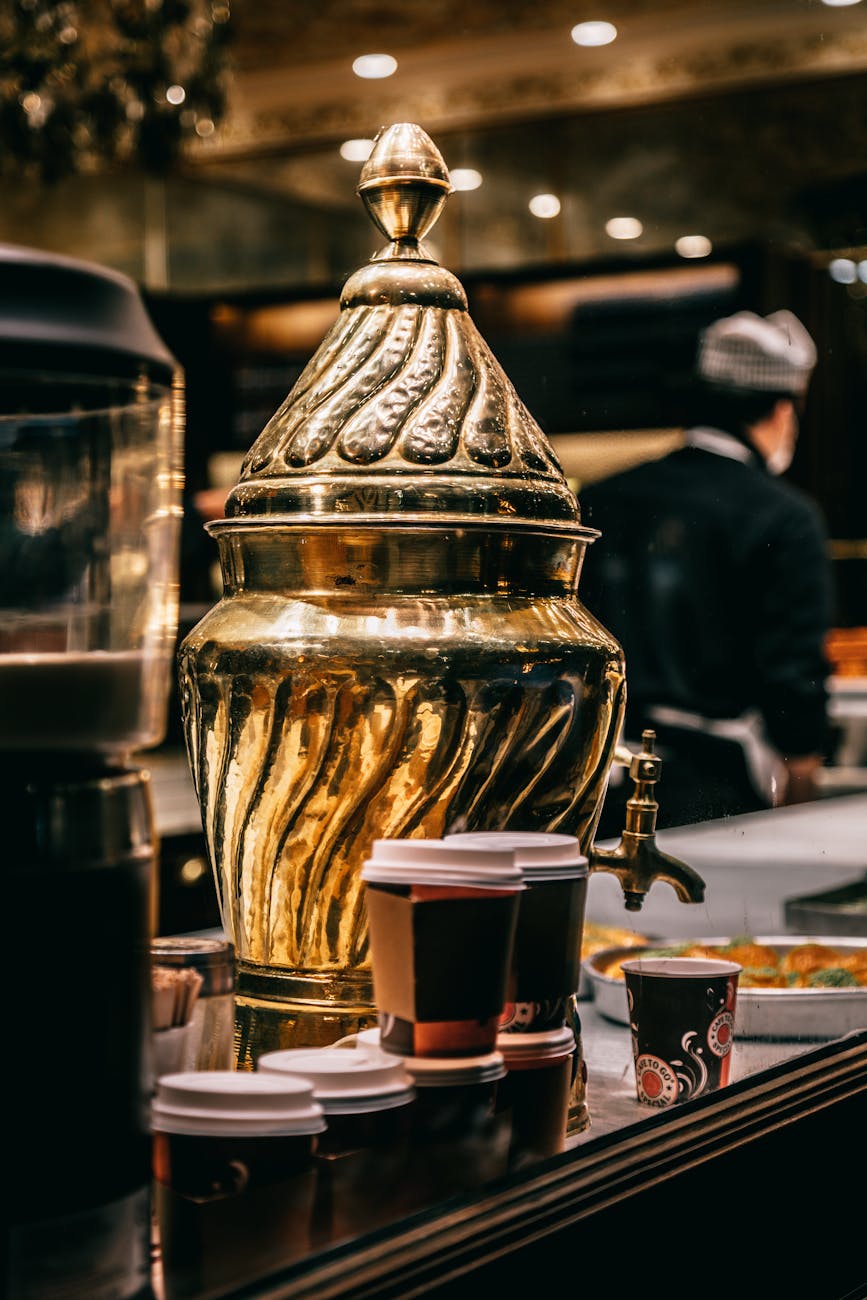
copper Samovar on the counter,
orange flames flickering
in wood-burning stove, walls
of tapestries with intricate designs,
a man behind the counter
in harem pants and dark blazer,
tea in clear glasses and Iranian brittle
with pistachios, almonds and cardamom.

The way the snow covered the earth
in layers of sparkle, buried the sins
and follies of humanity, created a sense
of significance, cohesion, harmony
and the words home and belonging
took on new meanings
as we sheltered from the storm
until it stopped and we continued
to the Alborz mountain range
where at the end of the day we stood
at the top of the highest ski trail
and waited for the slopes
around us to empty.

The way we gazed into the distance
at Mount Damavand, Persian symbol
of strength and resistance, 18,000 feet
above the ancient, troubled land
we had come to in search of ourselves
and it was just us and the pristine white
and the silence and peace and I imagined
that was what heaven might be like
if there were such a place
and an unnamable god waited for us.

Roxanne Doty lives in Tempe, Arizona. Her debut novel, Out Stealing Water, was published by Regal House Publishing, August 30. 2022. Her first poetry collection was published by Kelsay Books in the spring of 2024. She has published stories and poems in Third Wednesday, Quibble Lit, Superstition Review, Espacio Fronterizo, Ocotillo Review, Forge, I70 Review, Soundings Review, The Blue Guitar, Four Chambers Literary Magazine, Lascaux Review, Lunaris Review, Journal of Microliterature, NewVerseNews, International Times, Saranac Review, Gateway Review and Reunion-The Dallas Review. Her short story, Turbulence (Ocotillo Review) was nominated for the 2019 Pushcart prize for short fiction.

Banishment – a poem by Clive Donovan

Banishment

Hand in hand they wandered,
seeking a door.
They had been told to leave the garden
and brightly fierce was the angel's desolate sword
reflecting naked sorrow.

Not knowing ought else better to do,
they followed simple tracks laid by animals,
which led from water-holes to fruit trees
and yet fruit tasted musty and sour
and leaves and roots were bitter now and water flat.

Night carnage fell down the valleys, so dour,
and crags loomed large and stones hurt their feet,
yet still could they never find Eden's exit gate,
as they had been instructed to do.
So still they stumble, blinkered, hand in hand, in paradise.


Clive Donovan has three poetry collections, The Taste of Glass [Cinnamon Press 2021], Wound Up With Love [Lapwing 2022] and Movement of People [Dempsey&Windle 2024] and is published in a wide variety of magazines including Acumen, Agenda, Amethyst Review, Crannog, Popshot, Prole and Stand. He lives in Totnes, Devon, UK. He was a Pushcart and Forward Prize nominee for 2022’s best individual poems.

Night Skating – a poem by Cynthia Pitman

Night Skating

I slip out at night
and take my soul skating
on the frozen lake,
carving cryptic glyphs into the ice
that tell the stories of the angels.
Opening my arms
and tilting back my head,
I gaze at the stars
that reflect their shine upon the ice.
I spin on one leg,
boring flumes into the ice
that spew effervescent spumes
into the sky.
I watch as the foam transforms
into white-winged angels.
Together we dance on diamonds
of reflected stars.
They then spread their wings
and fly high to the sky.
I circle the lake,
then stop and pull off my skates.
I take one last look at the sky,
then walk home
through newly falling snow
that lands on my shoulders,
light, like angel feathers.

Cynthia Pitman from Orlando, Florida is the author of three poetry collections: The White Room, Blood Orange, and Breathe (Aldrich Press, Kelsay Books). Her work has been published in Vita Brevis anthologies Pain and Renewal, Brought to Sight & Swept Away, Nothing Divine Dies, What is All This Sweet Work?, in journals Amethyst Review, The Ekphrastic Review, Third Wednesday (One Sentence Poem finalist), Saw Palm: Florida Literature and Art (Pushcart Prize fiction nominee), Red Fez (Story of the Week) and others.

Winter Labyrinth – a poem by Lizzie Ballagher

Winter Labyrinth 
-in the garden of St Rafaela Mary’s, Pennsylvania

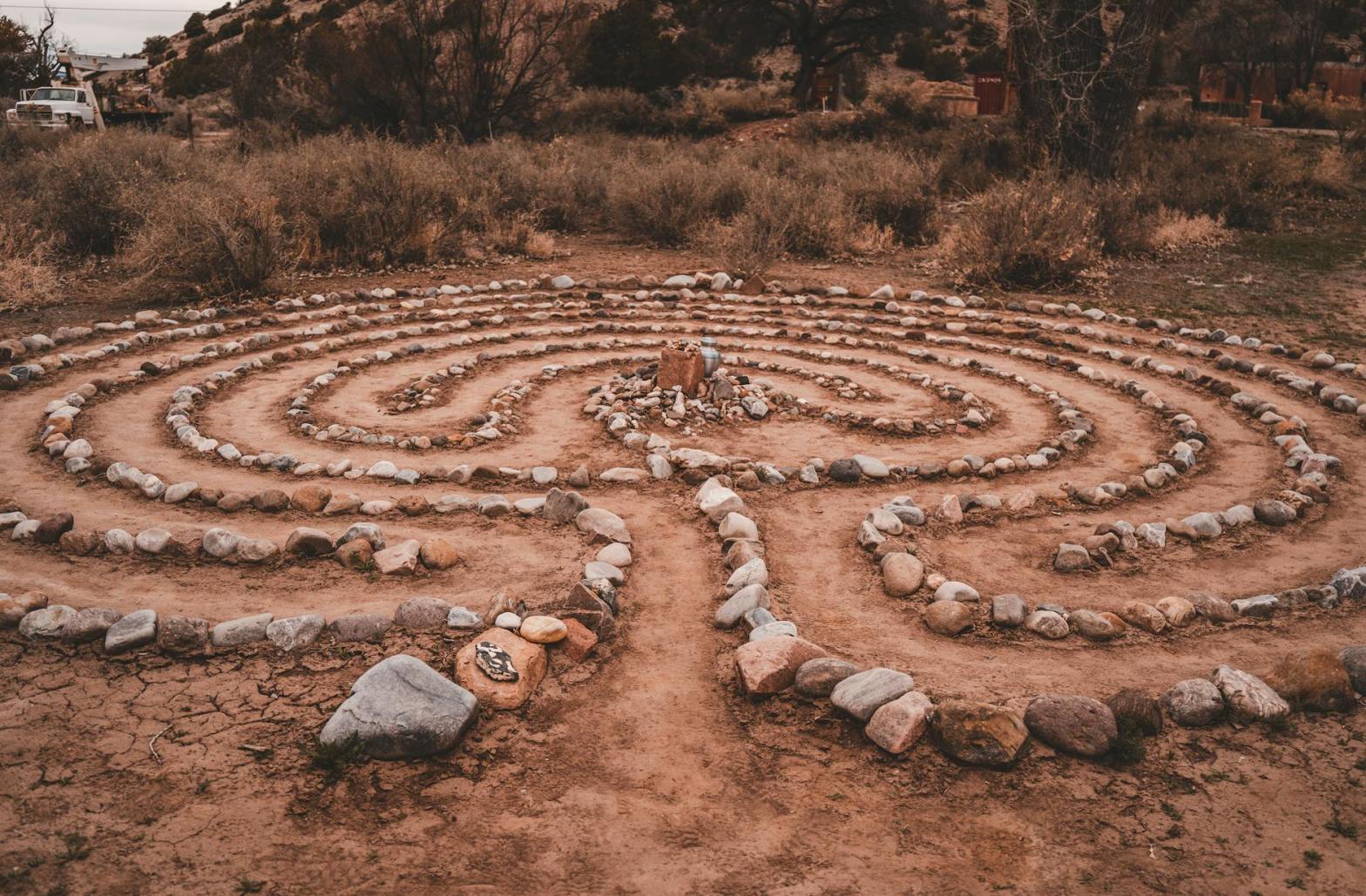
Slow turns of a labyrinth
over chips of marble, quartz & sandstone:
the outer curve is all a clamour;
the next & the next a strange dwindling down
to quiet easement—a new rhythm.

Below, on sand, the pearl perfection
of ridged shells—scoops of baptism—
sprung open to God’s sky, receiving
the washing, washing of His rain—
His reign.

I am come to this moment, this sole time—
this soul time—to where I loosen
clenched fingers, clamped jaws,
the tongue pushed tight against my teeth ...
to where I let weight seep away: in slow steps

shed heaviness, unwind the hard coils
of my heart … just as the beech above me
has let all its leaves to loam;
and as water at the centre
lets even loss itself drain down.

Drawn by gravity as fierce as lunar pull,
thin rivulets here run to ground
as if from Moses’ stricken stone—
the granite from which unlooked for mercy wells.
This rock stands steadfast at the centre—

simply—dwells …

note: This poem honours the creative work of the nuns who built it at their convent, St Rafaela’s Center, in Haverford, Pennsylvania. 

One of the winners in Ireland’s 2024 Fingal Poetry Festival Competition and in 2022’s Poetry on the Lake, Lizzie Ballagher focuses on landscapes, both psychological and natural. She was a Pushcart nominee in 2018. Having studied in England, Ireland, and the USA, she worked in education and publishing. Her poems have appeared in print and online in all corners of the English-speaking world. Find her blog at https://lizzieballagherpoetry.wordpress.com/

The Gentle Art of Beseeching – a poem by Kale Hensley

The Gentle Art of Beseeching

O’ the rain longs to rust, to cling, to age
the same as the sun. What a pleasure to press
oneself as freckles, to run rampant upon
an unsuspecting cheek. Hours spent fumbling
for syllables begins to look silly. I do not
need a world that is easy to please, but I would
prefer it wet, and blue. I desire a lens un-
easily forgotten; some shade older than knowing,
the yolk of a holy egg, that tone I wore
when I lived in a land of churches hesitant. Enter,
but please cover your hair. Pull the scarf
from a box older than you are. I bound myself in
lace, oh blue, fashioned my palms how
they told me to. Up there, someone must know
how to stifle a soul that seeks to pool
around the ankles. So I ask and do not hear back.

Kale Hensley is a West Virginian by birth and a poet by faith. You can keep up with them at kalehens.com.

Northern Lights in Winter – a poem by Mary Winslow

Northern Lights in Winter

Every time I think of departure, I wonder why those
are such exhausted and weathered thoughts.

They are the northern lights as the sky is bleached out green
this is what it looks like when souls go looking for erasure

when the absurdity of continuing is too bright, life pours out its gaudy,
but what of that pale ending? God says this is the color of oblivion.

The northern lights arrive screaming their color as God says, “Flame, flame up!"
To say, "All of life is suffering, thus, the world's pain makes sheets of color."

In other words, without a body, without earth, pain's distilled to color's joy.
Northern lights are one last entreaty to remain audience embodied to witness.

Look up at the edge of winter, see something lovely as spring burst forth
into sky flowers to celebrate the pain of life in darkness.

Mary Winslow has taught writing at colleges and universities throughout the US. Her poems have appeared in Sparks of Calliope, The Clayjar Review, The Road Not Taken, the Antigonish Review, The Avocet: Journal of Nature Poetry, and many other journals and magazines. She is the author of one chapbook, The Dungeness Crabs at Dusk, (Log Dog Press, 2017) and the editor of a full-length poetry collection, Dea Tacita, (Log Dog Press, 2017) written by poet Jeff Stier. She lives on the Olympic Peninsula in Washington State.

After Nightfall – a poem by Daniel Klawitter

After Nightfall

Writer’s block is another name for writer’s dread.
—Barbara Kingsolver


The birds were weeping in the rotunda
While the statues grew wings in the moonlight.
If only St. Columba could see me now—
Staring into the proverbial abyss
Trying to discern the lines I should write
Or sing in the park on this incorporeal evening.
I must insist: my insistence was misplaced.
For what have I learned on this lark?
That to be bereaved is not to be bereft.
And eventually, the words will be received:
They will arrive as if they had never left.

Daniel Klawitter is a member of The Colorado Poets Center, the lead singer/lyricist for the indie rock band Mining for Rain, and an Admissions Counselor at the Iliff School of Theology in Denver. His last full-length book, Where Sunday Used to Be: New and Selected Poems (Wipf and Stock, 2022), won the 2023 Colorado Author’s League Book Award for Poetry.

One Symphony – a poem by Michelle D Farrell

One Symphony

If the wind is like the moving
breath in our bodies,
the rain our gushing blood
bringing oxygen & nutrients
across continents of organs
If the underground mycelium
are like star and neural
networks seen through
telescopes & microscopes –
- we are an organism in an organism,
and that encasing goes in and in
like nesting dolls
and out & out as cosmic ripples
- we are part of this
If you astral travel with airborne
sight or cameras looking down
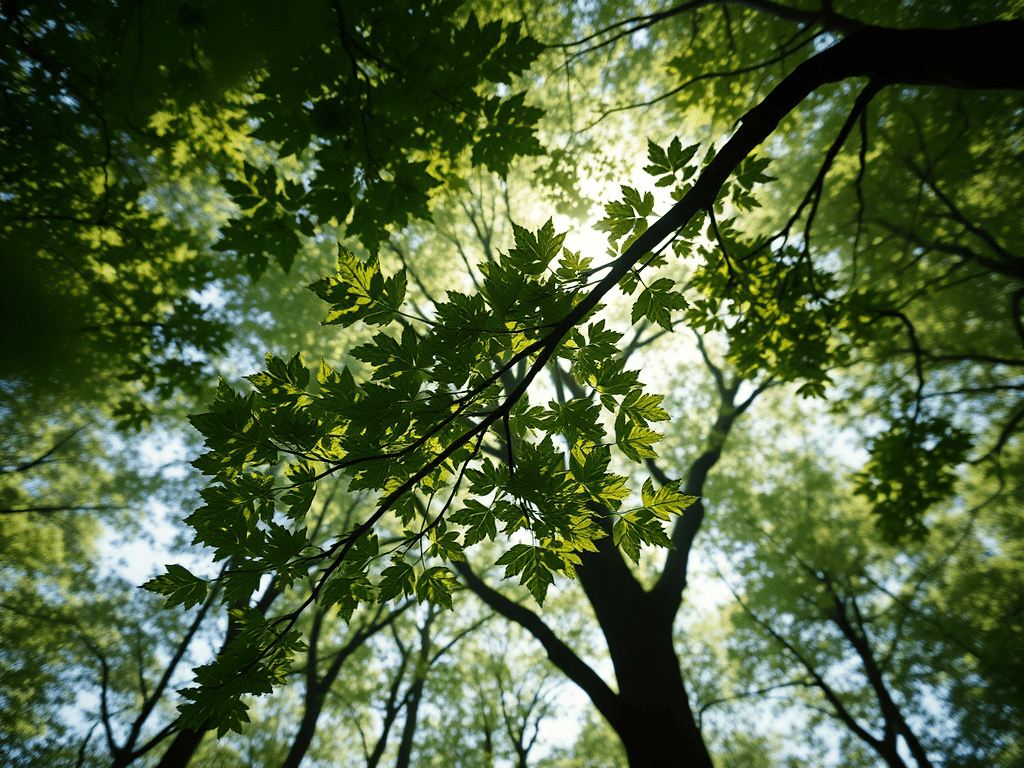
to treetops pulsating by wind
can you sense our smallness,
an unbroken living wholeness,
- inside and out?


Michelle D Farrell is a visual artist, writer and poet. Her art is held in collections internationally and she has also begun sharing her writing. Recently her short form poetry and haiga have been published, or are forthcoming, in the Wales Haiku Journal, the Cherita, and Contemporary Haibun online.