Daffodils and Grief – a poem by Nancy Jentsch

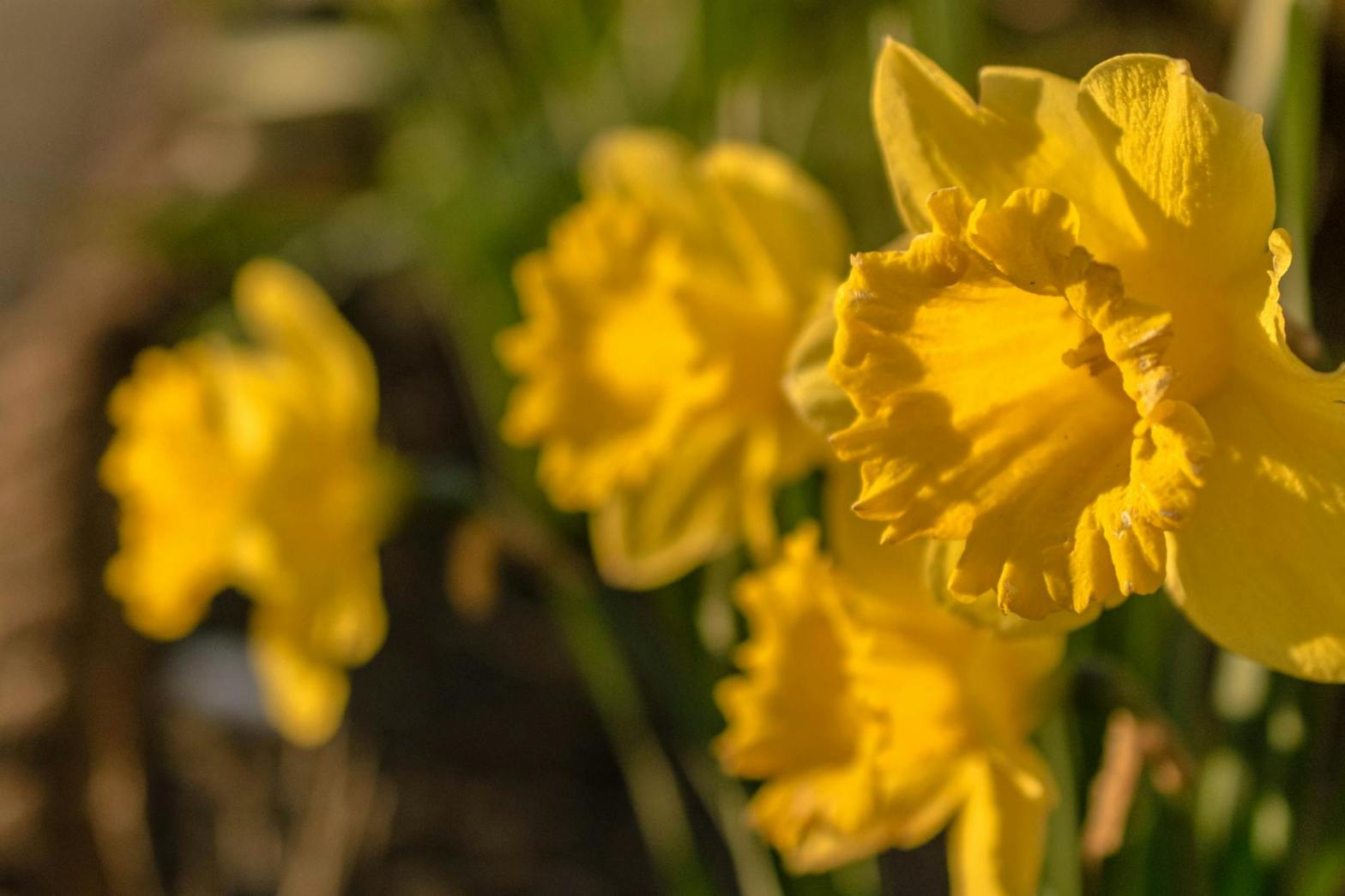
Daffodils and Grief

In our snow-globe spring
daffodils cower—face to ground,
trumpets muted, stems brittle—
eager for equinox
and to dance
fancy as music-box ballerinas
in sun’s ballroom.

We too turn from grief—
our poses frozen,
voices pale, nearly broken—
forage for warmth to bathe
blankened faces, then wait,
wait to unfold—limber
again— in the wind of days.

Since beginning to write in 2008, Nancy Jentsch‘s work has appeared in journals such as Still: The Journal and Braided Way. In 2020, she received an Artist Enrichment Grant from the Kentucky Foundation for Women and the resulting collection, Between the Rows, debuted in 2022. Her current writing project involves reinvestigating genealogical information she unearthed in the pre-computer 1980s. She has retired after 37 years of teaching and finds a bounty of inspiration in her family and her rural home.

Before – a poem by Daniel Thomas

Before


Before we stare at screens,
blanch before mirrors, don
our dazzling armor, before
we shield our eyes from those
who unloose their searching glance,
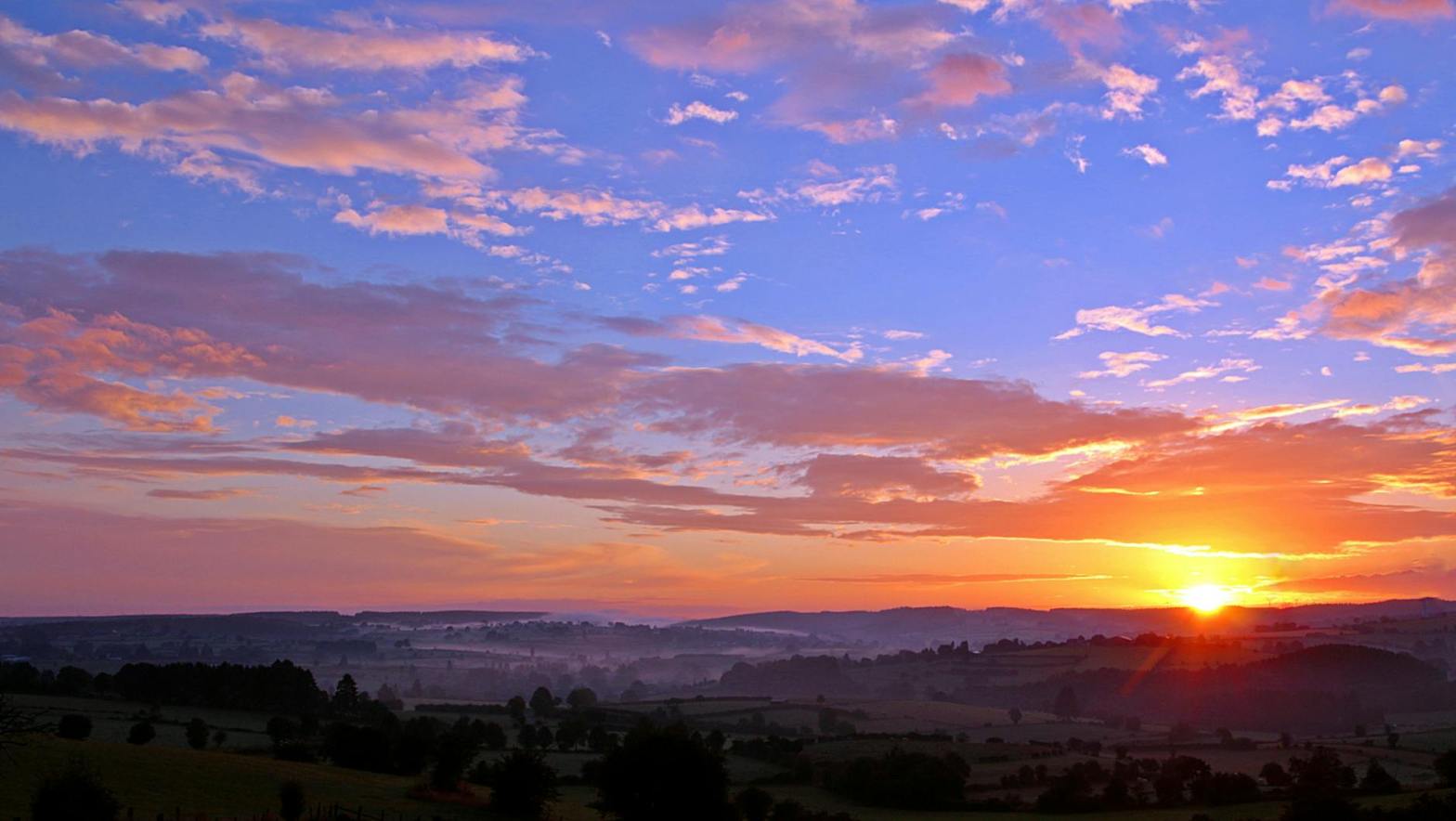
before night comes again
to drown us in doubt, morning
arrives, as it seems it will forever
arrive, slowly, patiently—
it wakes the sparrows and jays,
turns off streetlights,
opens us, like curtains
blowsy with light, into red
skies, asphalt avenues,
the blossoming before the dying
and the blossoming after the dying
in every open patch of earth.

Daniel Thomas’s second poetry book, Leaving the Base Camp at Dawn was published by Cherry Groves Collections in 2022. His first collection, Deep Pockets was published by St. Julian Press in 2018. He has published poems in many journals, including Southern Poetry Review, Nimrod, Poetry Ireland Review, Belmont Story Review, Amethyst Review, Still Point Arts Quarterly, Atlanta Review, and others. More info at danielthomaspoetry.com.

Hummingbird – a poem by Meg Freer

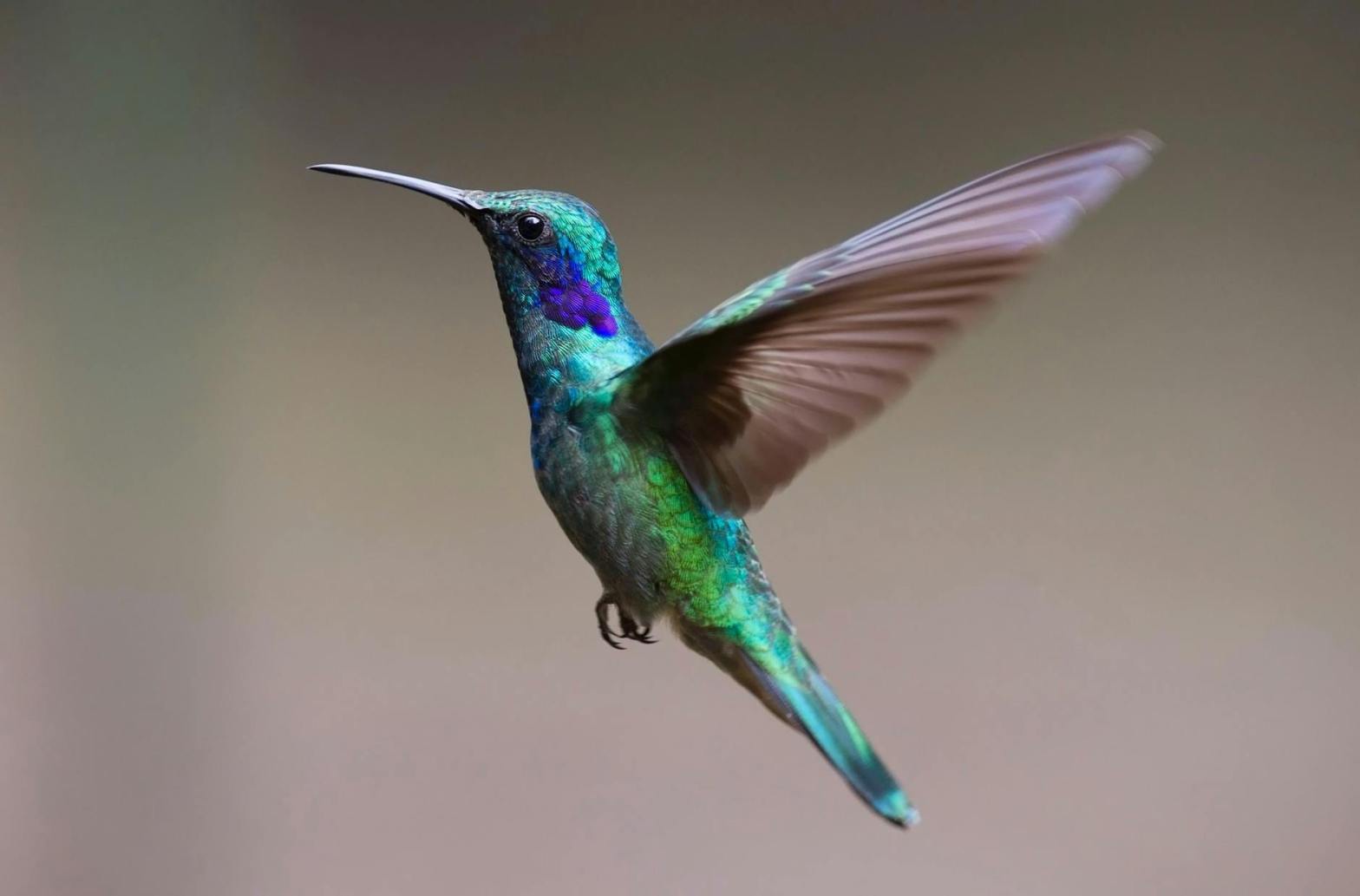
Hummingbird

Attracted by flowers left in the church
after a wedding, unable to find its way out
though all doors are open, the hummingbird
zips around the large, high-ceilinged space, distracts us
from the service even more than the summer heat.

I worry about it all week, find out next Sunday
that someone thought to move the flowers
to the main doors and it flew to freedom.
If only we could sip the saving grace
of the divine with such ease.

Meg Freer grew up in the 1970s in Missoula, Montana and now lives in Kingston, Ontario where she teaches piano, writes, and enjoys being active outdoors. She writes mostly lyrical poems, which have won awards and have been published across North America. She has published three poetry chapbooks and co-hosts a monthly series featuring poetry performed simultaneously with live improvised music.

Dream – a poem by Katrinka Moore

Dream 

of a pure — something —
so clear it barely casts
a shadow Scarcely
wavers when a wind
picks up Like spring
water caught in cupped
hands — see the lines
of the palms slight gaps
between fingers opening
to the shining stream
beneath

Katrinka Moore is the author of five poetry books, most recently Diminuendo (Pelekinesis, 2022). Her poems and artwork appear in Terrain.org, Otoliths, Utriculi, Cold Mountain Review, Wild Roof Journal, Woven Tale, and SWWIM, among other journals. She lives in the northern Catskills in New York state and is a longtime Tai Chi practitioner.

In the Fairweather Mountains, Three Ways to Say Farewell – a Creative Nonfiction Triptych by Kory Wells


In the Fairweather Mountains, Three Ways to Say Farewell
–Glacier Bay National Park, Alaska

-1-
Bundled against the cold dawn, I stand on the ship’s weather deck and consider the bay’s water—at this moment frictionless, opaque, vast. Who could look into this turquoise magnet and not think of jumping? I could grip the deck's chest-high rail and toe the lowest one, the soles of my shoes slipping a bit on the wet shine. I could convince myself it’s a stepladder, you’re only hanging curtains or changing a lightbulb, then climb—one, two, three rungs—swing a leg over the top, in my ears my pulse a thump thump thump of pain and shame and hope. Both legs over now, I would clutch the rail and offer a litany of sorrows. Failures. Apologies to my loves. I flex my knees, consider the physics. I don’t want to simply let go. I must push myself away, arc as far from the ship as my booted, parka-clad body can manage. Point my toes. Think smooth. Oneness. Gratitude. Pray the shock of cold would take my consciousness before the icy teal reached my lungs. They say a person can survive seven minutes in these waters. Once, I wanted to know how they know that. Now I think it wouldn’t take that long. If ever the cancer or chemo or pain; if ever my trembling became too much. I’d book a cruise to Alaska and never come back.

-2-
The park rangers come to us before breakfast, in a little boat that bumps against our mammoth one, through fog and frigid waters, the wind roughing their lips and cheeks. They climb aboard on a rope ladder. We are snug in our cabins and do not see. But soon we hear them, stationed around the ship, on its public address, telling us about the bay, the mountains, the glaciers. From our balcony I think I recognize: a lumbering boulder of brown bear on the shore, sea lions sunning shoulder to shoulder like tourists on a crowded beach, a distant humpback whale. When the sun comes out, I cry for the beauty—gray mountains and rocks, a sparkling azure sky, white and aqua ice, otters swimming near the ship, one hitchhiking on a chunk of ice. Later, we gather on the bow to eat pea soup, and even the crew comes out to blink at the brilliance—so rare, they say. I think I am learning: glacial silt, phytoplankton, privilege. But when the ship comes close to the glacier and I hear it rumble and calve, mighty pieces of itself crashing to the water, I finally understand: ancient, holy, separation. Earth, the great maternal beast.

-3-
One of the park rangers says her mom is none too fond of the process, so when it’s time for them to disembark the ship, I am there, representing worried mothers everywhere. On the blustery starboard promenade a few of us gather to watch a small boat, slightly more substantial than a piece of driftwood, motor closer and closer, matching the ship’s speed, until it bumps the hull and steadies enough to tether. A controlled crash, the ranger explained earlier. After several attempts, each of which could be a James Bond action scene, the boat is secure—a relative term. Now, far below us, the rangers one by one descend a rope ladder from the ship’s yawning cargo door. For breathless moments they disappear, then reappear and pause on the lowest rung. There each one dangles, a human windchime, watching the boat below thrash and pitch, waiting for the right moment to drop to its drenched deck. I’m gratified to see their footwear seems sturdy and skid resistant, yet I wince when each lets go. But then they are safe, looking up at us, waving, smiling, victorious. After six rangers, identically clad in orange rain suits, are accounted for, unseen hands toss down duffel after duffel—park merchandise, educational materials, the gear one needs in the Alaskan wilderness. Finally the boat breaks away from the ship and cuts across the bay. Our small group lets out a cheer worthy of the World Series, or better yet, a local Little League game. And the rangers wave, and we wave, and it is a triumph of planning and procedures and the prayers of mothers everywhere, to see them safely become a little dot on the horizon. To know that to someone else they are growing larger. They are coming home.

Kory Wells nurtures connection and community through writing, storytelling, and arts initiatives in and beyond the American South. She is author of two poetry collections, most recently Sugar Fix from Terrapin Books. Her writing has been featured on The Slowdown podcast from American Public Media, won Blue Earth Review’s 2023 Flash Creative Nonfiction Contest, and appears in numerous publications. A former poet laureate of Murfreesboro, Tennessee, she directs a local reading and open mic series and works with the from-home creative writing program MTSU Write.

Questions for St. Augustine I – a poem by Pramod Lad

Questions for St. Augustine I

Is not the prayer requesting aid,
That part of me imbued in need,
Empty of your presence which fills heaven and earth,
But leaves my private nook neglected? And if you are
All present as in this pitcher of milk filled to the brim,
Ready to flow, are you not the thirst
That longs and waits?

Pramod Lad was born in India, educated at King’s College UK , and completed his Ph.D. in Biophysical Chemistry at Cornell University. He was a scientist at the National Institutes of Health. His poems have been accepted in The Examined Life Journal, Right finger pointing, Omentum, Eclectica magazine, The Innisfree poetry journal, The Umbrella Factory, The Pulsebeat Poetry Journal , Pennine Platform, and Litbreak Magazine.

Wearing my apron – a poem by Amelia Díaz Ettinger

Wearing my apron

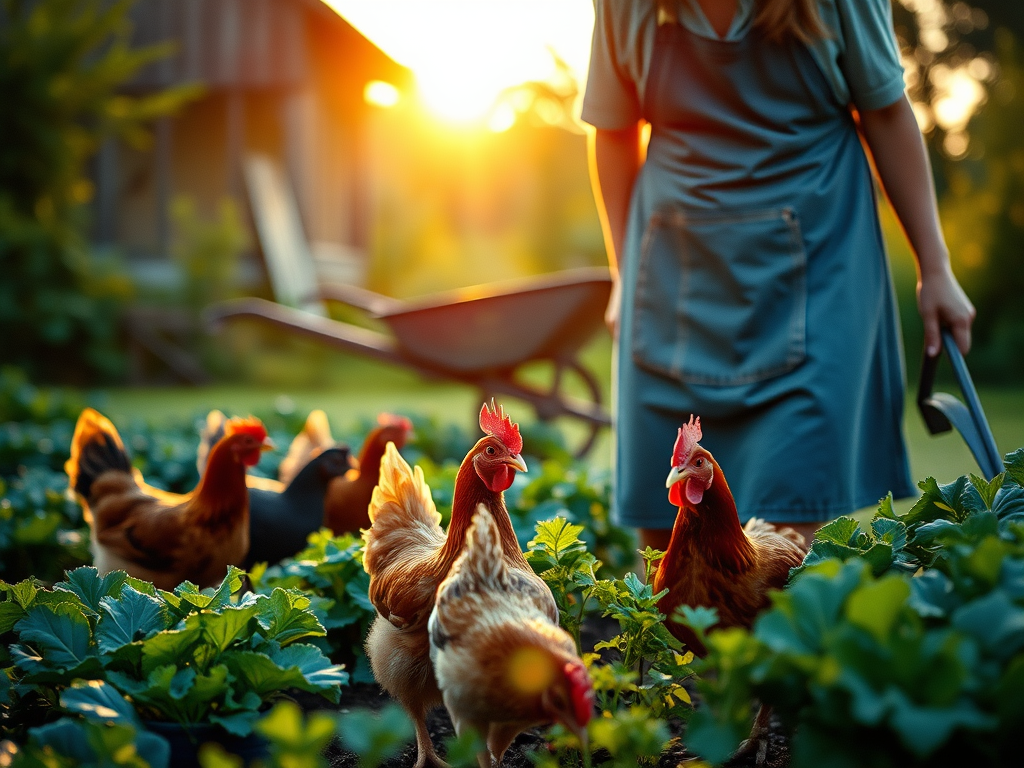
as i weed my vegetable garden
the air has cooled and the sun has faded

my chickens cluck near
waiting for a green morsel—weeds

i watch their heads bob as they walk
and a bubble of a smile pulls me away

from weeds, they stay on roots
of kale, carrots, and earthworms

the chickens’ song, that is somehow
reserved for the wheelbarrow,

like it, rusted, with holes as big as my fists
those are the moments

while wearing a worn blue apron
that i know the only thing that counts,

if only briefly,
—is joy

Amelia Díaz Ettinger is a Latinx BIPOC poet and writer. Amelia’s poetry and short stories have been published in anthologies, literary magazines, and periodicals. She has an MS in Biology and MFA in creative writing. Her literary work is a marriage of science and her experience as an immigrant. Presently, she resides in Eastern Oregon.

we stand in still waters facing the far shore – a poem by Jacob Friesenhahn

we stand in still waters facing the far shore

a river does not always
flood at her narrow
curve but banks burst
where reeds bend
trusting the wind
where soft mud licks
edges slick

a bridge does not always
collapse from rusted beams
tension is sewn into every seam
do not be fooled
by the rivets’ gleam
iron can hide her fatigue
even as she shines

a bone does not always
break where the ache
has settled
but sometimes where sinews
sing of strength

my heart might fracture
in the center of our embrace
in the clasp of our hands
where our chests come together
where warmth feels forever
and I believe

Jacob Friesenhahn teaches Religious Studies and Philosophy at Our Lady of the Lake University in San Antonio. He serves as Program Head for Theology and Spiritual Action. His first book of poems is forthcoming from Kelsay Books.

Pilgrimage- a poem by Laura Trimble

Pilgrimage

How to pass through the ordinary
neighborhoods of local life
as one already on the way
that is the question — like the one
who getting onto the highway, bound
hours down the road, passes
with some surprise the usual exits
that otherwise lead to the routine
his heart so many miles ahead
that every mile is consecrated
to the destination. What
makes it a pilgrimage besides
intention? What makes the difference
when a door to eternity falls ajar
to let a loved one through, betraying
this supposed room to be
a hallway? And will we ever hereafter
in the draught feel it any other way?

A resident of Portland, Oregon, Laura Trimble taught literature for six years and now homeschools her three sons. Her poetry and prose has been published by Ekstasis, Plough, the Rabbit Room, Calla Press, and Storyboard, as well as in several anthologies, and appears on Instagram at @trimblepoetry.