When you travel, you find yourself
Alone in a different way,
More attentive now
To the self you bring along,
Your more subtle eye watching.
You abroad; and how what meets you
Touches that part of the heart
That lies low at home:
—John O’Donohue
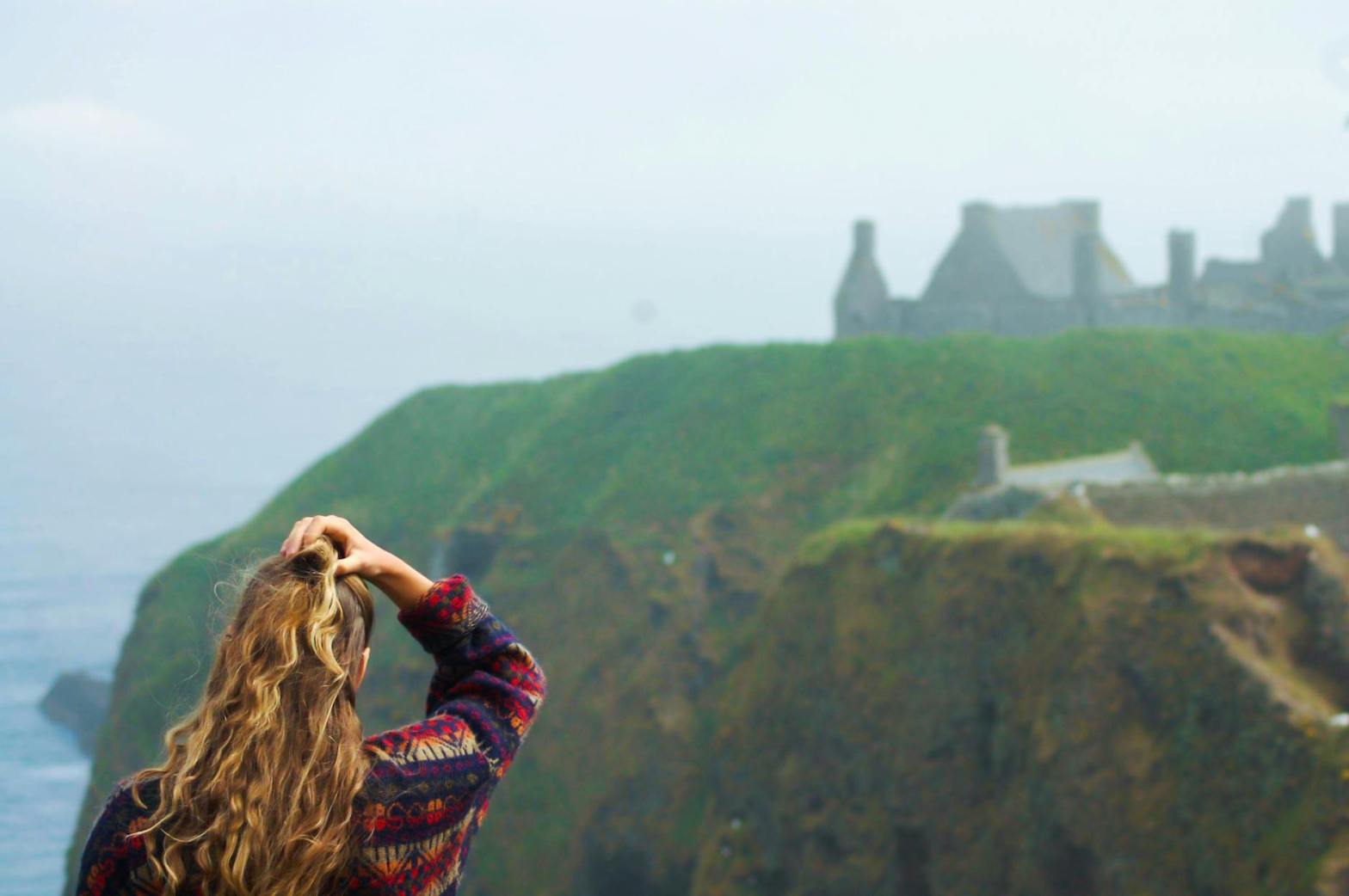
Tucked between jagged grey rocks and emerald hills, Coumeenoole Beach is desolate. Limestone cliffs extend their bony fingers into the sea, stirring up white caps. If I close my eyes, it feels as if the wind is trying to blow me off the very edge of Europe. Here on Ireland’s Dingle Peninsula, the Atlantic is ferocious this morning, the Blasket isles, mere shadows in the fog.
Head bent down like the biblical widow searching for a lost coin, I scour the sand for treasures, eventually dropping a few stones into my coat pocket. Olive-colored with tiny ridges, the stones are not showy, but precious enough.
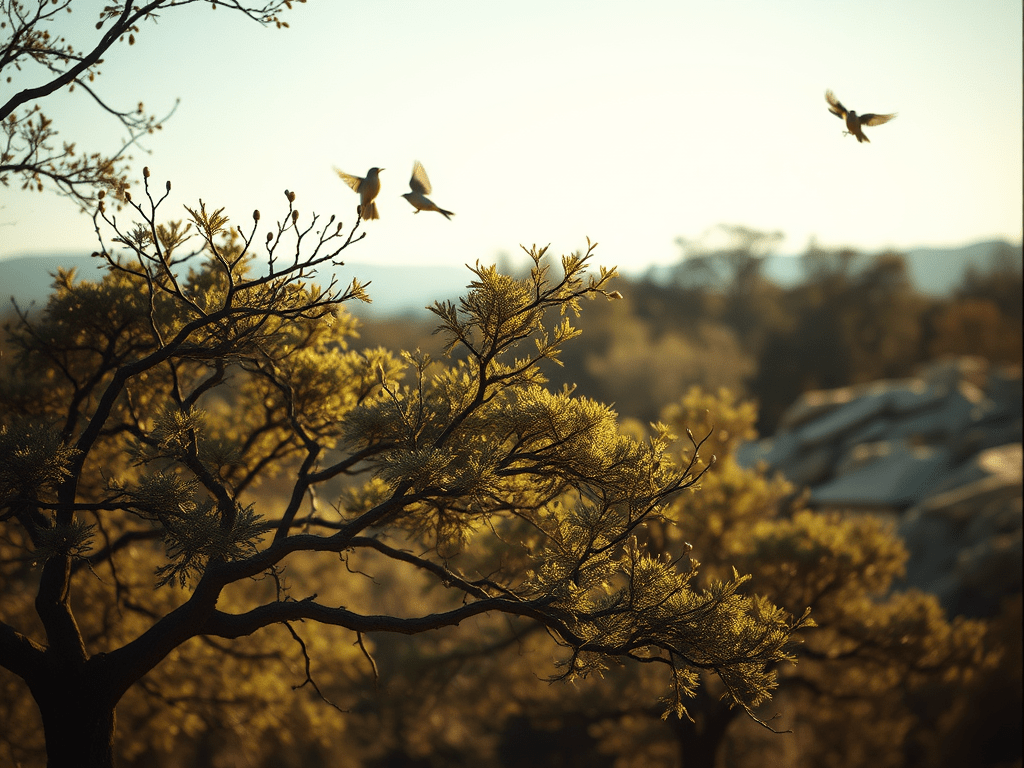
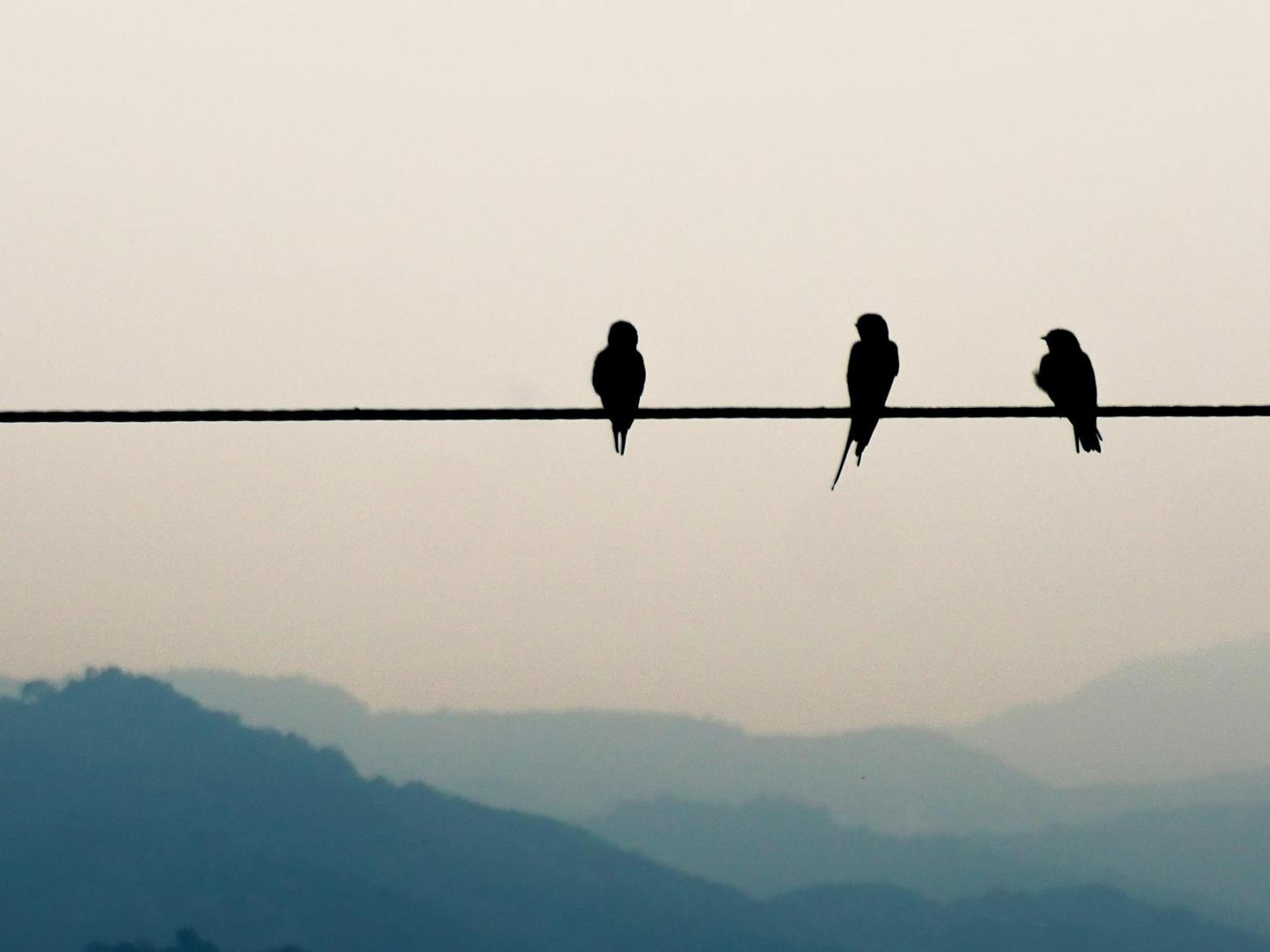
My daughter Abby, a Cork resident until her VISA expires in May, is snapping photos of me on her cell. Save for a few seabirds staking out a tidal pool, we are alone. At first, I mistake the birds for gannets, a giant, white seabird with a wingspan of nearly six feet. They dive for their prey, speeding at 60 miles an hour with such a voracious appetite that humans who share their zest for meals are called gannets. But the tour guide later corrects me. These are your garden variety gulls- the gannets, thousands of them, are on nearby islands, but not here.
Wrapped in our winter parkas on this April morning, my daughter and I are the only tourists from our bus braving the wind and drizzle and fog that has finally lifted enough to see several hundred yards into the surf. I am grateful for the mist that is seeping into my skin like an anointing. Blessed to be in this mystical place.
And yet, I am conscious that the “self I brought along” to Ireland is fraught with anxiety. When good things happened in my life, they seemed too good to endure. Many years ago, I had a short reading with a seer recommended by a dear friend. The seer took my hand and declared that I evolved from a line of worriers and doomsayers. Deep in remote Carpathian villages, my Rusyn ancestors behaved as if the sword of Damocles was swinging above their heads. This rang true. As a child, I worried that my father, who struggled with bipolar disorder, would lose a newfound job, plunging our household into chaos and the need to buy powdered milk.
As an adult, I feared that my life would unravel to the point that I would become homeless. As a single mother, I worried when I had to play bill roulette, carefully calculating how long I could postpone paying until something got turned off. That sword dangled in my orbit for years. Even today, I catch its glint.
********************************************************************
in Dublin, I wait in line at Trinity College to view the iconic Book of Kells, an illuminated manuscript of four gospels created by monks twelve hundred years ago. It is breathtaking, as is the college’s Long Hall, which contains 200,000 of the college’s oldest books and is guarded by marble busts of philosophers and writers. Floating above the literary gold is Gaia, a 3-D image of earth fashioned by NASA. It is as if the earth has escaped its orbit and has come to inhabit this austere hall.
Not far away, St. Stephen’s Green, a leafy urban refuge, was opened by Sir Arthur Guinness during the Victorian era. Now overflowing with flower beds and tourists, this park figured in the 1916 Rising when the Irish staged an Easter Day rebellion against the British. An English noblewoman named Countess Constance Markievicz brandished a pistol as second in command. I stare at the gazebo where she helped feed the 400 Irish insurgents, at the bullet holes in the park’s stone archway and wonder if one bullet was meant for her. Was she ever scared? At the nearby Museum of Dublin, I learn that another woman leader was wounded but survived. Among other bits of knowledge, I learn about the horrors of the Magdalen Laundries that imprisoned nearly 10,000 “fallen” women, forcing them to perform unpaid manual labor. Run by Catholic nuns, these laundries existed into the 1990s. Their babies were often sold. Many died. It is a testimony to the unparalleled power of the catholic church in this country, and tendency of countries to bury their shame by collective consent. I think of the thousands of indigenous children in the US forcibly removed to boarding schools where they could be “cleansed” of their culture and language.
At St. Stephens, I follow a gravel path to a memorial commemorating the one million Irish lives lost to the Great Famine. There are three emaciated figures in bronze, one extending a ladle to a seated individual. The abstract sculpture is heartbreaking in its starkness. Later I will hear a tour guide talk about the famine houses, abandoned by desperate families who left their homes in search of food; many died on the way. At a famine museum outside of Cork, there is a blackened cauldron that was used to boil nettles and herbs soup. By confiscating land and crops other than the virus laden potato, the British starved the Irish. Small wonder that the Irish have a deep affinity with the Gazans, nearly 50,000 of whom have perished from Israeli bombs before a fragile ceasefire was reached in early 2025, allowing for freeing of Israeli hostages seized when Hamas launched a terrorist attack in October 2023. On an office building overlooking the Liffey River in Dublin, a giant banner silently demands “Ceasefire Now.”
***
Rolling through the hills and fields west of Killarney to the Dingle Peninsula, County Kerry is a mosaic of green patches, blackened turf (peat) burned as fuel, although this practice is largely banned today. Like nature’s leafy chessboard, hedgerows serve as fences for owners whose sheep roam freely through the hills. These are Ireland’s rain forests some centuries-old, offering food and shelter to animals and birds. Viewing this landscape from his plane, Johnny Cash was inspired to write “Forty Shades of Green.” when he returned from his first trip to Ireland.
Amid the lush green, baby lambs are glued to their mothers, each marked with splashes of color to identify owners. The sheep resemble woolly canvasses streaked with red and blue, as if kindergartners ran wild through the fields with paintbrushes.
Roadsides are thick with gorse, spiny evergreen bushes with flowers the color of butter. It is said that the gorse provided the yellow used in the Book of Kells. I am lucky to be visiting in early April since gorse only blooms for two weeks every spring, nature’s reminder that life’s beauty is fleeting. Virginia Woolf urged her readers to “see the colors of the world.” I gratefully soak in the greens of the hedgerows, gray of the ancient stones as soft as dove tails, the glorious yellow of the gorse.
********
Off the coast of Dingle lie the Great Blasket islands, uninhabited for decades, save for thousands of gannets and gulls, even puffins. On this foggy day, I can barely make out the outline of the largest island. It conjures ghosts of families eking out an existence here. Men going out to fish in traditional curachs- boats of wicker frames covered with canvass. Children gather turf and heaters to burn fuel. There is a story of a young boy falling off a cliff while gathering heather for his family.
One of the most venerated Irish storytellers lived on Great Blasket, raising eleven children (only six of whom survived to adulthood) and helping keep alive the Irish language for younger generations. At the end of her life, Peig Sayers dictated her autobiography to her son chronicling her years on what she called “this lonely rock in the middle of the great sea.”
On the day that Peig buried her fourth child, she wrote,” “I sat on the bank above the beach where I had a splendid view all around me. Dead indeed is the heart from which the balmy air of the sea cannot banish sorrow or grief.” Peig died in 1958, long after her children had migrated to Massachusetts.
The balmy air, roadside bouquets of gorse, jagged cliffs and white caps that rushed to meet them, what do I carry home from this place?
I am turning 70 years old in August; my well-ordered life is unfurling as planned after less than well-ordered decades. I bought my first home last year. Piled up modest retirement savings. Moved to Michigan to be near my youngest daughter who will have her first baby- my first grandchild- in June. All of this is good. Desirable. And I am grateful for all of it.
But as I gaze at the Blasket Islands draped in fog, and rub the stones in my pocket, I yearn for something else. Something deeper. Something I cannot yet define but it is there all the same. Mystery perhaps. All that has been elusive in my life – until now. I am reading John O’Donohue’s blessing, ‘For the Traveler.’
When you travel,
A new silence
Goes with you.
And if you listen
You will hear
What your heart would
Love to say.
In The Gift of Years, Growing Older Gracefully human rights advocate and spiritual writer Joan Chittister offers this on Mystery:
“A blessing of these years is coming to see that behind everything so stolid, so firm so familiar, in front of us runs a descant of mystery and meaning to be experienced in ways we never thought possible….In this new world, a mountain, a bench, a grassy path, is far more than simply itself. It is a symbol of unprecedented possibilities, of the holiness of time.”
On wild and breathtaking Coumeenoole Beach, swimming is banned because the currents are so unpredictable. Yet underneath the fury of crashing waves and wind, I can hear a still small voice whispering,” Live fully. Take risks. The time is now.”
And banish, at all costs, the menacing sword.
Excerpts from the blessing, 'For the Traveler.'
John O'Donohue
To Bless the Space Between Us (US) / Benedictus (Europe)
Marcy Darin is an award-winning Detroit-based writer whose work has appeared in The New York Times, Ms.,Chicago Tribune, Chicken Soup for the Soul, The Braided Way, Persimmon Tree, and in the anthology, Finding Light in Unexpected Places, published by Palamedes Press, among other publications. She has three adult children and a seven-month-old granddaughter, who is her light! She is working on a collection of essays on being a lifelong sojourner. You can read more of her work at marcydarin.com.





 Amethyst Review