Nam Myoho Renge Kyo – a poem by Thomas R. Smith

Nam Myoho Renge Kyo

I chant it, breathe it, or just think it
sometimes when I’m feeling anxious,
that little Japanese mantra I was given
by a friendly young woman
on the subway the spring I hitched to New York
on my way to Europe. I was fresh off
the road, heavy backpack, new hiking boots,
I’m sure had out-of-towner written
all over me. This woman — I remember
she was short with wavy sandy-colored
hair — brought her face close to mine and said,
“This will help you to center,” and
wrote it so I wouldn’t forget. I was
lonesome but hopeful that year in the last
days of my twenties, discovering
I could open the door of Nam myoho
renge kyo
and find reservoirs of calm.
Nichiren Buddhist, translates variously
as Glory to the Dharma of the Lotus
Sutra
and I take refuge in the Lotus
of the Wonderful Law
. I relied on it
camping in bushes beside the autobahn
or trying to sleep in a seedy
hotel room in Milan. Even now when
troubles worry me awake, I breathe in
Nam myoho and breathe out renge kyo
thinking of that time when I was lost
and trying to find the way back to my life,
and I thank that woman who pegged me for
the worried pilgrim I was on the New
York subway and gave me the sublime gift
of the Lotus of the Wonderful Law.


Thomas R. Smith is a poet, essayist, editor, and teaching living in western Wisconsin. His most recent book of poems is Medicine Year (Paris Morning Publications). He is the editor of a forthcoming collection of Robert Bly’s essays on poetry and the writing life, The Garden Entrusted to Me (White Pine Press)

Museum of Trees – a poem by Frank Desiderio

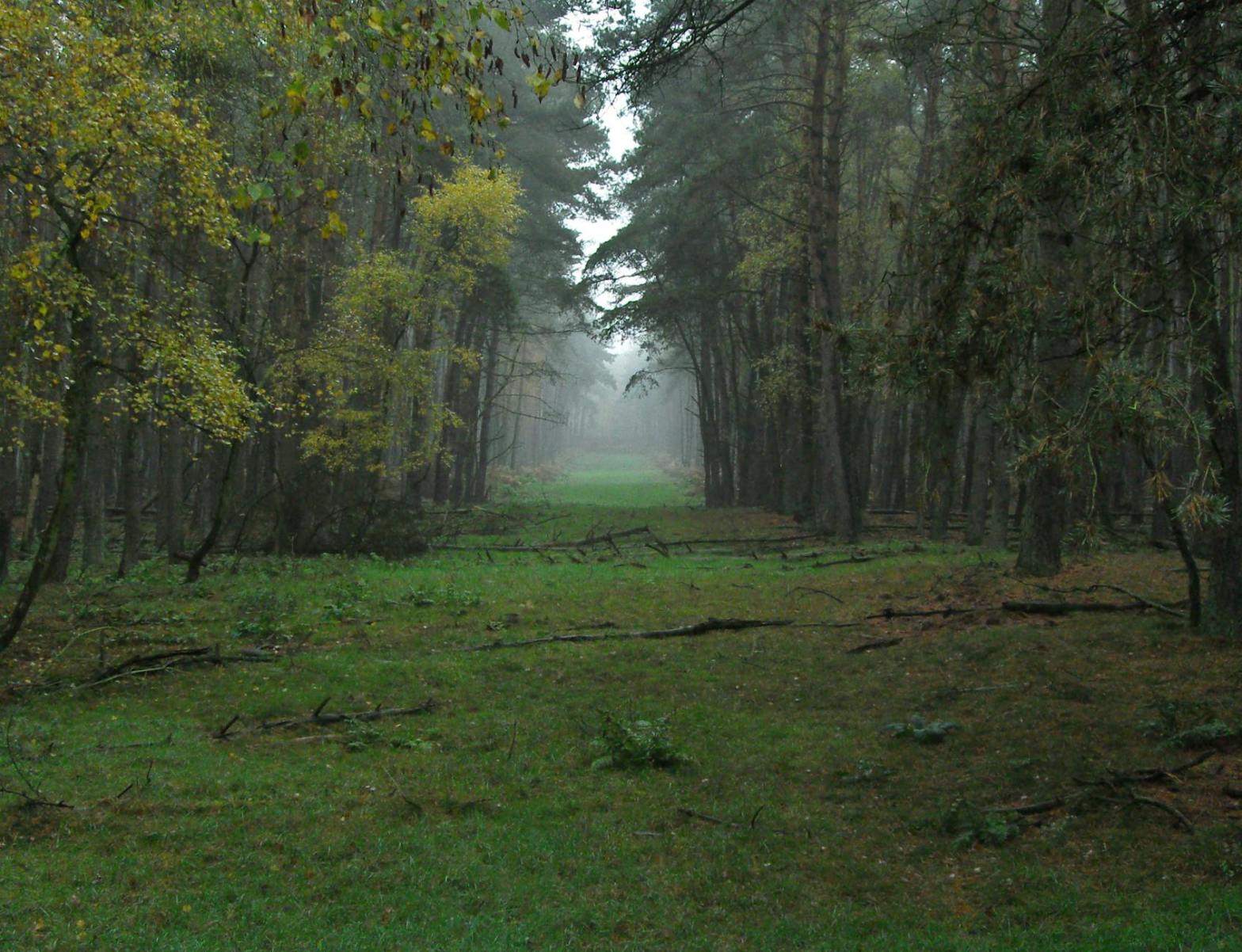
Museum of Trees

Finish every day and be done with it - Ralph Waldo Emerson

Let yesterday, all yesterdays
go into your museum of trees
some verdant, some burnt.

Sure, you may smell the smoke
of tamped down desires,
and, yes, the leaves constantly
mutter nonsense as if they had regrets.

The broken branch
crashed to the ground
but it missed you, move on.
The autumn fall of forgiveness
softens the forest floor.

The constant burble of the stream
wants to hold you
ease you with cool touching.
Slights and insults roll over the rockslide,
slick from years in the stream,
swallowed in the white water roil.

Leave the snapped twigs behind
under a loamy mound.
Yes, there are also the mounds
marked with stones
some heart-shaped, some a cross,
some an X.
Pray your prayer and make progress.

Rain rinses everything clean.
Rise and begin serenely again
lift your mug heavy with coffee
give thanks
all you need for happiness is here
in the clearing of your morning vision.

Frank Desiderio is a priest and poet who served as a campus minister (UCLA), retreat leader and film producer. Now, he produces two video poems each week on his Substack, Holy Poetry, https://holipoetry.substack.com. His poems have appeared in the Spring Hill Review, Amethyst Review, America, Windhover and Presence among other journals. Currently he lives in Manhattan and finds joy in helping to raise his nieces, writing poetry and doing Tai Chi.

The Monks of Skellig Michael – a poem by Greg McClelland

 The Monks of Skellig Michael
(Ireland, 6th Century)

I'm with you always, till the end, You said.
I look for You in desolation, high
between the sea and sky and, living dead
to world and self, transmogrify
to something less or more than merely human.
My minutes, hours, days are tolled by breathed
novenas, heaven's furious sun and rain,
sweeping waves of screaming sea-terns weaved
through cloud-thrown tapestries of light and shade,
and constant sea-borne bass of boom and rush.
I feel You in the rote of night and day,
and hear You in the deepest evening hush.

The last west rock before the endless sea,
from Skellig's crags they glimpsed eternity.

Greg McClelland is a retired federal government attorney. He has written poetry throughout the years but has only made a concerted effort to publish it since retiring in 2013. He has published poetry in Ancient Paths, The Road Not Taken, and New Verse News. He has one Pushcart Prize nomination.

Revelation 2:17 – a poem by Dean Abbott

Revelation 2:17

What if an incantation of animal names
was the only necessary magic?

What if freedom fell from hearing

Dove
Vole
Horse
Tortoise
Grouse
and
Heron?

What if midway through
our recitation we
discovered ourselves
outside
the locked gates:

Mortgage
Degree
Buy
Entertain
and
Hurry

What if through the deer’s leaping white like a
flame, the fox’s laugh in autumn,
the call of the barred owl reminding
us of death’s slow approach we
knew ourselves again?

What if we plunged our dusty hands into the
river of what is given and pulled
from her a stone, white, which
when turned revealed our own
forgotten name?

Dean Abbott is a writer, poet and pastoral counselor living in Kentucky. He can be contacted through http://www.deanabbott.com or on X @deanabbott.

One Hundred Things – a personal essay by Elizabeth Jarrett Andrew

One Hundred Things

It’s a ubiquitous kindergarten tradition:  Collect one hundred things for the hundredth day of school.  But Gwyn’s disinterest creates yet another mother-daughter struggle.  Counting elbow noodles is boring.  Stringing beads is stupid.  I look at our dining room table, messy with paper, pencils, and scissors, and suggest, somewhat deviously, “Gather up your paper dolls.  I bet you have a hundred.”

Her eyes brighten.  The table clears while paper dolls, ten in each row, get into marching order on the living room floor.

Gwyn began coloring paper dolls at age four.  At first Emily or I outlined the body for her; then she learned to sketch her own, coloring in skin, face, hair.  We were perpetually cutting out arms and legs and whole wardrobes, each tiny shirt and skirt bristling with flaps.  When Gwyn started therapy for adoption-related struggles, the first thing she did was draw our liberal Christian family with matching skirts, shirts, and hijabs.  When Gwyn read that Betsy and Tacy cut their paper dolls from magazines, advertisement models toting oversized cell phones and wine glasses began littering the living room.  Family started giving her store-bought sets, paper mice holding dandelion bouquets and Frida Kahlo with her amazing wardrobe and, later, Hamilton, cocky with his hand on his hip.  These delighted Gwyn for a bit, she dressed and sorted them, but her ardor for her own designs always won out.  There’s the Christmas set with Mr. and Mrs. Santa and elves, a set for Disney’s Frozen movie with accurate replicas of Anna and Elsa’s dresses, the “Mama, Imma, and Gwyn go to Hawaii” set with hula skirts and volcano-proof suits, and even the God set.  The divine family has strangely enormous heads and stick bodies.  Sister God has cornrow braids, Baby God is still crawling, Grandpa God sports a gray beard.  “The whole world’s a family,” Gwyn tells me, and she draws and draws, trying to find her place in it.

Once after I’d been away on a three-day silent retreat, Gwyn greeted me at the door with a large manilla envelope on which she’d scrawled, “Open Immediately.”  Gwyn and I sat on the back hall steps, our sides pressing, my arm around her.  Inside were Gwyn, Imma, Mama, each with a few outfits in our favorite colors, matching pajamas, and crowns.  I couldn’t stop squeezing her into me.  I imagined her all weekend bent over the dining room table, pouring ache into little flat people she could give hair-dos and tenderly clothe, all the while I’d been pouring my ache into the silence, and it seemed to me that prayer is never what we think it is.

We collect paper dolls from dresser tops, book shelves, and under beds, laying them in a battalion on the living room carpet:  Ninety-seven, not counting clothes or vehicles.  Gwyn tackles the final three with gusto.  Once their classroom appearance is complete, we will store them in a large gift box in the basement.  Sometimes while I’m working I will imagine those paper people resting in the dark like a secret population of Gwyn’s longings, while her love marches mightily, invisibly, into creation.

Elizabeth Jarrett Andrew is the author of Swinging on the Garden Gate: A Memoir of Bisexuality & Spirit, now in its second edition; the chapbook Map to Mercy, and three books on writing: Writing the Sacred Journey: The Art and Practice of Spiritual Memoir; Living Revision: A Writer’s Craft as Spiritual Practice; and The Release: Creativity and Freedom After the Writing is Done. She is a founding member of The Eye of the Heart Center, where she teaches writing as a transformational practice and hosts an online writing community. You can connect with Elizabeth at www.elizabethjarrettandrew.com and www.spiritualmemoir.com.


autumn breeze through the heart chakra – a poem by Shelina Gorain

autumn breeze through the heart chakra

a gust of desire
for something eternal
flung open all these windows
inside me

exposing that place
that holds up the lungs
you know, the place where
fire is compressed into a point

and suddenly, the point
bounces forward
turns cool and hollow

a dancing tunnel of morning light
with autumn leaves floating upwards!
no two leaves ever identical

Shelina Gorain is a former software professional, a balcony gardener and a knitter. She writes from Toronto.

Love in Plain Sight – a poem by Marjorie Moorhead

Love in Plain Sight


Are we entering a dark cave? If so, let's step in together.
You be my candle; I’ll be yours. We will generate warmth,
follow light we make for each other.
Let any darkness bring us closer.

Snow, a cold blanket, can sparkle once fallen.
It just needs to be open, in conversation with sun
or a full moon and stars.
Let love be revealed. Let's welcome the magical,
have faith in mystery. Not be diminished by misery—
it is just a segment of this journey.

Start with incantation; like a bird, sing it sweetly:
I want to find the love in front of me.


Marjorie Moorhead is author of poetry books Into the Thrum (2025), What I Ask (2024) and Every Small Breeze (2023), chapbooks In My Locket (2024), Survival:Trees, Tides, Song (2019) and Survival Part 2 Trees, Birds, Ocean, Bees (2020). Her poems have appeared in Amethyst Review, Tiny Seed Literary, Moist Poetry Journal, Bloodroot Literary, Sheila-Na-Gig, Porter House Review, Poeming Pigeon, Verse-Virtual, What Rough Beast, Touchstone, others, and 20 anthologies to date, including The Wonder of Small Things (James Crews, ed.). Marjorie lives with her family and writes from a river valley at the NH/ VT border.

out of bread broken – a poem by Sister Lou Ella Hickman

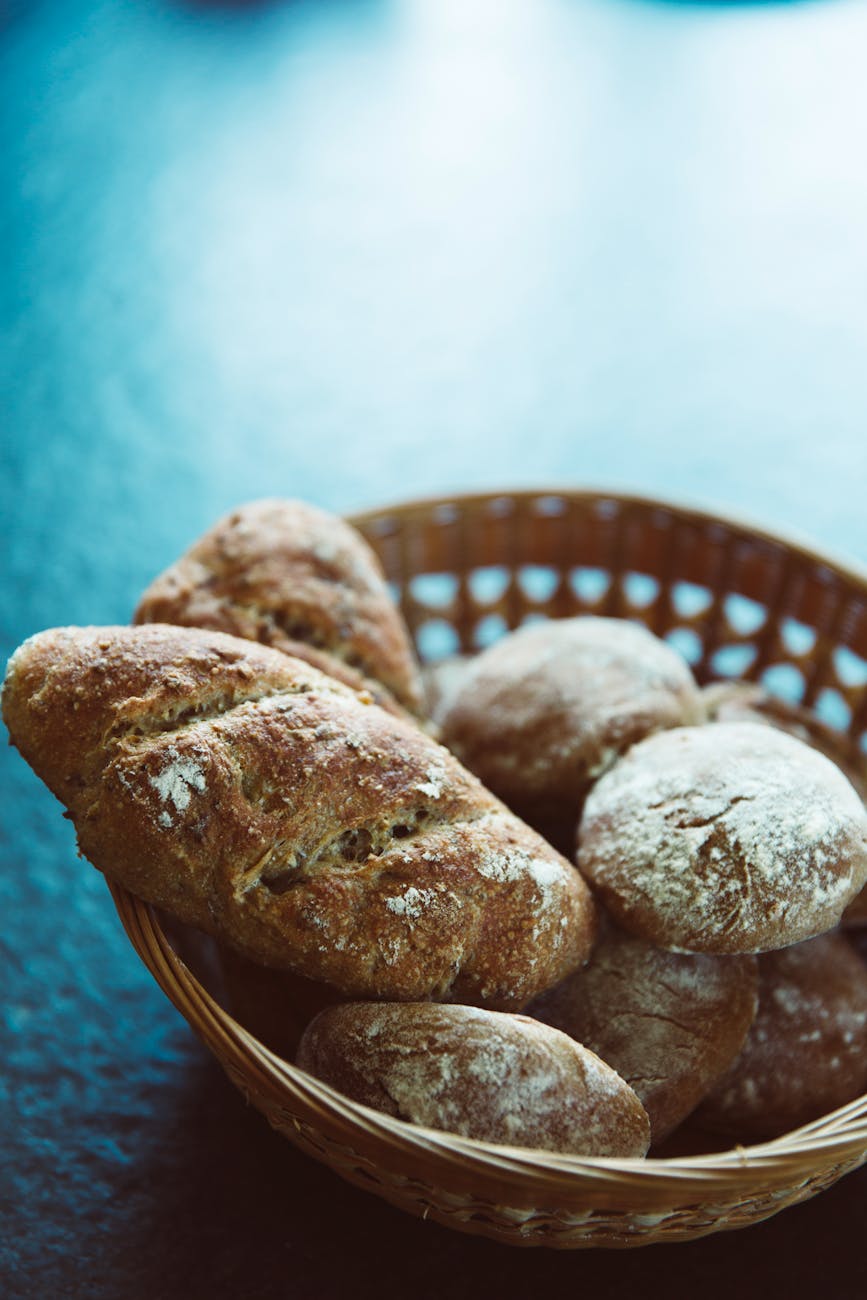
out of bread broken

out of bread
broken
blossomed the wood of Word
whose pulse was universe in nails
out of bread
broken
blossomed a flower
whose cup was so rare as blood
o Man
Who is Root of men’s naming
(someone called jesse)
to the earth condemned
was planted
the sower went out to sow
into the very field of words
He spoke
for all this field
this life and death
did voice
relentless as the grave is love

Sister Lou Ella Hickman, OVISS is a former teacher and librarian whose writings have appeared in numerous magazines and anthologies. Press 53 published her first book of poetry in 2015 entitled she: robed and wordless and her second, Writing the Stars, 2024. She was nominated for the Pushcart Prize in 2017 and in 2020. James Lee III composed “Chavah’s Daughters Speak” for a concert held on May 11, 2021, at 92Y in New York City for five poems from her book. Another concert was held in Cleveland, Ohio on March 28, 2023, sponsored by the Cleveland Chamber Music Society.

The Boy Inside the Whale – a poem by Juan Pablo Mobili

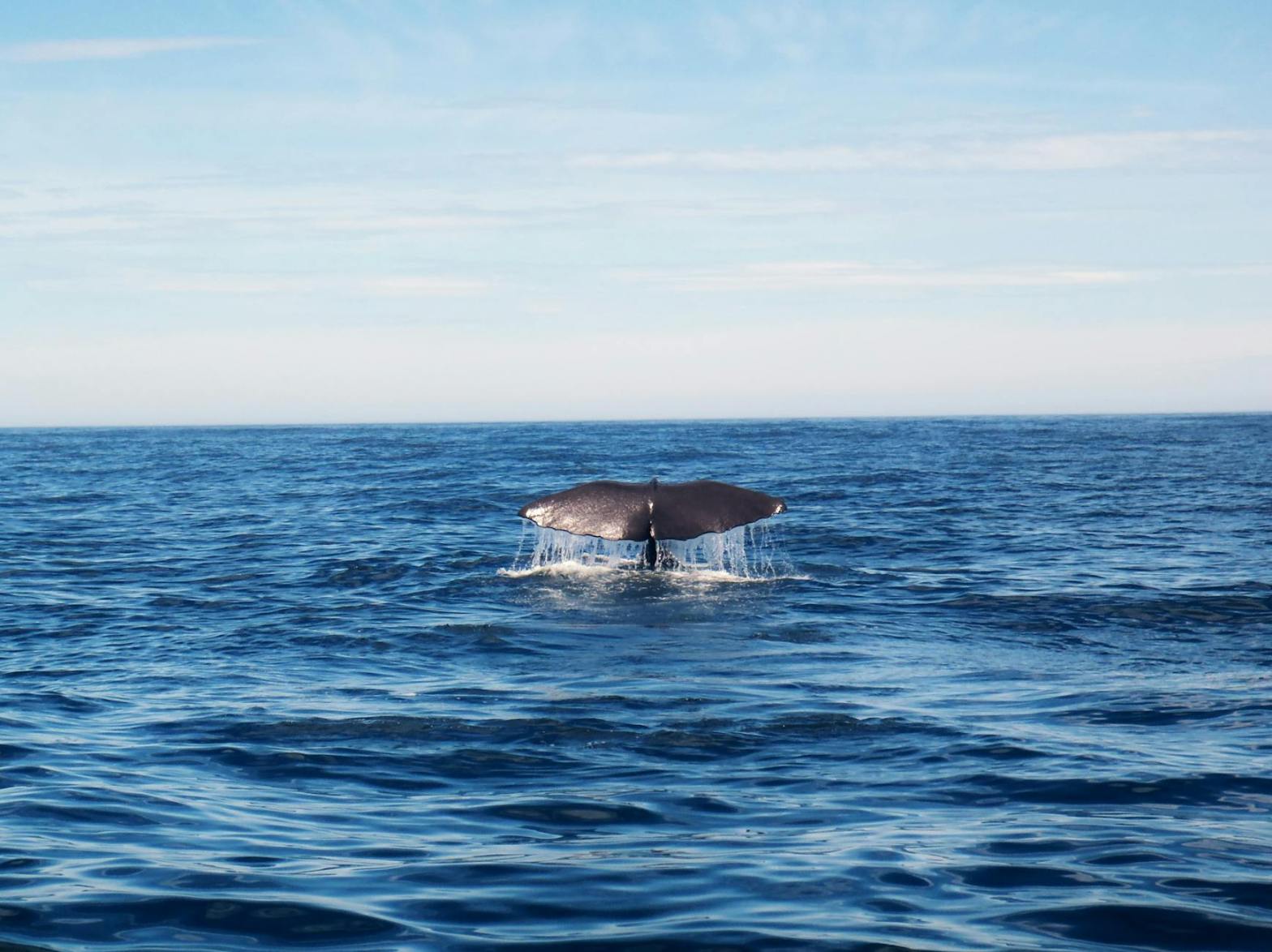
The Boy Inside the Whale


We leave certain things behind when we visit each other, like my dear friend who tells me his youngest son died, and leaves the dear boy roaming inside my body. I feel like the whale felt when Jonah was about to be freed from its belly, leaving behind, perhaps, a clavicle, a prayer he might have needed later, or the last remains of his hope that men and flowers will find their way to resurrection.


A boy rides the crest
of his parting, the taste
of salt still on his lips.

Juan Pablo Mobili was born in Buenos Aires, and adopted by New York. His poems appeared in Tupelo Quarterly, Worcester Review, Louisville Review, and Hanging Loose Press, among others, and also publications in Europe, Asia, Latin America, and Australia. He received multiple Pushcart nominations, and his chapbook, Contraband, was published in 2022. In January of 2025, he became Poet Laureate of Rockland County, New York.

When I Consider Your Heavens – a poem by Ronnie Sirmans


When I Consider Your Heavens

(Psalm 8:3-5)

How does it feel to see the sky for the first time?
I never considered the question; an animal
posed it to me.

Of course, I take a sky for granted. I can’t recall
a world without it, without sun or breezes
or tops of trees.

North of here in the woods, a new sanctuary brings
together former lab chimps who were never
allowed outdoors.

The newspaper’s photo caption reads so simply:
Lance, the first chimp to go outside, gazes
up at the sky.

And I stare at the photo, at him.

I wonder what Lance is thinking. Like someone
with new sight, he seems absorbed in awe
of the heavens.

Ape experiments provided easy-to-clean floors
forming the earth and ceiling tiles framing
plain, finite skies.

When I leave work, it’s dark with a partial moon.
I sit in my car, wishing I could talk to Lance
of horizons.

The habitat eventually will let the chimps out
at night. How can anyone be prepared
to witness stars?

Ronnie Sirmans is an Atlanta modern media company’s digital platforms editor whose poetry has appeared in Sojourners, Fathom, Ekstasis, The Windhover, The Clayjar Review, Heart of Flesh, and America: The Jesuit Review, in addition to non-faith-based magazines.