i. The dry stane dyke stands. Barely. Stretches far off. Crumbling Ashkirk whinstone dappled with velvet olive lichen, held with feather-moss, flanked by scrubby birch and rowan. The dyker stands. Barely. Kneads his back, then kneels to study before stripping out the stones. He re-builds, weighs each stone in the hand, stilled.
Huge throughstones help him bridge. Coping stones protect, lend an aesthetic touch with hidden hearting, vital for equilibrium. He patiently lays them side by side grades by size and shape, in character with the Borders landscape.
ii.
The dyker looks tenderly to place where each belongs, examines each virtue, each fault to maintain integrity, avoid collapse. He’s practised the skills in every circumstance; second nature, with steady cadence to re-connect with people and place.
He takes his time - a wall built right allows others to thrive: mosses, lichens, purple thrift and saffron saxifrage, beetles in the damp warm spaces between courses, even wrens can nest, just as St Cuthbert tamed ducks to rest near his cell and chapel. After winter, sleepy snakes slither from wall to grass. The stones flourish for future generations, all as kin, all as neighbours.
Inspired while teaching Religious Studies, Barbara Usher now cares for retired ewes who bring their lambs at foot, and ex-commercial hens on her 8 acre animal sanctuary, Noah’s Arcs. Her poetry has been published in Borderlands: an Anthology, Amethyst Review, the Catholic Poetry Room, Dreich, Green Ink Poetry, Last Leaves, Last Stanza, Liennekjournal, and in the Amethyst Press anthology Thin Places & Sacred Spaces. Her work is included in the Sonic Museum, Heids and Herts Scotland. She writes on Celtic saints, ex-farmed animals, and her local area, and is the representative for the Fife Poetry Stanza. Her website is: barbaraushernoahsarcs.com.
An eagle perches on a low branch waiting for herring in still, clear water at the riverbend.
The speckled loon rushes through verdant green lily pads to purple bloomed pickerelweed, her dark downy chicks close behind.
Veiled by beech trees, red-eyed vireos serenade without ceasing.
Blue dragonflies dance above the water catching prey mid-flight.
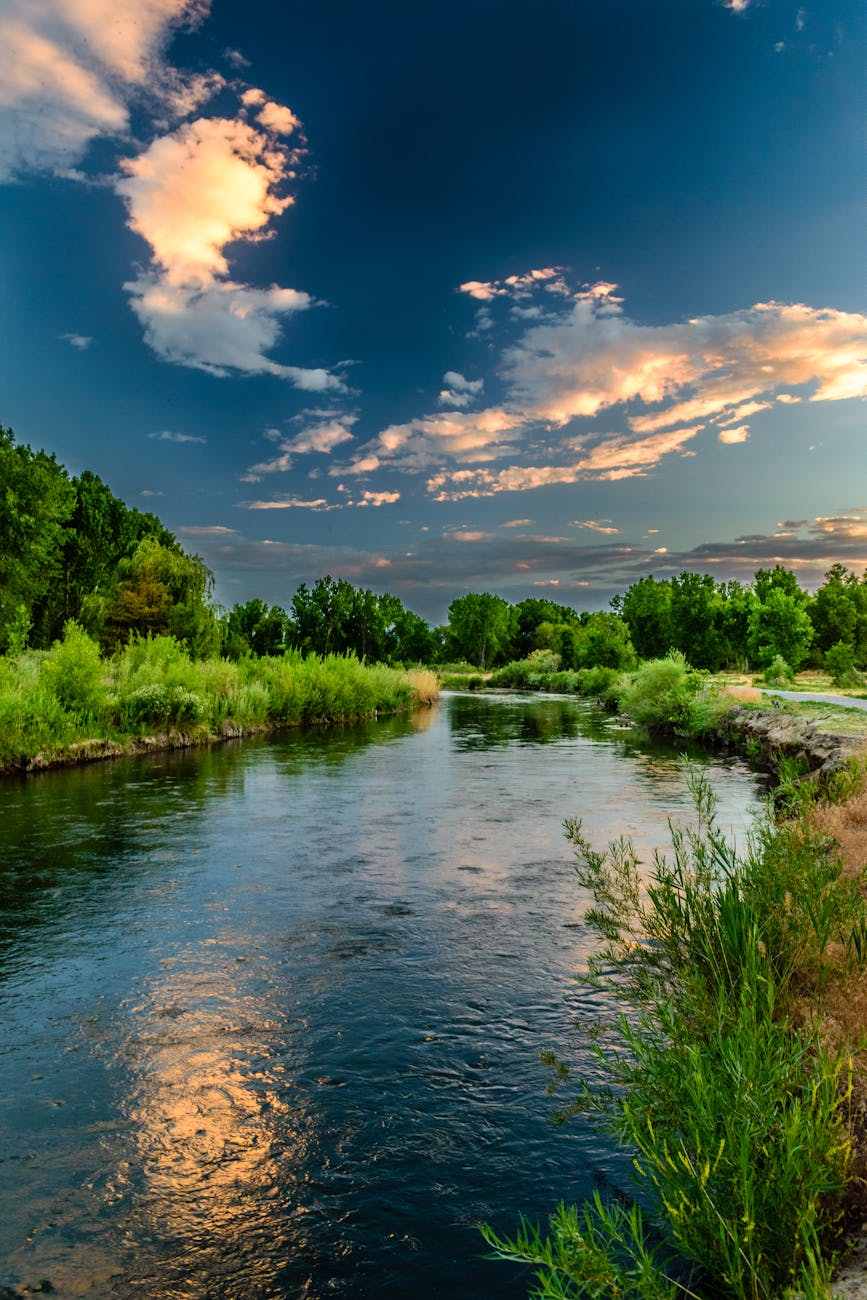
Sundown on the Salmon River casts its spell— where the river goes, I will follow.
Angie Kinman is a writer, reading interventionist, and retired teacher living in Nashville, Tennessee. She has always been passionate about teaching poetry, but it was not until her daughter, who had special needs, passed away on March 2, 2023 that she began to write poetry. She has found healing and a divine connection through writing.
A life hidden in seclusion is like what? – Bai Juyi
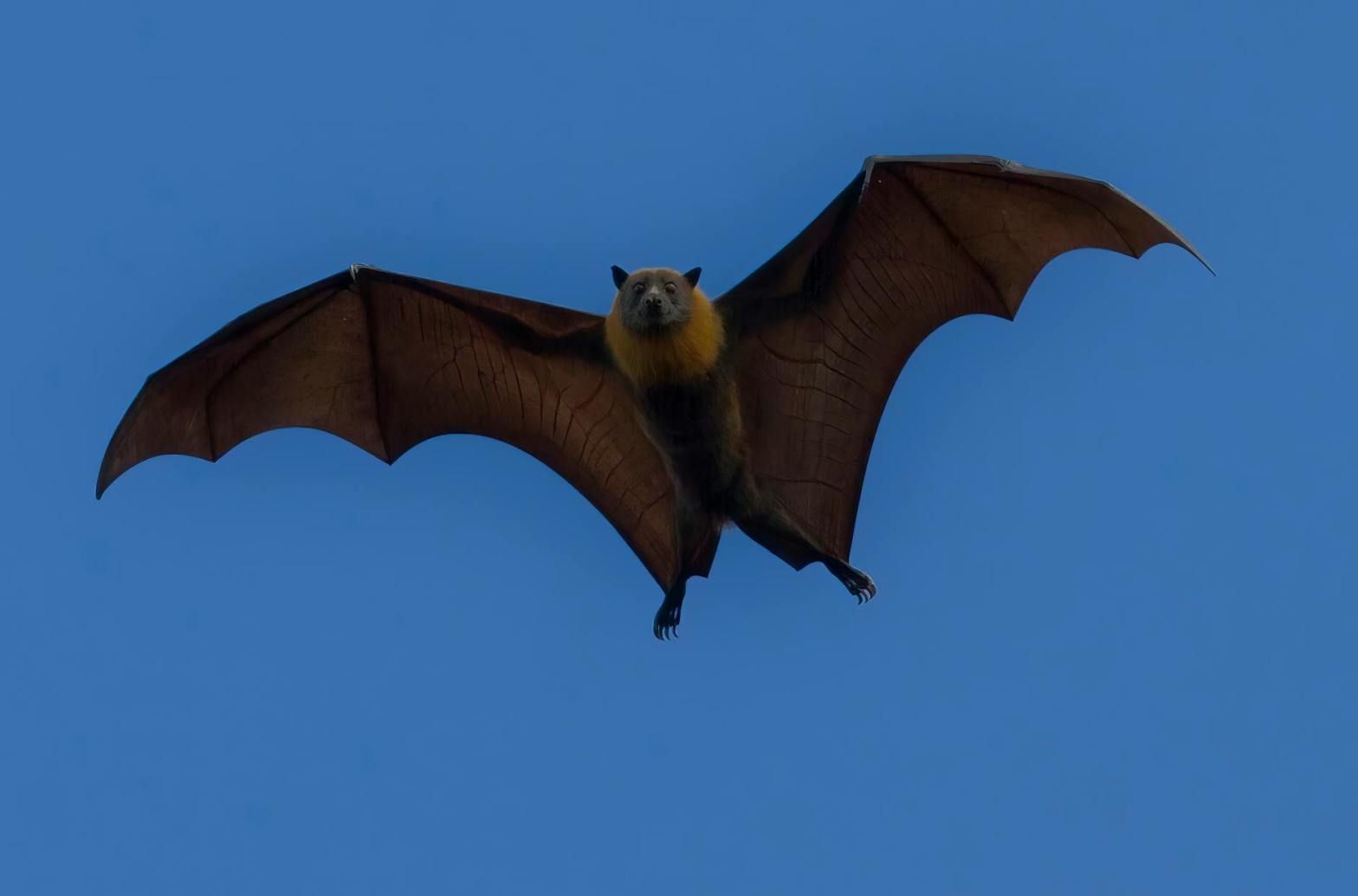
No warning just a soft flutter that skims / the top of your head like a plump putto / not quite touching down and even softer / swooshes then darting this direction and / that into the too-bright light rushing to / find its way out the door into fading / dark of first morning blush
But at least it / didn’t land like a horrible webbed hand / in imitation of a human hat / some misshapen mammalian beret or / kite-like yarmulke clinging like a pat / on the head from a pedophile priest as / creepy and reassuring as corrupt / religion can be as soothing as a / nightshade cap or an angelic evasion / of the truth
We are no longer scared of / such surprises that no longer surprise / but you never know what’s next / ? ? ? / bull frogs with long tongues in the toilet / men with long guns in the aftermath / stealthy copperheads in the rocks / healthy wolf spiders scaling bedroom walls / and now these indigent bats lost and down / on their luck demanding their squatter’s rights / indignant in furry flight after hanging out / all night in the pantry
It took some doing / to get it out safe and ultrasound as / it kept banging its fangs against windows / and screening swooping here and there as if / it knew what it wanted but not how to get it / searching for something the pantry did not / have nor the kitchen nor the house nor the / woods nor the world as it flitted upon / rosy dawn air on down Sherwood Road toward / Buggytop Trail and home to Lost Cove Cave.
Richard Collins is abbot of the New Orleans Zen Temple and lives in Sewanee, Tennessee, where he leads Stone Nest Zen Dojo. His recent poetry has been nominated for Best Spiritual Literature and appears in Amethyst Review, Clockhouse, The Dead Mule School of Southern Literature, MockingHeart Review, Pensive, Sho Poetry Journal, Think, and Willows Wept Review. His books include No Fear Zen (Hohm Press), In Search of the Hermaphrodite: A Memoir (Tough Poets Press, 2024), and Stone Nest: Poems (Shanti Arts, 2025).
I’m in love. But not the kind of love you’re thinking of.
I’m a snowflake melting devoted to the first spring’s sunlight.
A houseplant aching for a window— thirsting, wanting.
The sun beams within my vessel with everything I consume. Cucumbers, basils, spearmint, and amaranth leaves. Borage, marigold, nasturtium, and anise hyssop flowers.
The moonlight coils me within a silky cocoon while crickets and frogs tickle me with the chorus of their jubilation.
God’s light cycling and recycling— inhaling and exhaling facets of nature.
Shahrzad Taavoni is a poet, artist, and licensed acupuncturist pursuing an MFA in Creative Writing at the University of Baltimore. Her work explores healing, mythic consciousness, and spirituality, and has appeared in Soul Forte Journal, The Closed Eye Open, Persian Heritage Magazine, and is forthcoming in California Quarterly. She creates immersive poetry light shows, blending her poems, voice, and sculptures, shown at Maryland Art Place, School 33, Subtle Rebellion, and the Baltimore Public Works Museum. Follow Shahrzad: Instagram: @shahrzadtaavoni; Facebook: facebook.com/shahrzadtaavoni
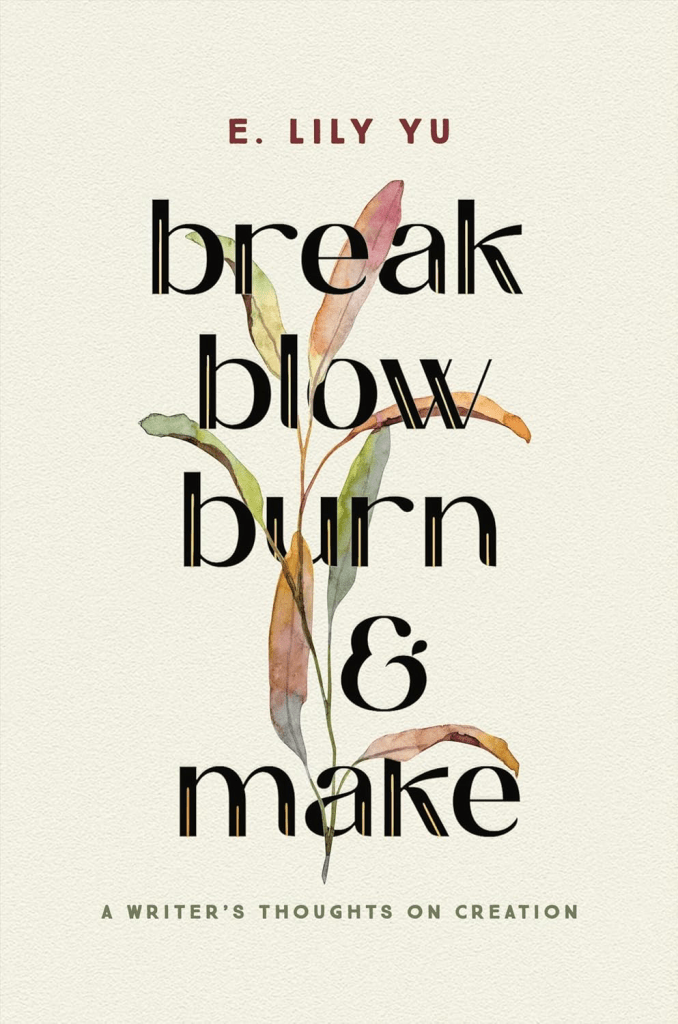
Recovering Words, Language, and Stories – A review of Break Bow Burn & Make: A Writer’s thoughts on Creation by E. Lily Yu
Review by Jessica Walters
Each year before the star of a new, academic semester, I read Marilyn McEntyre’s timely book Caring for Words in a Culture of Lies because it reminds me why words matter. Indeed, her book prompts the reader to love and steward words because they “are entrusted to us as equipment for our life together, to help us survive, guide, and nourish one another” (2).
McEntyre draws on several sources, notably George Orwell and George Steiner who both “lamented the way that language, co-opted and twisted to serve corporate, commercial, and political agendas, could lose its resiliency, utility, and beauty” (3).
And so it happened that the week I went to the library to find Steiner’s Language and Silence (upon which McEntyre draws) I began reading E. Lily Yu’s Break Blow Burn & Make. She, along with the three previously mentioned authors, encourages her reader to take seriously the gift of language and warns of the dangers of misuse.
Yu offers a variation on theme. She writes, because has noticed that stories no longer have love, intertwined throughout and she longs for incandescent writing, which she describes as such:
The writer begins with light, which is sometimes a steady white flame, sometimes no more than an ember that must be blown to brightness, and the dust and ashes left by living one’s life. Within and through the writer, this dust and the light combine to create the drafts of a book, one after another, each exhibiting an increasing internal order, like the instars of a dragonfly. If the process is carried to its final and most perfect point, a whole world emerges richly complicated, well-ordered, and entire. The book blazes forth for as long as it has a chance of finding a reader (5).
Yu rightly believes there is a kind of holy mystery, perhaps even a chemistry to the writing life, one that combines diligence, sustained attention, care for language, and deep and abiding love in a writer’s work and life. I tend to agree. And having just read Leif Enger’s Peace Like a River, I know just what Yu is referring to. But the problem, according to Yu, is that this kind of writing has nearly vanished and “a light [has] gone out of new books. . . They [are] sometimes entertaining, witty, competent, and comforting, and sometimes they were not, but they [strike] me as missing that vital flame” (6).
Is this a surprise? It shouldn’t be, not if Orwell and Steiner’s prophetic warnings about the co-opting and twisting of language are to be taken seriously. To make matters worse, the flippancy and misuse of language can be ruinous to ourselves and souls.
Wendell Berry (as quoted by McEntyre) says that there are two epidemic illnesses of our time, “the disintegration of communities and the disintegration of the person. . . My impression is that we have seen for perhaps a hundred and fifty years, a gradual increase in language that is either meaningless or destructive of meaning” (7). McEntyre adds that the disintegration of communities and persons is ever so closely related to the disintegration (and degradation) of language. It is then no surprise that disintegrated language has cheapened our capacity for storytelling.
While Yu nods to the above, her concern is with the degradation of recent works of literature. She points to several concrete explanations for this degradation. It’s an interesting and insightful list and I’ll summarize a few of her points.
Online mobs have hounded writers because of bad-faith interpretation of a work and this has led to a break down between reader and writer (10).
Readers have lost the ability to read closely and to understand the book’s relationship to reality (11).
Readers approach books like a mirror, desiring not transformation but “reinforcement of preexisting belief” (11).
When professional book critics retired, underpaid graduate students and freelancers took their place and “the latter group, under the klieg lights of social media, are often anxious to be liked” (13). This has not fostered robust literary conversation but its opposite.
Five-star ratings are a poor way to evaluate books and place “tubs of grout, air filters, and novels of breathtaking brilliance . . . on the same [rating] scale” (13).
It’s a dire list. And the reader wonders, is there any hope of a remedy. Indeed, reading Break Blow Burn & Make is in itself a remedy awakening the reader to exquisite sentences and carefully created images while also proposing several acts of healing (courage and solitude to name a few). It’s a worthwhile read, but reader be warned, it may just change your reading habits and your life!
Yu, E. Lily. Break Bow Burn & Make: A Writer’s thoughts on Creation. Worthy Publishing, New York, 2024
Jessica Walters was a hobby farmer in the Fraser Valley, Canada where she raised chickens, foraged for turkey tail mushrooms, and pruned apple trees. Her work has been published in The British Columbia Review, The Brussels Review, Scintilla, Solum, and Foreshadow, and her short story “Glass Jars” was shortlisted for the Mitchell Prize for Faith and Writing. She is the review and fiction editor at Radix Magazine.
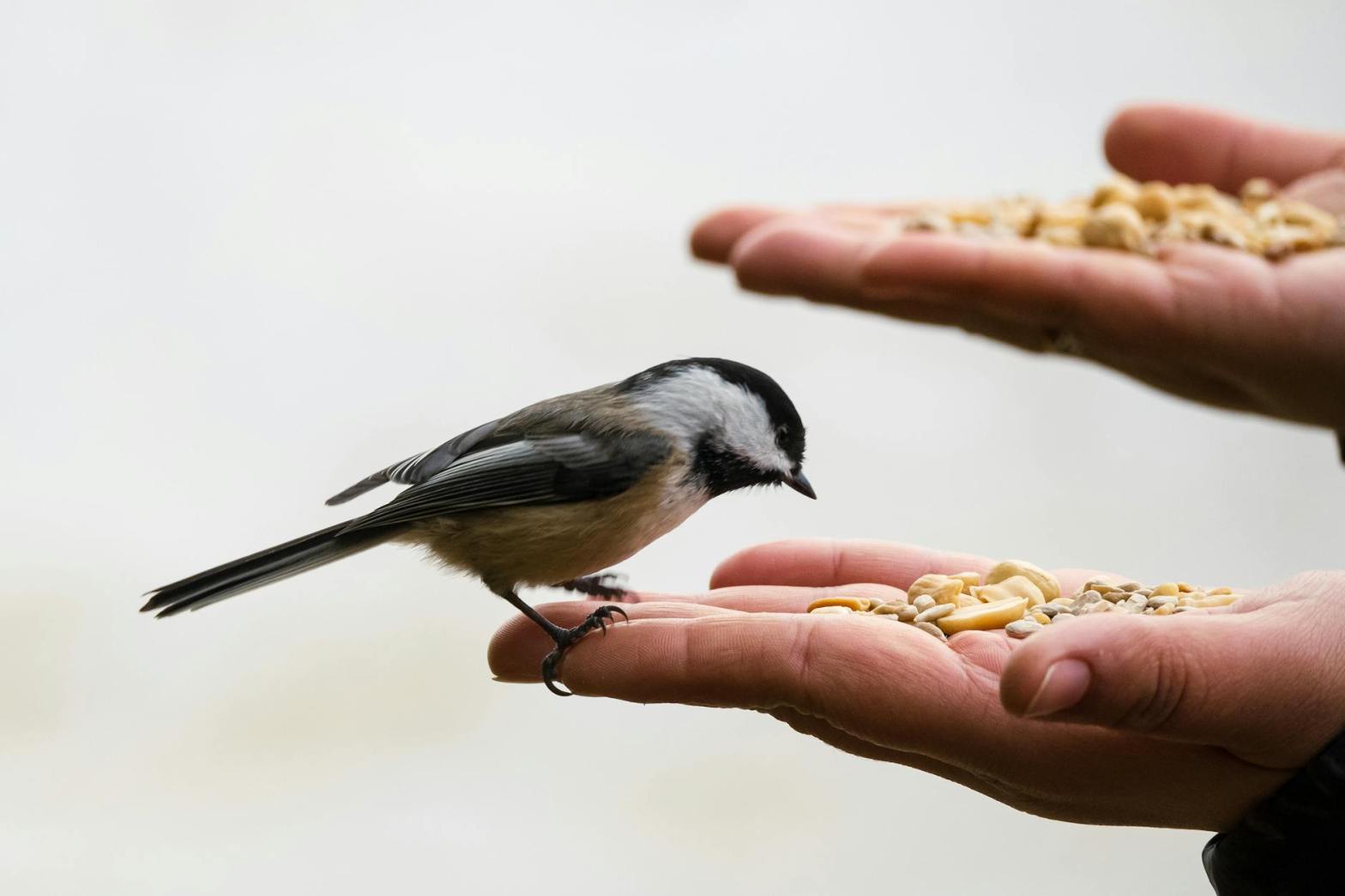
I’ve started keeping seed out: black oil sunflower for the finches, millet for the juncos, safflower for whoever shows up hungry. I’ve learned the cardinals come early, or not at all, and the chickadees, will take from my palm if I hold still long enough, forget I’m a person, remember I’m part of this. I know who sings at dawn and who calls at dusk. The mourning dove’s hollowed song carries just right in the slant of late afternoon, and the blue jay, that loud-mouth bully, still gets first pick. There was a time I never noticed, when the world was only noise and hurry. But I’m changing with time— drawn closer to the ground, to the pulse of wings and seed and song. Sometimes I talk to them like neighbors, like old friends. And sometimes, yes, I cry, when the hummingbird shows up again, because I thought it gone for good.
Sam Aureli is a design and construction professional, originally from Italy, now calling the Boston area home. A first-generation college graduate, he’s spent decades immersed in concrete and steel. Poetry is what truly feeds his soul these days. With retirement still a decade away, Sam balances the grind of his day job with the refuge he finds in writing. His work has appeared in The Atlanta Review, West Trade Review, Underscore Magazine, Chestnut Review, Stanchion Magazine, and other literary journals.
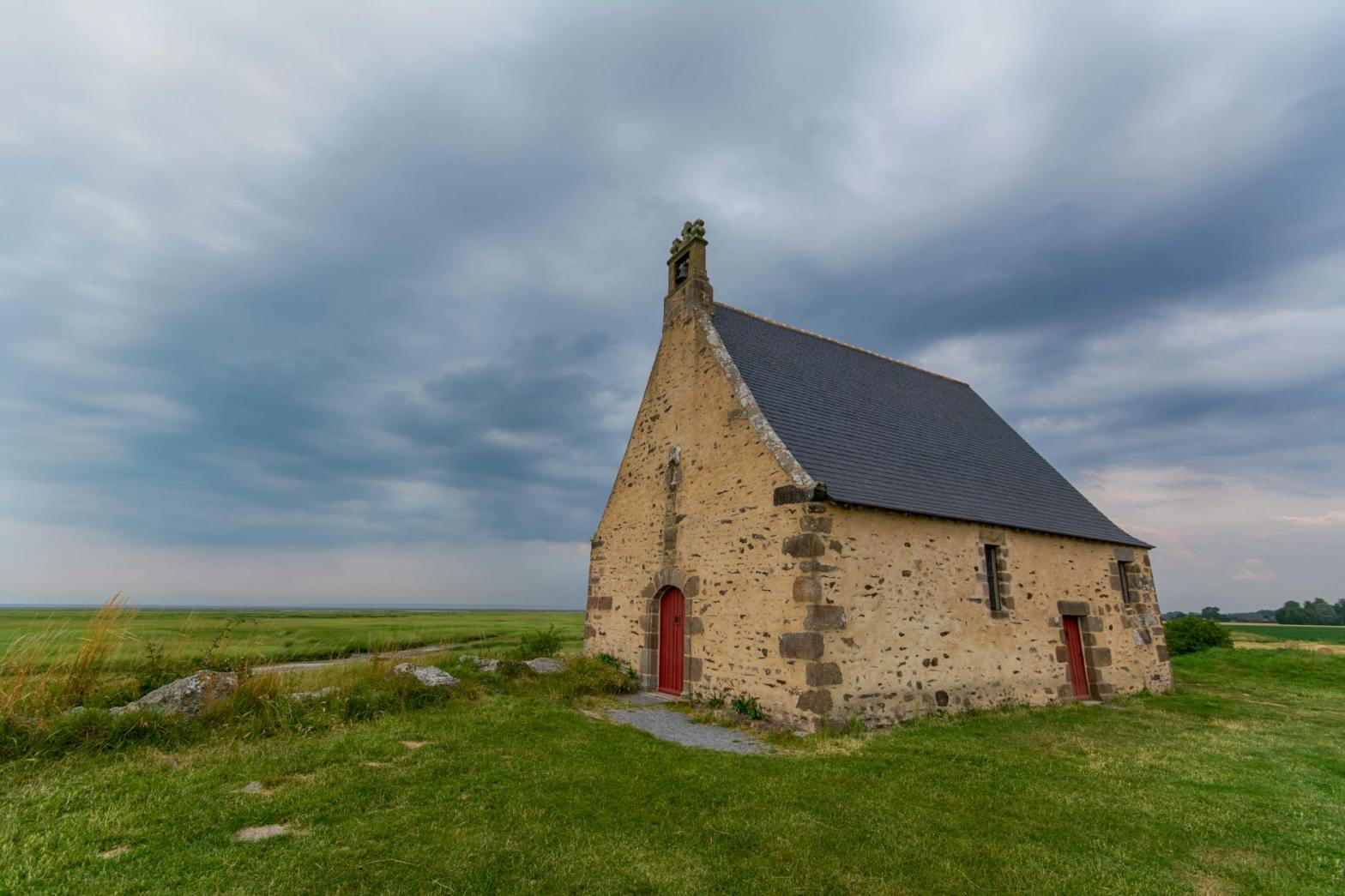
Climbing stone steps to the chapel, I stumble, Bruising my palms as I try to break my Fall and fail. Gingerly, I get to my feet, knees and ego bleeding. Embarrassed, I look about for witnesses to My clumsiness, but find I am alone.
Then, suddenly, I laugh aloud at the perfection of Metaphor. Walking upwards, seeking Enlightenment, how often I Stumble, fall, writhe in my contrived concern for What others might think, then, Tentatively rise and journey onward in solitude, Toward the Divine.
Deborah Sage lives in Louisville, Kentucky. She has been published in Eternal Haunted Summer, Fairy Tale Magazine, Literary LEO, the 2022 Dwarf Stars Anthology, All Shall Be Well: new poetry for Julian of Norwich, Eye to the Telescope, Lothlorien Poetry Journal, and Ephemeral Elegies among others. She was the poetry judge for the 2025 Fairy Tale Magazine Prose and Poetry Contest.
Where does God hide the cache Of love and mercy? Does he stash it under a bushel basket, Or is it buried deep In our fleshy soil? The earth is a deathly blanket, That warms us in preparation For the devil’s glance. He Doesn’t hide but puts all his Purloined cards on the table. He is shrewd, catches us Flat-footed while we are In the stand-by line for that Banned substance---grace. Perhaps, if we had a metal detector, We would find this treasure.
Wayne Bornholdt is a retired bookseller who specialized in academic works in religious studies and theology. He holds degrees in philosophy and theology. He lives in West Michigan where he works on improving his tennis game and writing.
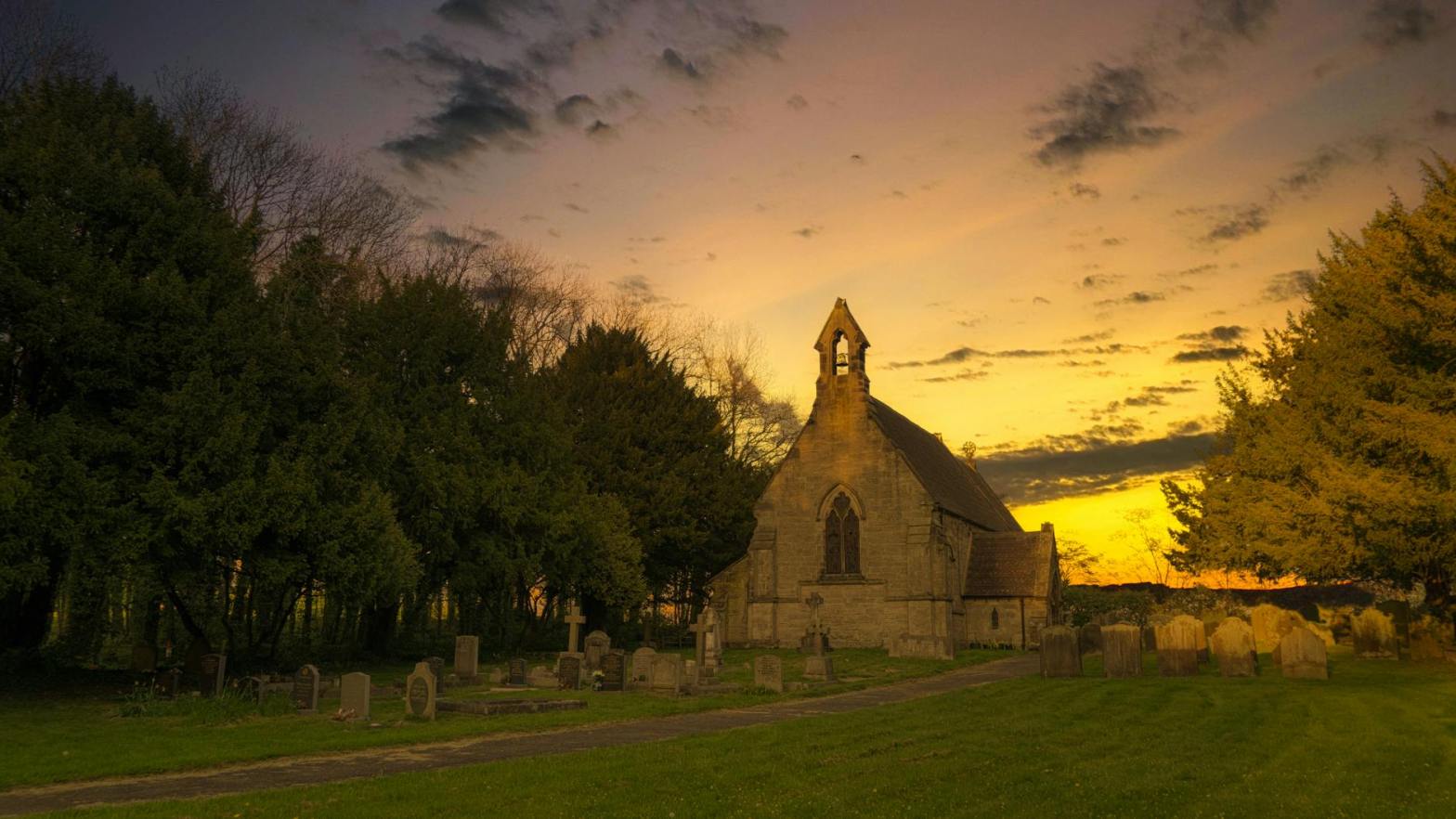
How long has this been a place of faith? Even the path up from the roaring shore Exudes mystery, and the steps are steep, up a narrow path that leads to nowhere.
But at the top the ancient sea worn stones, their carvings moulded by the wind to lumps and blebs, are older even than the ruined walls that once was their comfort.
The ruin may be roofless and crumbling but one wall, the west wall has been rebuilt, sequestered by the Family of hereabouts to be the east wall of their vault.
Their chapel holds their memories, and their bones. The ancient faith is kept by ancient stones.
Edward Alport is a retired teacher and proud Essex Boy. He occupies his time as a poet, gardener and writer for children. He has had poetry, articles and stories published in various webzines and magazines and performed on BBC Radio and Edinburgh Fringe. He sometimes posts snarky micropoems on Twitter as @cross_mouse.
Because being here is contingent on not having been here, a choice, an inflection point:
Each thing takes us to the last, each imperfect thing resonating and ringing into the infinite beneath a patchy sky, a neglected cavern ceiling, a welcoming bower of imperfect limbs – imperfect things indistinguishable from that perfect thing. So love each thing.
And what choice is there? you may ask.
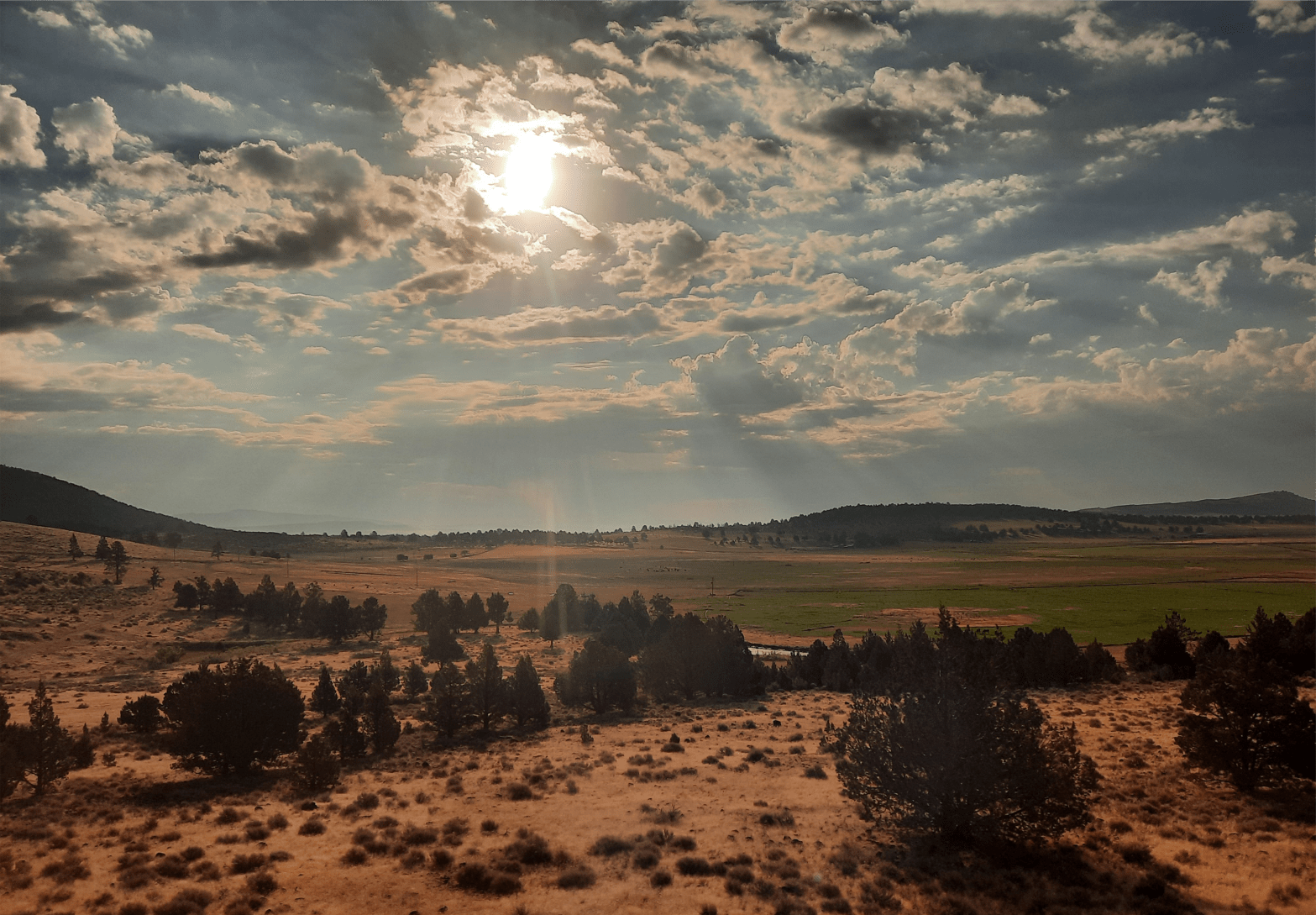
To deny this heedless beauty, regard it with skepticism and squinting into the gloom, forgetting that being here is contingent on living among vetches and sea lions and rockfall canyons whose trickles of liquid teem with waterbugs and paramecia that, like us, with us, found their way here from the vacuum – yet sensing that this might just possibly be a good thing, a thing to carry on, this living among and within.
So pausing, just now, to mull this proposition, to let it linger on the tongue: a thing to carry on, this living among and within.
Just for a moment — a breath, then another.
A breath, a breath, and the space between.
Jeff Howard lives in the Columbia River valley by way of the Allegheny River valley, the Connecticut River valley, and valleys beyond. His work, which reflects a Buddhist perspective on the continuum of consciousness in an era of ecological-tailspin-amid-ecological-belonging, is forthcoming in The Fourth River and has appeared in The Ecological Citizen, Consilience, The Thinking Republic, and Green Ink.



 Amethyst Review