Not up there, out there, somewhere separate from the reality around us.
Nothing foreign like some great power leaning over the universe
tweaking the force of fate, casually dispensing life and death.
Not the Other, a stranger to our nature but something that shares our Being.
I feel that great Familiar, the life force itself that wears us as its flesh,
holds us nearer than breath, as vital as blood and bones.
*from Wordsworth’s 'Lines Written above Tintern Abbey'
Sharon Scholl is a retired college professor (humanities) who convenes a poetry critique group and maintains a website of original music and poetry (www.freeprintmusic.com). She is a church musician still active at 90 as member of a piano duo. Her poetry chapbooks (Seasons, Remains, Timescape) are available from Amazon Books. Individual poems are current in Gyroscope Review and Rockvale Review.
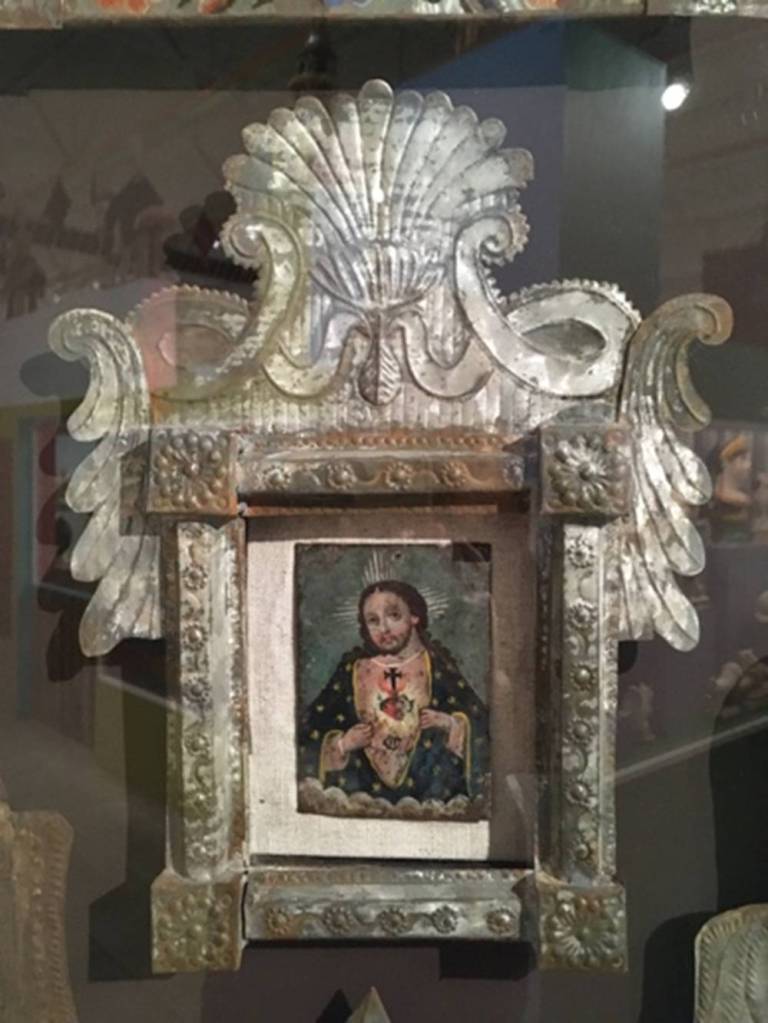
‘Sagrada Corazon de Jesus.’ Anonymous folk art, painted on tin; 5 x 3.5 inches; tinwork frame – Museum of International Folk Art, Santa Fe, NM.
Tin was called “the poor man’s silver.” Extracted from the earth, and labor-intensive. Whose labor though, and what earth? Tinwork goes back to the 16th century in Mexico. It was pounded, rolled, shaped, stamped, and cut with metal shears. Made into masks, mirrors. Also ex-votos, milagros, retablos, and this portable altar. Earthy, earthly bridge between the human and the divine. Personal. Private. Whose home held this object of devotion?
~
The frame is tin, and wondrously ornate. The humble metal from earth, once a flat sheet, is now lushly extravagant with plants, suns, and, abundant with decorative flowerings. I can’t help but think: pagan. How much of this came from the religion before?
~
At the center of a tiny painting, a man with long dark hair and a round face. Rays emanate from his head, above and to each side. He sits above cushiony clouds. His garment is the color of the night sky. Deep celestial blue emblazoned with stars of gold. His eyes were made large and dark, and his gaze meets yours. Whose hands took up the brush, the paints?
~
The man’s cloak is opened. He is naked beneath the garment, and yet he does not look away. His fingers are painted curled around the garment’s edge. This is not an accident. This is a gesture. The man’s hands part the garment and he shows you his heart. How can we nakedly meet another’s gaze? How do we reveal our hearts?
~
This is not the heart shape of the profane commercial world. It’s an anatomical heart, and the heart is bleeding. It’s pierced and wounded. It’s aflame, a heart for humanity I’m sure. But I think also for animals, plants – all of nature’s creaturas. It is a passionate heart, a passionate love. It’s called sacred. How do we find our devotion, reverence, sacrality, and for what.
Sally Miles paints, makes mixed media art and more recently, writes about art, spiritual experience and our relationship with plants. She has recently been published in The Ekphrastic Review.
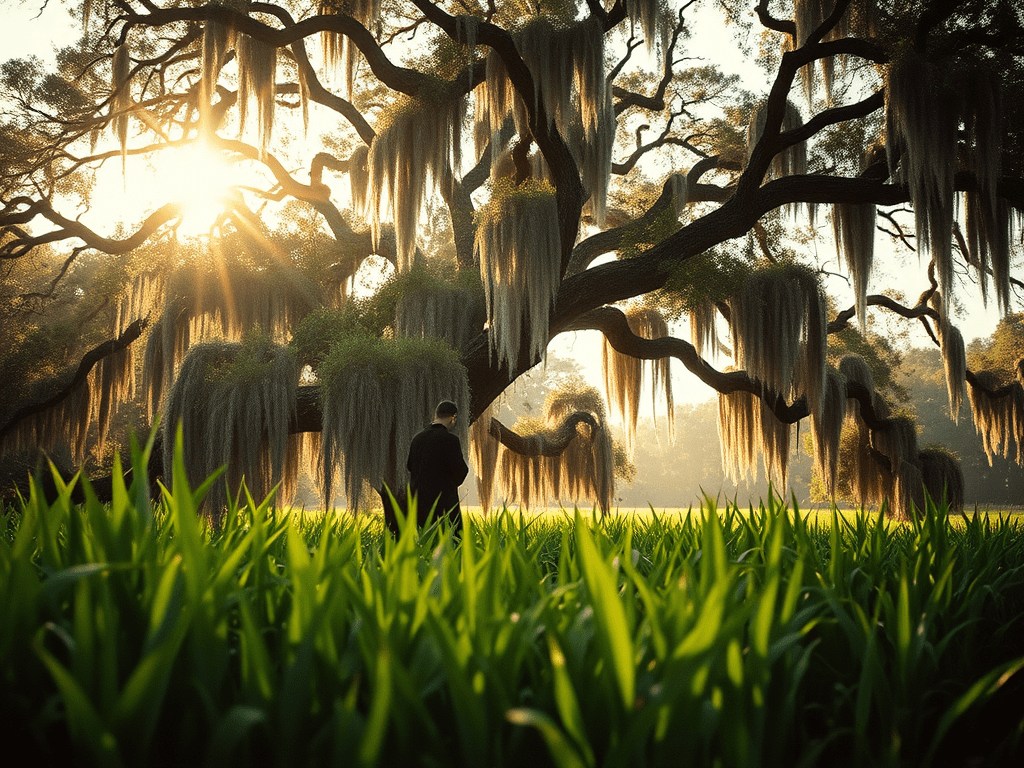
What shocked me was not the January snow that covered the live oaks, but that day in September that should have been brutal.
Walking by the bayou, you spoke of the leper the Lord made whole: told to show the priests though not to say where he had been.
You also recalled what the thinker said: when the risen Christ told Mary Magdalene not to touch, he was showing how presence and the need to verify it cannot coexist.
Turning back, I noticed the sugar cane was high. The heat had obscured the year’s lateness. I thought of calendars, lost your word.
As big trucks rolled past, you said accounts differ about where she was when he told her this, when he said noli me tangere, and it is very likely she was already clinging.
Chris Monier lives with his family in the Bayou Region of south Louisiana where he teaches French and English at Nicholls State University. He has published poetry, literary criticism, and translations of several French-language writers.
Neither grief nor belief serve me. A tap-dance around doubt, never a curtsey.
To differentiate between prayer and a prayer’s answer provides me a thud…
Heartache in a vacuum throbbing amid both contrition and infinity
of faith—every soul’s footnote for forever. Apparition fraught or ashes wrought,
the imaginable beckons, as a dial on a radio makes it easy to rescue
golden oldies with a twist. Their renewed soundtrack bolsters
a vigorous voice eager to craft questions coiled in my cranium, earning answers
without cliché, not passé— You’re Out of Order / Your Ship has Sailed,
or Your King is Dead…Checkmate! Perpetuity probes my failed certainties.
I listen for further instructions…eyes and ears encouraged by a next step beyond Stalemate.
Sam Barbee‘s most-recent collection is titled Apertures of Voluptuous Force (2022, Redhawk Publishing). Three previous collections include That Rain We Needed (2016, Press 53), a nominee for the Roanoke-Chowan Award as one of North Carolina’s best poetry collections of 2016. Also, Uncommon Book of Prayer (2021, Main Street Rag) which chronicles family travels in England.
His poems appeared recently in Poetry South, Salvation South, Dead Mule School of Literature, and Streetlight Magazine, also upcoming in Cave Wall, among others; plus on-line journals Ekphrastic Review, Verse Virtual, Grand Little Things, and Medusa’s Kitchen; and is a two-time Pushcart nominee.
Poem to Be Read If It’s Night Where and When You Are Right Now


My advice? Stay up later: it’s not late enough
unless the moment feels—with a tiny twinge
of fight-or-flight-or-freeze—too dangerous
for wakefulness, unless you get a sudden shiver

energizing along your nerves, a shocking
bolt of electro-jolt realizing what concocted
hour, minute, second you find yourself in since
units measuring moments are human made,

are totally tied to our far-out Sun-revolving rock,
are relative to each earthling, so no one tells
the same time as another. When it’s then, go
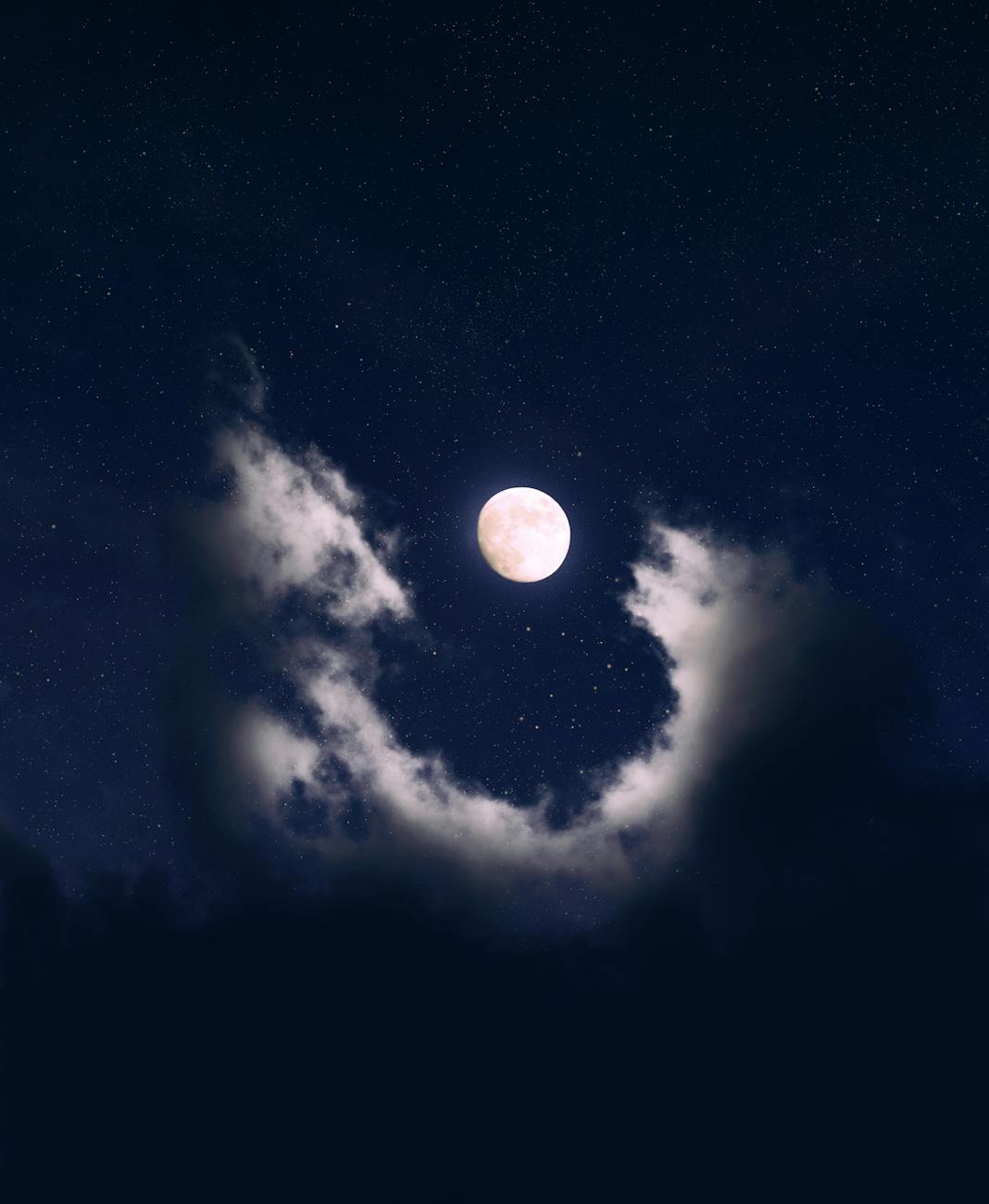
outside and stare up at the Moon (or the place

in the sky where it should be) beside intergalactic
spangles, and count your lucky stars, and hold
your breath, and take a blink of comfort, aware
you’ll need to give our Cosmos comfort in return.
Matt Zambito is the author of The Fantastic Congress of Oddities (Cherry Grove Collections), and two chapbooks, Guy Talk and Checks & Balances (Finishing Line Press). Other poems have appeared in Poetry International, North American Review, Writers Without Borders, and elsewhere. Originally from Niagara Falls, he has lived in Ohio, Idaho, and Washington. He now writes from Wilson, New York.
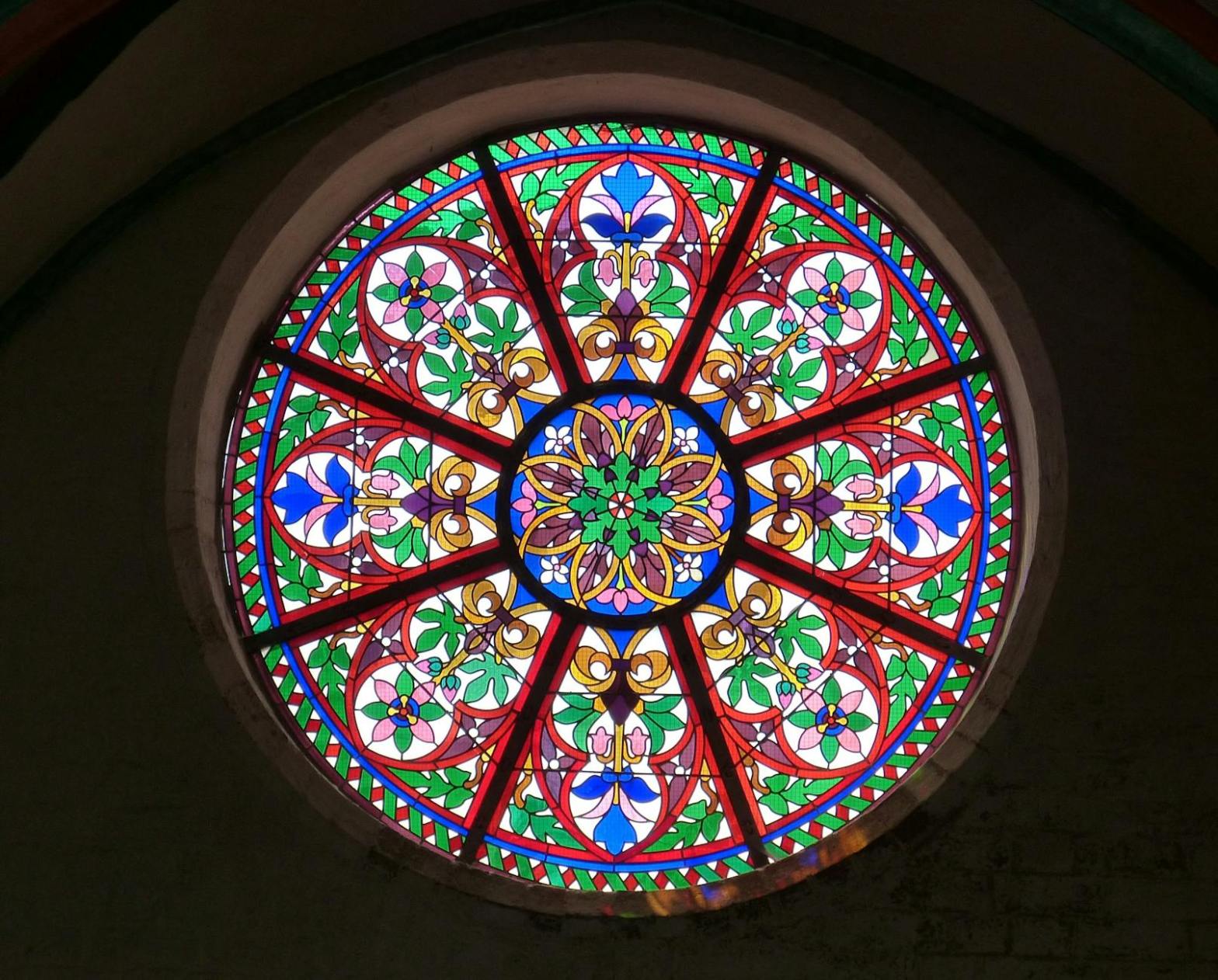
I make a chapel of the pupil: a round nave where light kneels through a pinhole, contrite and clear. The slit lamp hums its psalm, fluorescein flares like incense on the corneal altar.
A child’s eye opens, a stained glass rose: green shard, gold flicker, a moving parable of sight. The retina waits, patient and merciful, to turn radiance into record, illumination into proof.
There is confession in the flash: the cataract’s slow surrender, a scar’s pale Amen. Outside, the hospital hums like choir practice; inside, a single pulse translates light to vision, vision to memory, memory to grace.
When I step back, gloves powdered with light, the child blinks, astonished by color: a face, a wall, a blue coat, the world restored by filament and faith. I close the instrument, whisper thanks to the small, unwavering cathedral that lives inside us all.
David A. Lee is physician and an emerging poet based in Houston, Texas, whose work explores memory, human connection, and the liminal spaces between perception and reality. He holds a background in medical science and philosophy, bringing a reflective and inquisitive lens to his writing. His poetry draws inspiration from both contemporary and classical literature, emphasizing vivid imagery and emotional depth. His poems are forthcoming in Mobius, Eunoia Review, and Unbroken Journal. David is currently developing a collection of original poems examining time, identity, and place.
Dragonflies above the path, the alligator, and gar loitering beneath the bridge their bellies longing for prey. Side by side, piece by piece; this harvest of land
that begs to be seen, the mighty oak and cypress, tupelo, and pine a cathedral of silver shadows, shimmering in dewy sunlight. The reach of men to factor
in the wealth of nature’s story; the glories of God where falcons climb, and eagles soar and naturalists speak of sightings-- the timber rattler and beaver; the red fox
the chalk board lectures a kind of fantasy. And lurking in the distance, in the far waters of Daufuskie and Buck islands the evergreen dreams of youth survive in the shadows.
No cars allowed. Eons of sediment, the ruins of settlers in tabby, and stone; oyster shells in the muck the countless insects, a mob of no see-ums, and hummingbirds quick as light.
Swallow, and gull, pelicans, and eagles dolphins in the tides, deer mingling at dusk; the marsh trembling with shrimp, and bass. The lost and forgotten towns, in the quarry of time;
the pillars of ancients, long quieted yet, somehow speaking from the ground. The Cree and Cherokee and their African brothers the whisper of sudden spirits, in the trees, still alive.
Keith Melton holds a Master’s in City Planning from Georgia Tech and a BA in Economics and International Studies from the American University. His work has appeared in Amethyst Review, Agape Review, Big City Lit, Compass Rose, Confrontation, Cosmic Daffodil, The Galway Review, The Lyric, Kansas Quarterly, The Miscellany, Monterey Poetry Review and others.
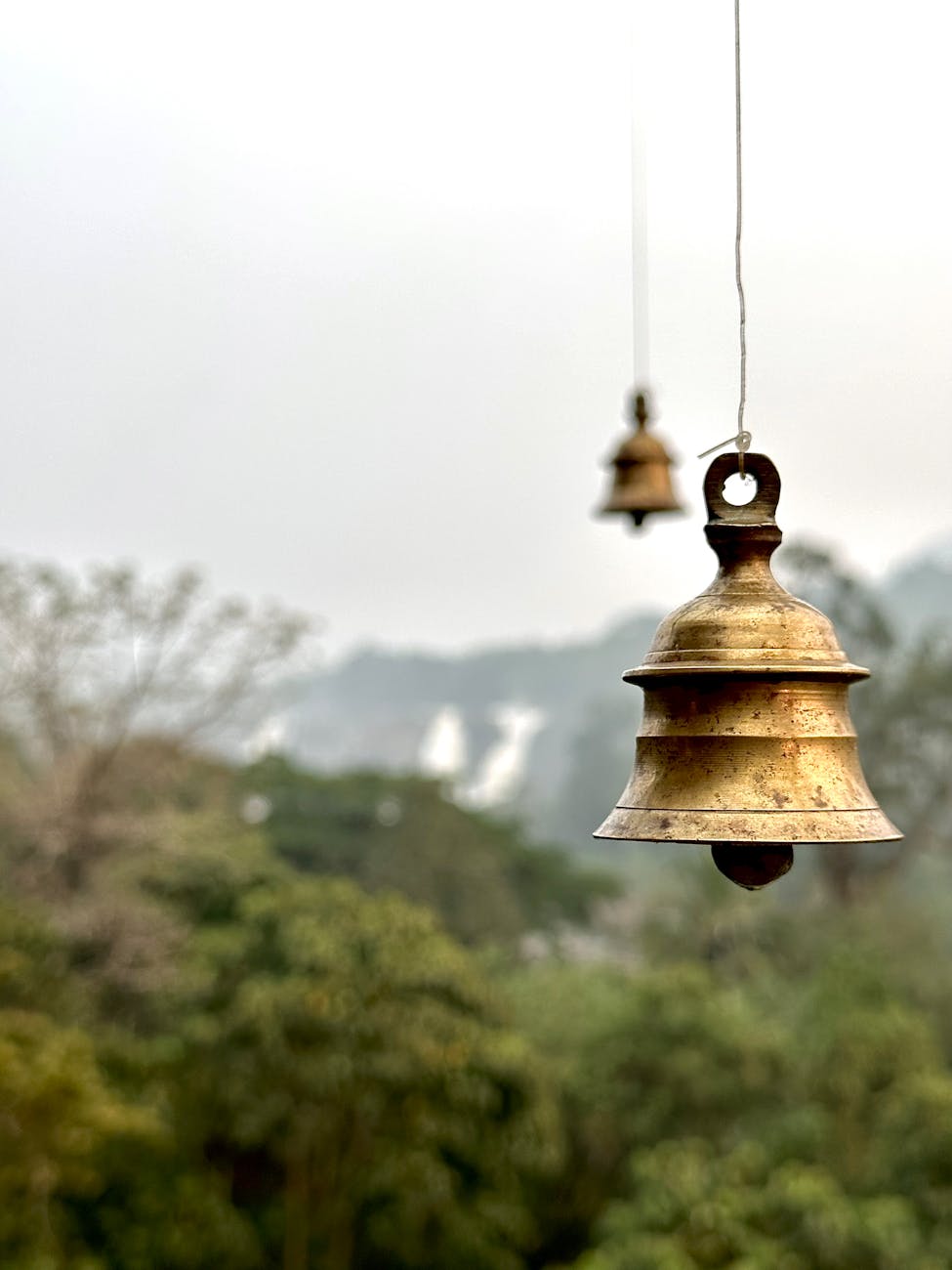
Temple bells die out. Fragrant blossoms remain. A perfect evening. —Basho
Long ago in some forgotten temple where time is measured by the tide, the bells keep chiming, chiming: die before you die, before the tide, the final tide, goes out.
The orchards on the temple grounds so fragrant, year in year out, until one spring no blossoms. Memories, memories, only they remain. What was that fragrance? It started with an a—
Memories fade—but now, this now is perfect. Acacia blossoms! Déjà vu—this evening.
John Whitney Steele is a psychologist, yoga teacher, assistant editor of Think: A Journal of Poetry, Fiction and Essays, and graduate of the MFA Poetry Program at Western Colorado University. A Pushcart Prize nominee, his poems have been published widely. His two collections, The Stones Keep Watch, and Shiva’s Dance, were published by Kelsay Books. John lives in Colorado and enjoys hiking in the mountains.
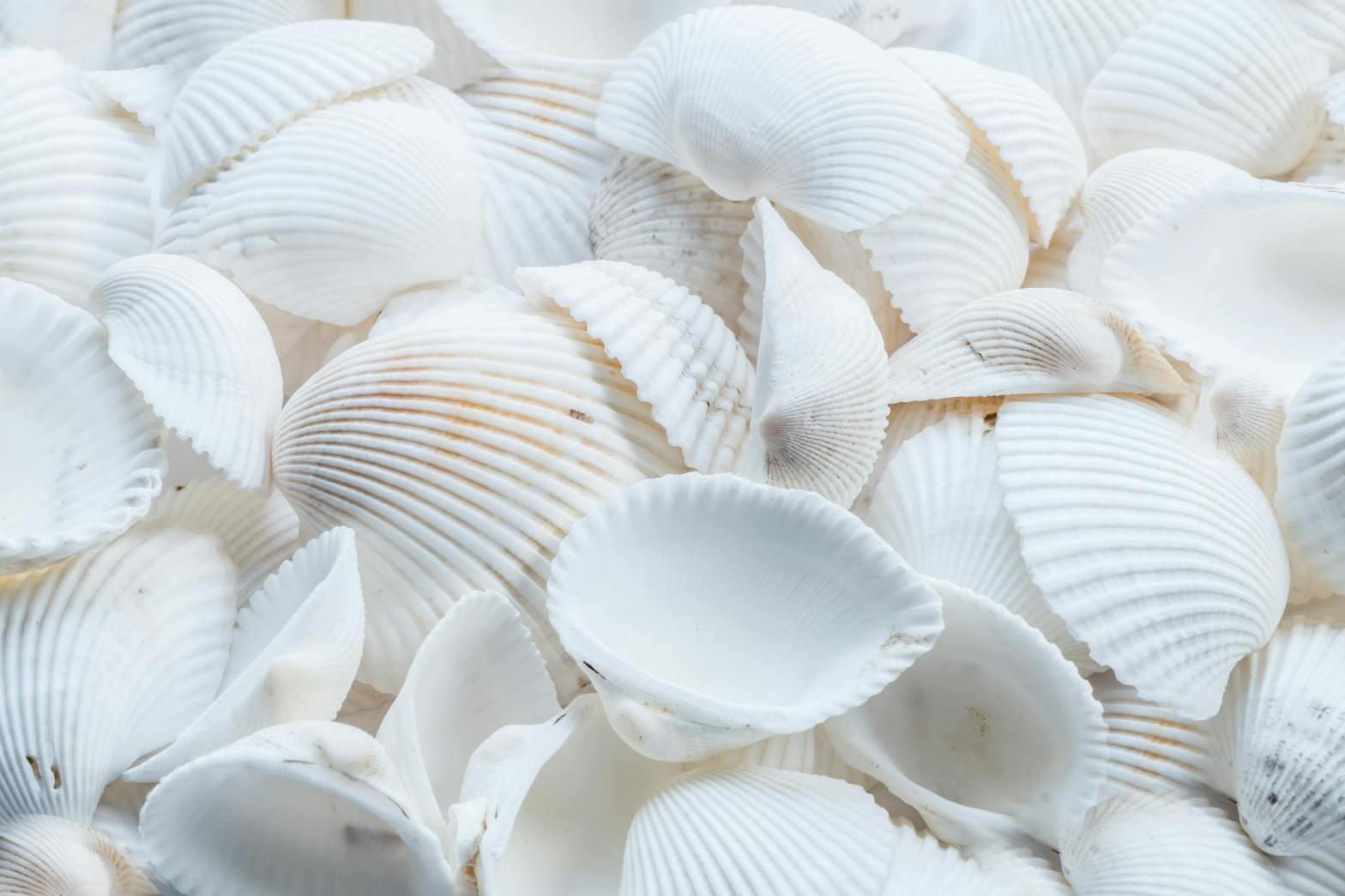
Kept shells gathered in Gulf Shores rise from my nightstand mist squallish dreams in saltwater. As hailstones pelt my window pane, I taste ocean spray, ebb to decades ago sea coast; the loon we rescued is airborne in flight, soars free.
Jennifer Susan Smith, a retired speech-language pathologist, resides in Rock Spring, Georgia. Her work appears in The Mildred Haun Review, Appalachia Bare, Troublesome Rising Digital Anthology 2025 Collection, and Sunflowers Rising: Poems for Peace Anthology, among others. She holds membership in Chattanooga Writers’ Guild, Poetry Society of Tennessee, and Georgia Poetry Society, and serves as chairman of Alpha Delta Kappa Pages and Pearls Book Club. Jennifer earned a Master of Science Degree in Communicative Disorders from University of Alabama, an Educational Specialist Degree in Curriculum and Instruction from Lincoln Memorial University, and a Creative Writing Certificate from Kennesaw State University.
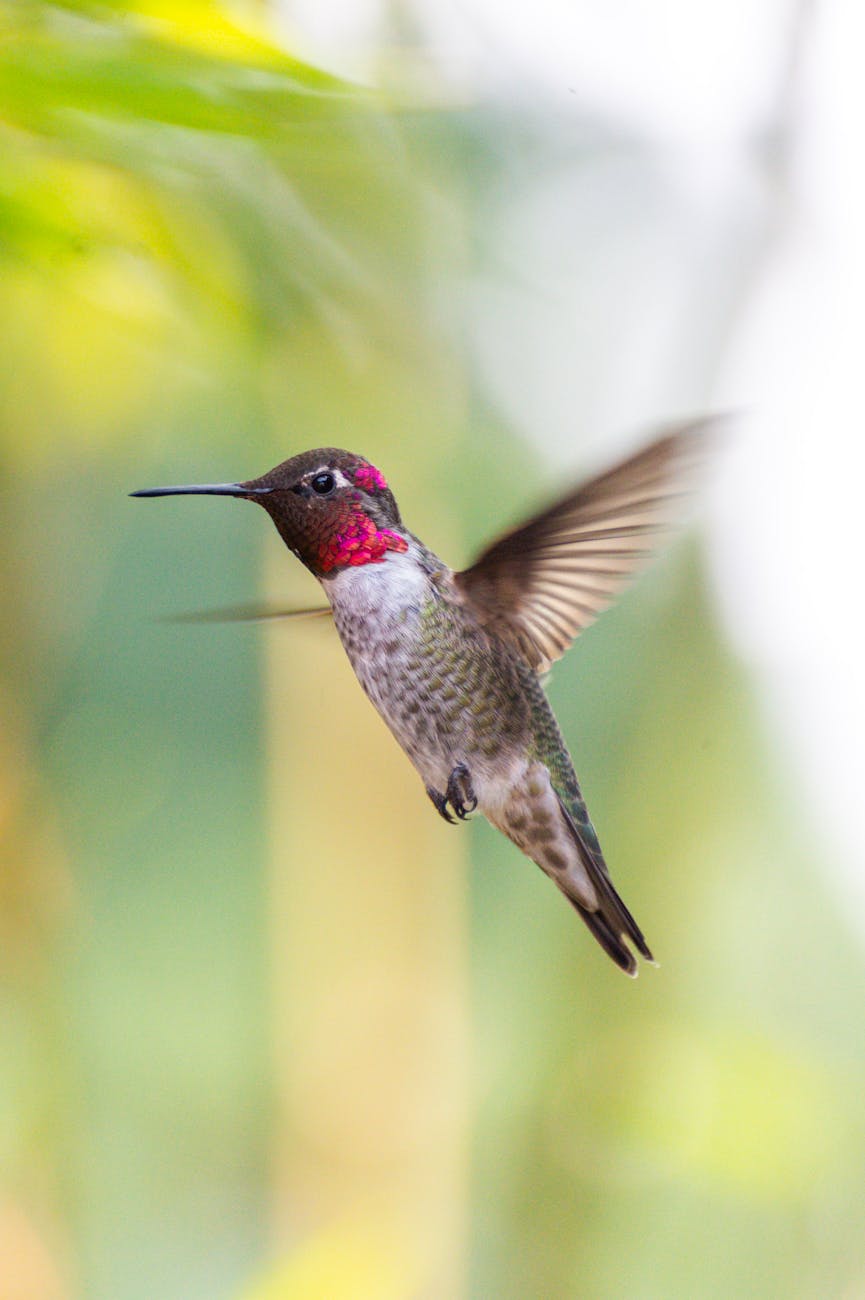
Because the birth of this Earth is nothing more nor less than miraculous, I’ve placed a pot of red impatiens on the deck next to the red feeder full of sugar water—both for the Ruby-
throated hummers who spend summers here with me. For the Downy wood- peckers and wrens, I’ve inserted a suet cake into the wire basket. And for the finches, I’ve hung up
a thistle sock on one buddleia limb. Now I wait, anticipate their arrival, praying for everyone’s safe passage and survival.
Beyond the realities of climate crisis, genocide, ongoing colonialism, political division, I make the decision to celebrate my sense of kinship
with all that exists. This is how to endure these dark times: Focus on one Yellow-shafted Flicker pecking about
on the lawn. Before long, you’ll forget everything else as you watch him/her grazing and finding just enough sustenance for her existence.
As for my own, only when I glimpse life’s sacredness revealed in non-human creatures, do I sense the Creator’s presence,
and ascend into the hill of the Lord to be absorbed by His/Her holiness as I witness one tiny Blue worshipping at the honeysuckle.
Diana Woodcock has authored seven poetry collections, most recently Reverent Flora ~ The Arabian Desert’s Botanical Bounty (Shanti Arts, 2025), Heaven Underfoot (2022 Codhill Press Poetry Award), Holy Sparks (2020 Paraclete Press Poetry Award finalist), and Facing Aridity (2020 Prism Prize for Climate Literature finalist). A three-time Pushcart Prize nominee, she received the 2011 Vernice Quebodeaux Poetry Prize for Women for her debut collection, Swaying on the Elephant’s Shoulders. Currently teaching at VCUarts Qatar, she holds a PhD in Creative Writing from Lancaster University, where she researched poetry’s role in the search for an environmental ethic.



 Amethyst Review