In a Darkening Sky – a poem by Jacqueline Jules

In a Darkening Sky

The sun peeks through
a gray wool sky
like a shutter
opening in a camera.

There’s a sense of something
bright behind the cloud cover,
something worth standing
in place until my breath returns.

Swallowed beneath,
all I want is the chance
to keep staring at the light
pouring through a single hole
in a darkening sky.

Jacqueline Jules is the author of Manna in the Morning (Kelsay Books, 2021), Itzhak Perlman’s Broken String, winner of the 2016 Helen Kay Chapbook Prize from Evening Street Press, and Smoke at the Pentagon: Poems to Remember (Bushel & Peck, 2023). Her poetry has appeared in over 100 publications. Visit her online at http://www.jacquelinejules.com.

The Catholic-born Buddhist Recounts Visiting Angkor Wat – a poem by Lynne Kemen

The Catholic-born Buddhist Recounts Visiting Angkor Wat 

Exhausted from the long flight, we rise early. We sigh
when we finally see the abbey. Time has stopped,
leaving us frozen in a pocket.

The monks go about their business. They don’t
pay attention to the tourists–even the faithful.

We each struggle in this finely-made net. This morning,
an egg-white omelet. No begging bowl for me.
The paper cut from my last day before leaving New York
City throbs in time with my pulse.

I traded the God of my youth
for Buddha, and yet believe
I should cross myself
in this sacred space.


Lynne Kemen’s full-length book of poetry, Shoes for Lucy, was published by SCE Press in 2023. Woodland Arts Editions published her chapbook, More Than a Handful, in 2020. Her work is anthologized in The Memory Palace: an ekphrastic anthology (Ekphrastic Editions, 2024), Seeing Things and Seeing Things 2 (Woodland Arts, 2020 and 2024). Lynne is President of the Board of Bright Hill Press and has served on many other not-for-profit boards. She is an Editor and Interviewer for Blue Mountain Review. She is a nominee for a Pushcart Prize (2024).

Umbrellas – a poem by Mark James Trisko

Umbrellas

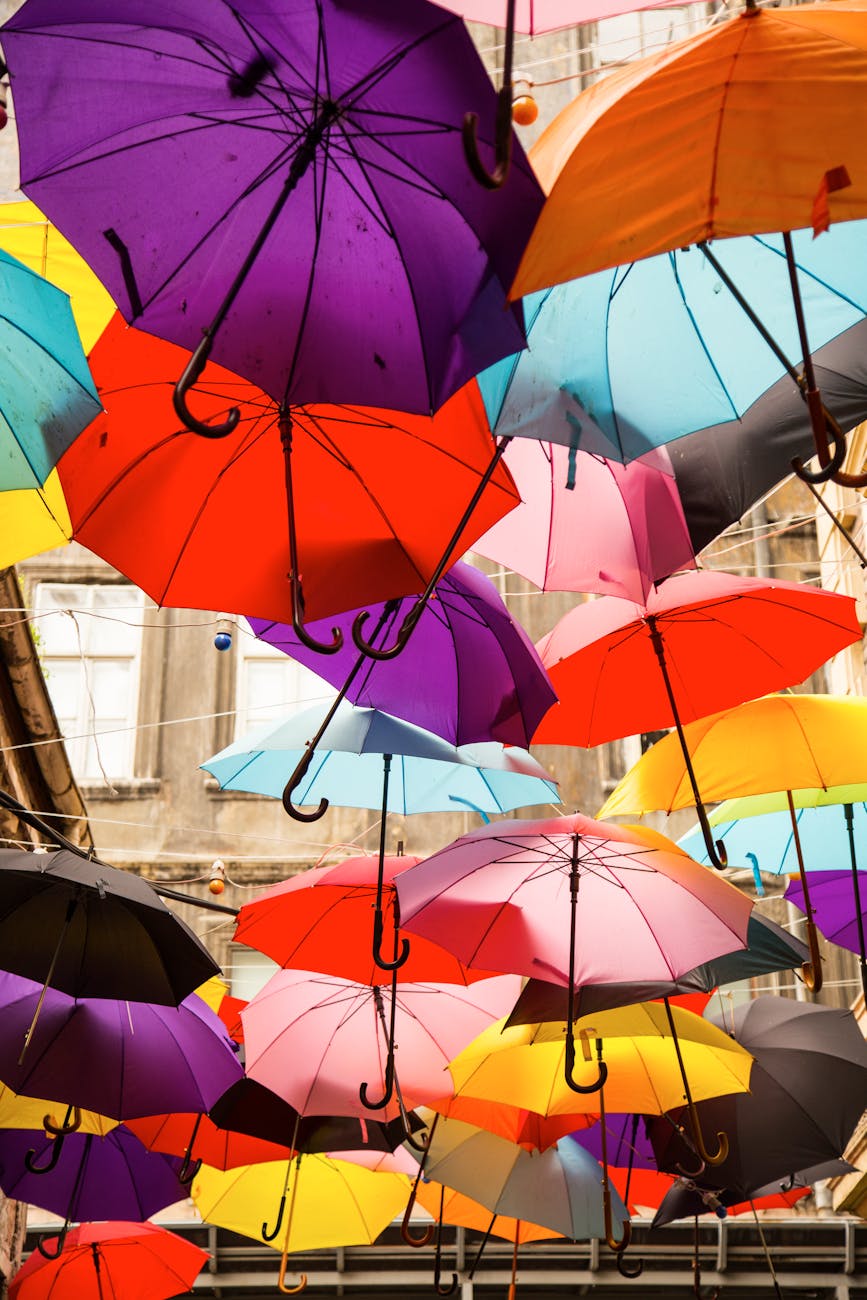
Hundreds of multi-colored umbrellas float above our heads
red, green, yellow, and blue dots of vivid sight
arranged in a kinetic mosaic of nylon and steel
a colonnade of color filling the sky

my friend and I are not fully protected in our wandering below
as we saunter from sidewalk to curb and back again
from restaurant to shop to gallery
separate and alone within the whole

the lazy rain drips through the many cracks
through the voids around and between each one
the umbrellas are singular and apart, but the same design
within the space formed by this artistic installation

each an integral part of the overall creation
where they all tip and bounce in the wind
with their handles, like the letter j
twirling, spinning in every direction

all higgledy-piggledy
as if they cannot make up their minds
or are unable to control the frenetic motion
that has been instilled by the artist

my capacity for emotion is infinite
but there is no longer room for animosity
no room for dissension as to which
of the umbrellas has an appealing hue

an agreeable orientation or shape or size
and which one displeases or dissatisfies
there is no purpose in sustaining such philosophies
it is not my right to make that choice

at my age, differences can bring disappointment
but they are not a sign of failure or defeat
we are not separated from grace for being made of flesh and bone
we are accepted with all our fragilities

the lonely ship to the isle of judgement is ready to sail
the innocent and the deserving few without sin
are permitted on board, but I will not be on it
I must have mislaid my ticket

while walking with my friend
down the dampened street together, arm in arm
underneath that rainbow umbrella promenade
on a cloudy morning in the chill of October

After retiring recently, Mark James Trisko heard his muses yelling loudly in the night, begging him to let their voices be heard. His work has appeared / will appear in Valiant Scribe Literary Journal, Spirit Fire Review, Amethyst Review, As Surely As the Sun, The Penwood Review, St. Katherine Review, and Austur Magazine. He currently lives in Minnesota, with his beautiful spouse of 47 years, four wonderful children and eight above-normal grandchildren.

Imperative to Feel in Place on Earth – a poem by Brian Palmer

Imperative to Feel in Place on Earth


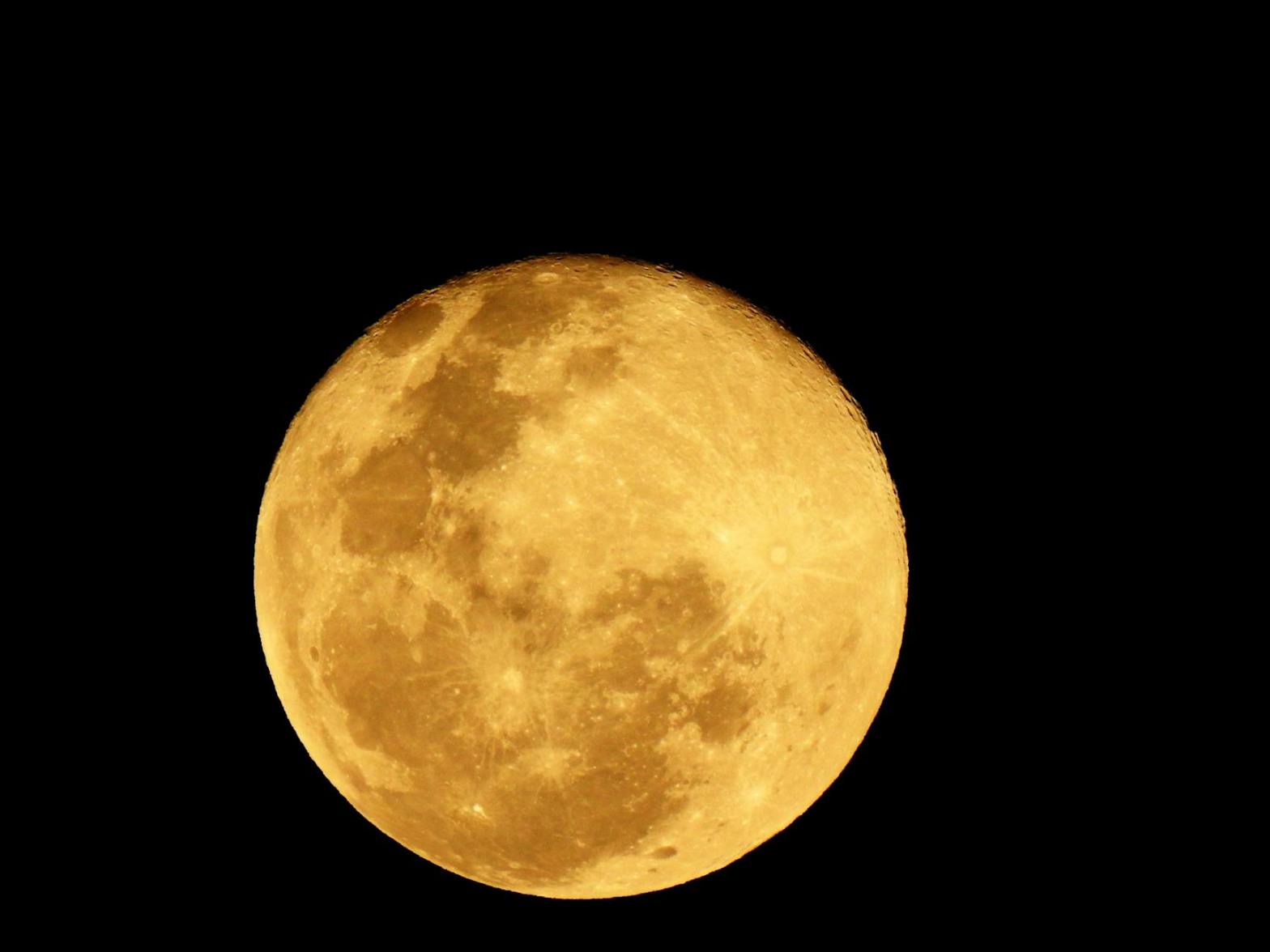
See the moon, rotation-borne,
rise from the earth that’s lined with seams
of smoky quartz, smoldering under
the husky orange of oak-leaf windfall.

Watch the golden harvest moon,
an acorn once, lift and exchange
its heavy earthly state for something
smaller, light, essential, white.

Hear leaves rustle, drop, and rattle—
on earth, all falls, and falls to earth—
while the soundless moon sails up
above the weary blue-black hills.

Bear witness to the seasoned earth,
and like all mortal things, embrace
a moment in your fear-curled body
thoughts of decay and moonlessness.

Succumb and die and lie still, finally.
But at the last become a seed
pressed into coming April mud,
then break through earth and as the moon,

rise in situ from the turning
earth, the earth you thought would claim
your stony heart. Take root. Lift moonward.
Be unafraid to fall again.

Brian Palmer is a retired English teacher and now pursues full-time his interests in studying and writing poetry, inspired by the natural environments of the West and Pacific NW. His recent poetry collection, Prairiehead, was released in the fall of 2023 with Kelsay Books. He is the editor and publisher of THINK: A Journal of Poetry, Fiction, and Essays. He currently lives in Juneau, Alaska.

Brother Lavender – a poem by Rachel Dacus

Brother Lavender

Remember that when you leave this earth,
you can take nothing that you have received...
but only what you have given.
– Francis of Assisi


I’m steeping in it now, growing bushes in pots,
brushing my teeth with lavender flavor,
tucking sachets in every drawer
nestling it under underwear.
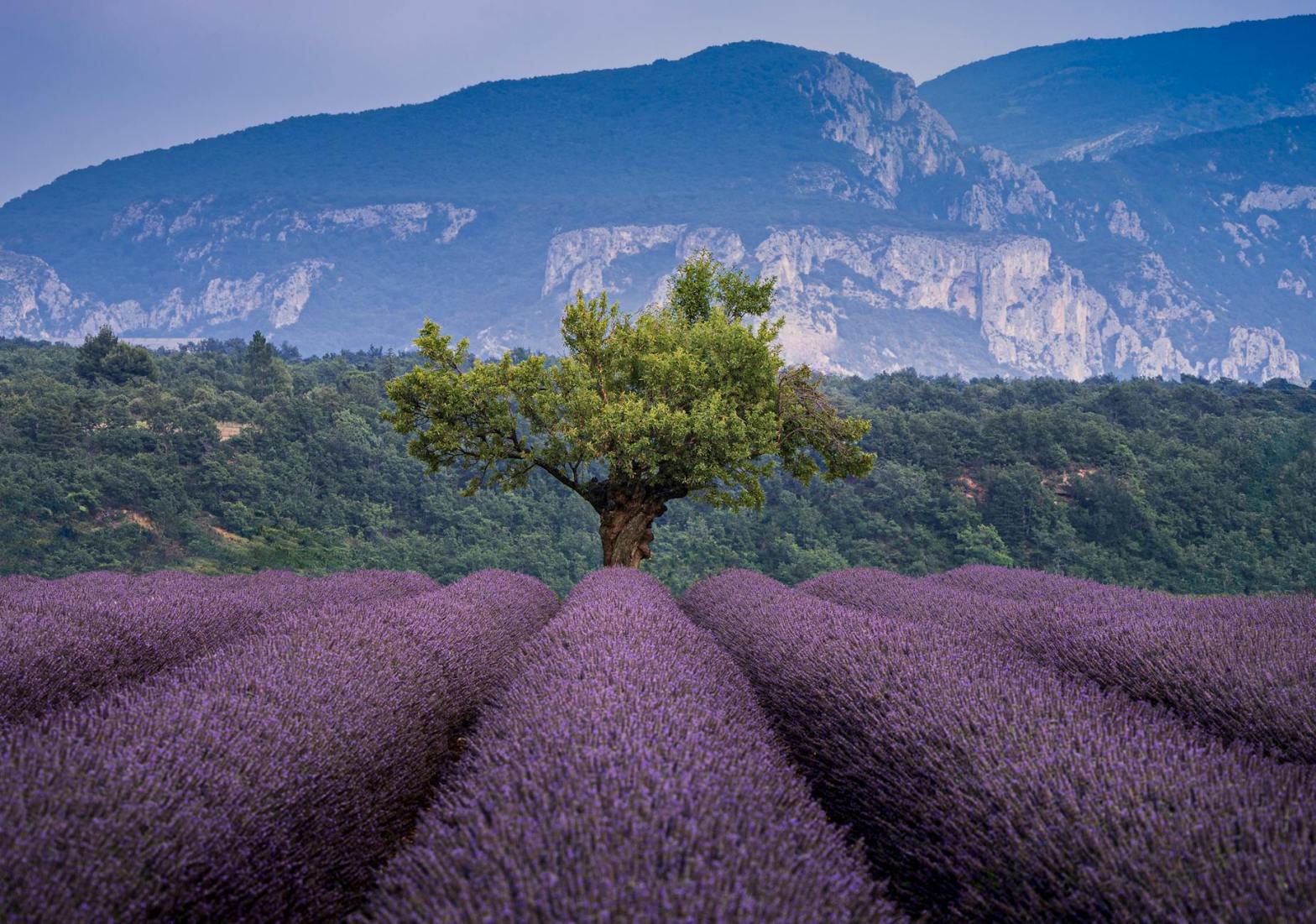
It’s with me, that lavender hillside
in Italy, humped rows parted
by a tractor’s billowing dust.

My laundry is redolent of Italy,
like candied flowers around a dessert.
I met Brother Lavender in a man sitting
on a sunlit ledge beside the church.
He was selling bags of flowers to tourists,
dressed like a hippie from the middle ages.
He was belled with bracelets
that jingled scant melodies
as he gestured to come and buy, holding up
a nose-gay. I came and leaned forward to smell
a burst of scent sudden and soft
as the pretty eyes of a giraffe.

He was a day out of time.
He offered me five for some uncountable
amount in Italian, then just gave me
the whole basket. I brought it home
on the plane, fragrance inhabiting my suitcase
and still carries me to a mountainside
and the portable longing for home
we all keep close, best answered
by spontaneous gifts
and answering anyone’s need.

Rachel Dacus is the author of seven novels and four poetry collections. Her poetry, stories, and essays have appeared in Boulevard, Gargoyle, Prairie Schooner, Eclectica and Image: Art, Faith, and Mystery. Her work is in Fire and Rain: Ecopoetry of California and Radiant DisUnities: Real Ghazals in English. She enjoys living in the San Francisco Bay Area, with its nature trails where she can walk to refresh her spirit and dictate ideas into her phone.

Saint Francis in Ecstasy – a poem by Paul Willis

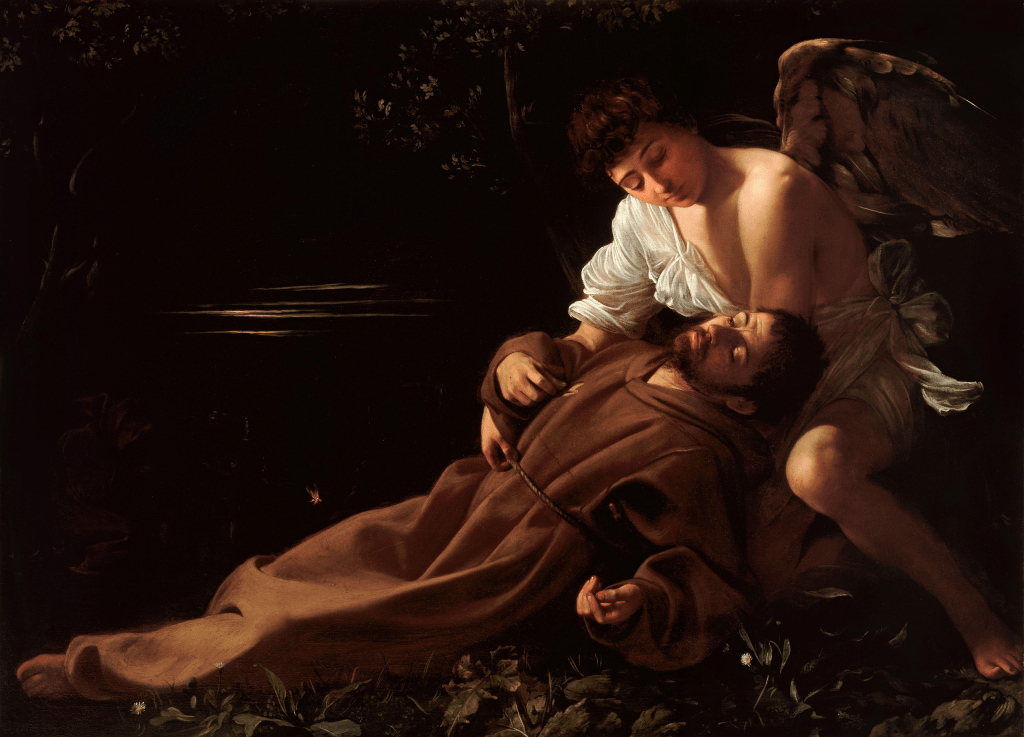
Caravaggio's Saint Francis in Ecstasy
Saint Francis in Ecstasy

after Caravaggio


The angel looks tenderly interested—
uncommonly so—in the sacked-out figure
of Francis gently supported in his arms.

Or maybe he is just patiently waiting
for this mortal to wake from his spiritual coma
so that he can depart on yet another appointed round—

rescuing the next pope from his cardinal sins
or plucking a child from a deep canal
outside a doorstep in Venice.

In any case, Francis' dark-haired, bearded head
lolls back in the swaddled lap of the divine messenger,
who in this instance has nothing to say,

Francis being, as he is, beyond sight or hearing
or sensation. And that rough brown robe of the earthy
saint, tied at the waist with a simple cord,

must be scratching those perfectly formed angelic thighs
in a most uncomfortable way. Forbearance,
though, is a heavenly virtue which shines in the light

like the bare shoulder of this visitor with the exquisite
bedside manner—the same shoulder that somehow sprouts,
from the back of the scapula, a dusky wing.

Paul Willis has published eight collections of poetry, the most recent of which are Somewhere to Follow (Slant, 2021) and Losing Streak (Kelsay Books, 2024). Individual poems have appeared in Poetry, Christian Century, Southern Poetry Review, and the Best American Poetry series. He is an emeritus professor of English at Westmont College and a former poet laureate of Santa Barbara, California, where he lives with his wife, Sharon, near the Old Mission.

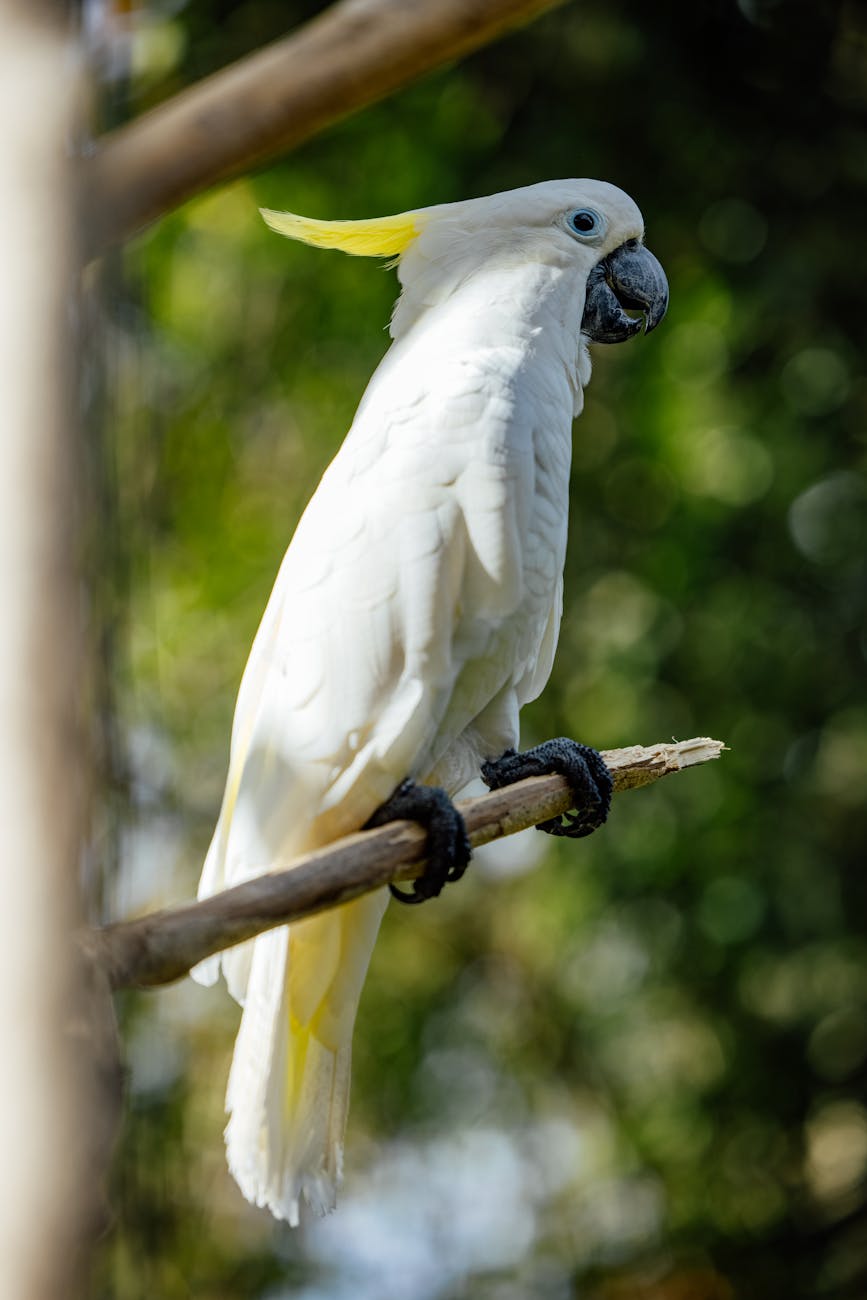
cockatoo – a poem by Anthony Lusardi

cockatoo

could i see my reflection
in its eyes
while in a cage
wearing a mini
homemade green sweater
over a self-plucked chest
as it watches
out the window
wasps and pearl crescents
competing
for all the garden asters
as elm trees absorb
the autumn sunset
into their golden leaves

Anthony Lusardi lives in Rockaway Borough, New Jersey, where he writes haiku and other poetry. He has been published in journals, such as Frogpond, Modern Haiku, hedgerow, dadakuku, NOON and Verse Virtual. He has four chapbooks, published by buddha baby press. To purchase copies, contact him through email at lusardi133@gmail.com.

And A Child Shall Lead Them – a poem by Maryanne Hannan

And A Child Shall Lead Them


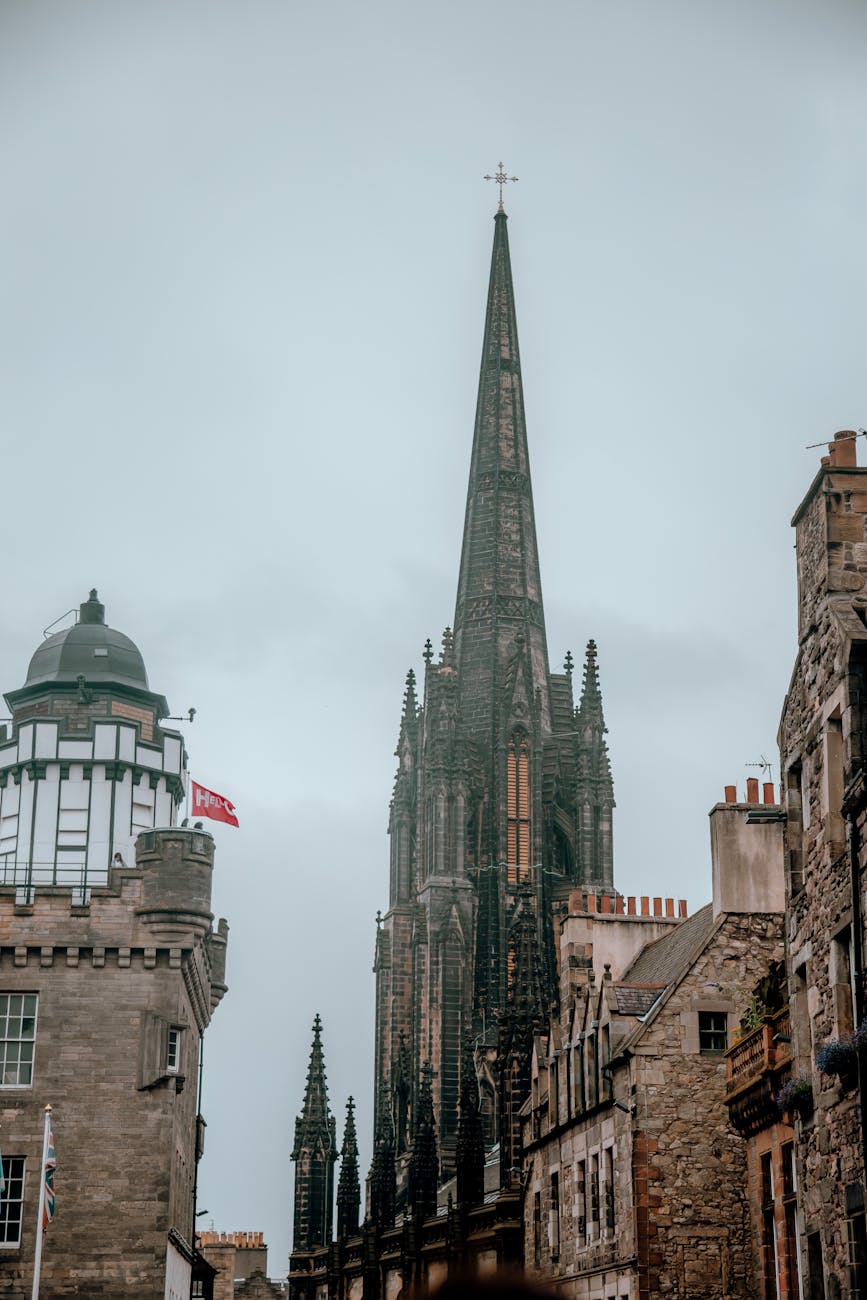
I. In Denmark we are Lutheran,
says the tour guide, repeating himself in German

for travelers who do not speak English.
This church, Grundtvigs Kirke, is very important.

Look at the bricks, ten million bricks used
and every one the best, the finest in all Scandinavia.

The church holds 1,000 people,

here he pauses conspiratorially,

but on any given Sunday, you will only find 27
.
We laugh. Do what’s expected.

II. Still there are Catholics in Denmark,
and the next morning I go to Jesu Hjerte Kirke,

Sacred Heart Church, where heads, not too many,
not too few, bend; elbows lean on old wooden pews.

And while the priest preaches in a language
I don’t understand: Was that Christos? Did he say Sin?

I keep wondering when Mass will end
so I can leave church, walk the downtown streets

again, search again for that perfect konditori, a bakery
with a trip-defining Danish pastry,

III. and then a baby screams, no reason, inconsolable,
prolonged, no remedy, a mother’s comfort worth

nothing, it seems, against the universal measure
of human heartache. And then I remember

why we use the finest bricks,
why we gather on old wooden pews,

how we come to hold the highest hopes
in the raised host, the Risen Lord,

and I pray that this child, so desolate today,
will someday count himself—among the 27.


Maryanne Hannan has published poetry in both All Shall Be Well: A poetry anthology for Julian of Norwich and Thin Places & Sacred Spaces. A resident of upstate New York, USA, she is the author of Rocking Like it’s all Intermezzo: 21st Century Responsorials.

Seagull Church – a poem by April Lynn DeOliveira

Seagull Church

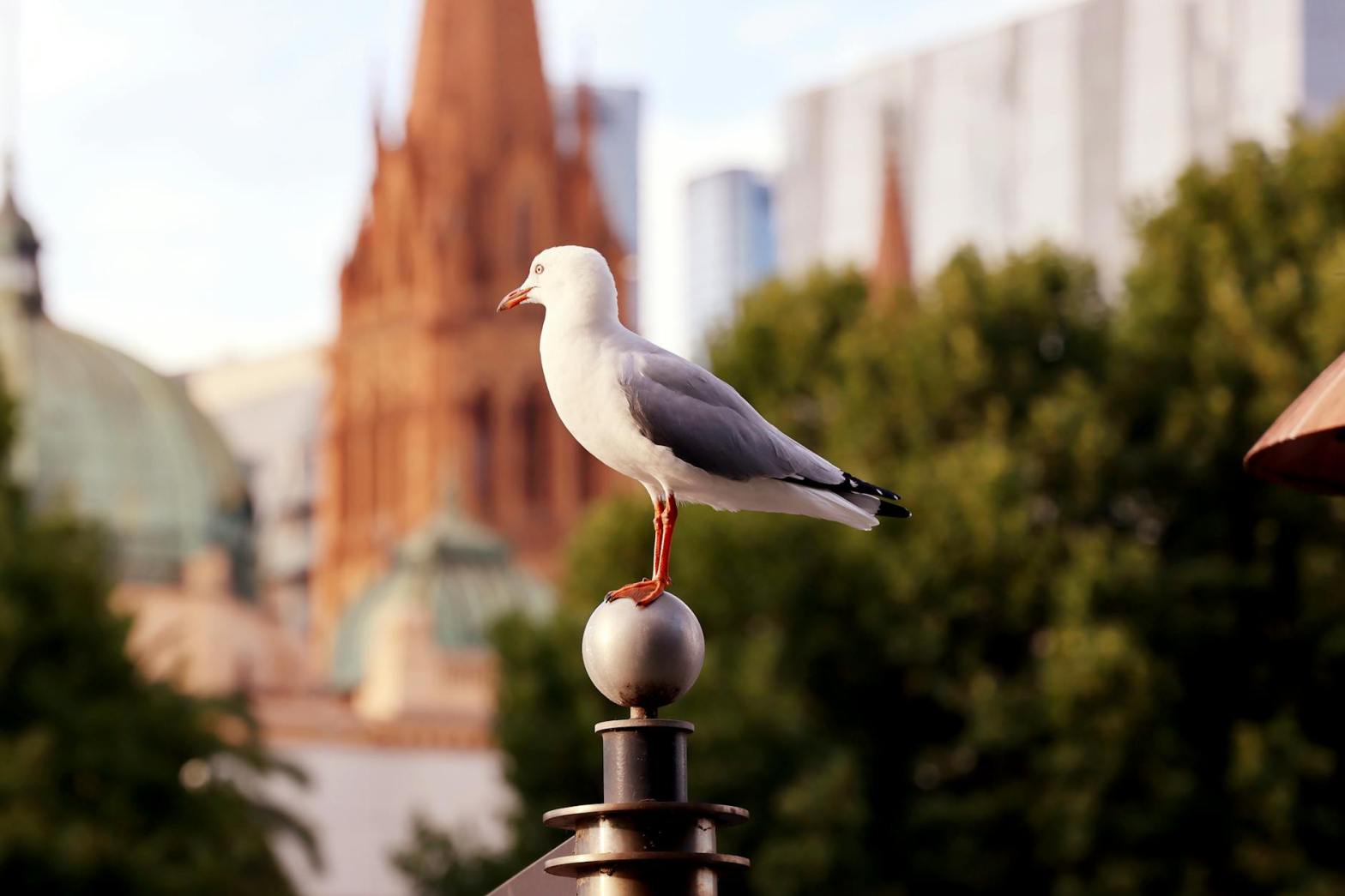
We’re on our way home when my attention is drawn to a church parking lot where an enormous group of seagulls gathers like a sheet of snow in the dead of August, stark white like clean, pressed shirts, speckled gray and black like neckties. Seagulls in Sunday best. Pastor Seagull behind a podium in front of its hungry flock. Seagulls kneeling at pews with their toe-walking, tree-twig legs. Seagulls whose souls release both joyful and anguished prayers from the tips of beaks.

Prayers that flitter into the sticky, sweat-sweet air and are carried on sacred wind to God.

April Lynn DeOliveira is a Michigan-based writer, educator, and editor-in-chief of Cereal City Review. She has been published in Fiction on the Web, Walloon Writers Review, Beyond Words Literary Magazine, Eunoia Review, Front Porch Republic, Great Lakes Review, Defenestrationism.net, and others. When she is not feverishly pecking away on her tablet, she can be found reading, gardening, traversing Michigan and beyond with her wonderful husband, and wishing she weren’t allergic to cats.

Forever green – a poem by Emalisa Rose

Forever green

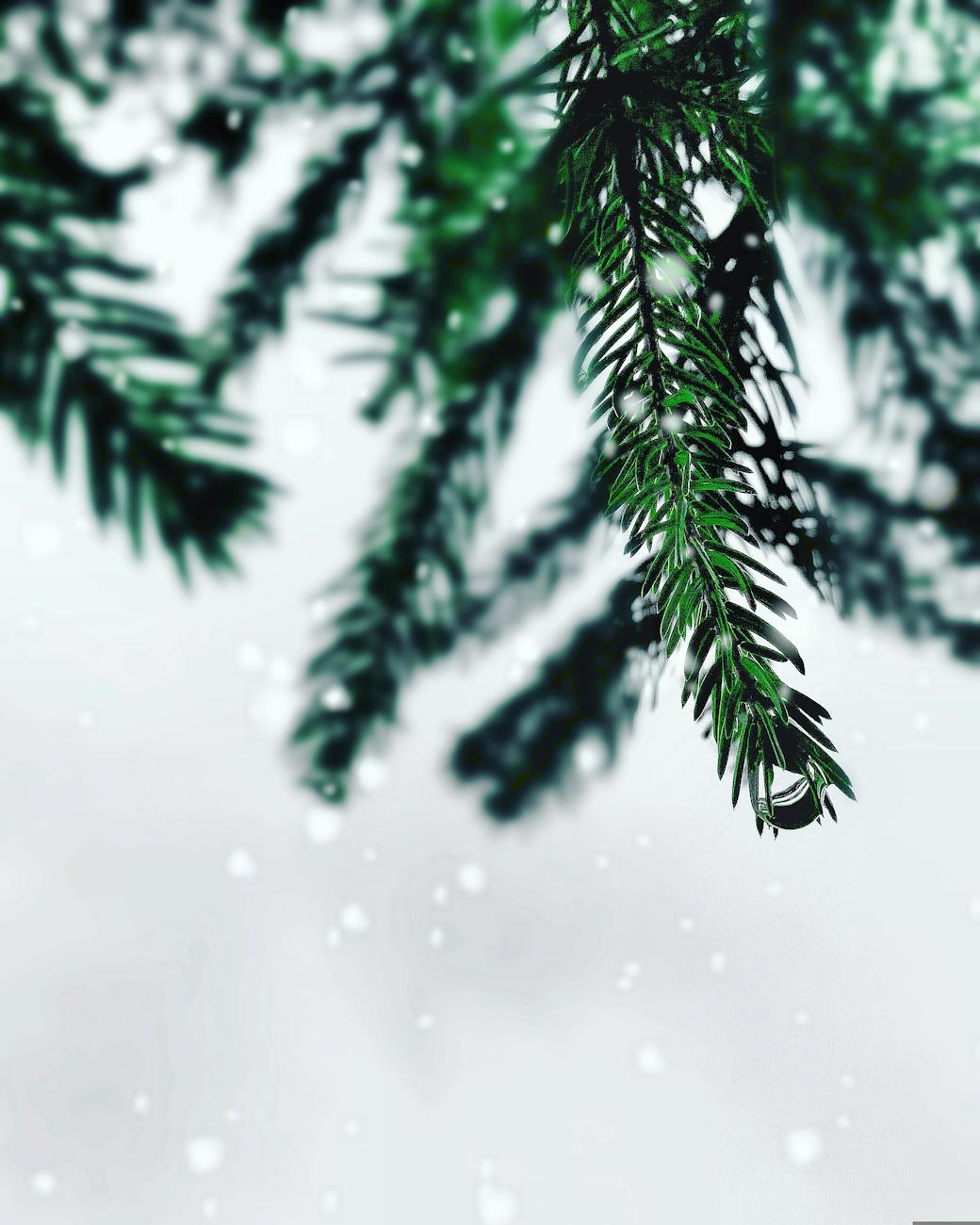
Perhaps they'll never
spin the wheel of color art
and deviate in hues from
greens to blues to mauves,
magentas and all the in
betweens, or go the rogue
when Autumn reigns with
limbo leaves, disarmed
in droves and falling.

They'll never win triathlons
nor run with bulls, ride the rails
speak in tongues, jump the broom
or walk the red lined carpet.

But they'll stand for you
forever green, and rarely drop
their leaves, while pastels
pale the branch and morph
amid mere memory.

When not writing poetry, Emalisa Rose enjoys crafting with macrame. She volunteers in animal rescue tending to cat colonies in the neighborhood. She walks with a birding group on weekends. Living by a beach town, is inspiration for her art and poetry. Some of her poems have appeared in Writing in a Woman’s Voice, Amethyst Review, The Rye Whiskey Review. Her latest collection is Ten random wrens, published by Maverick Duck Press.