
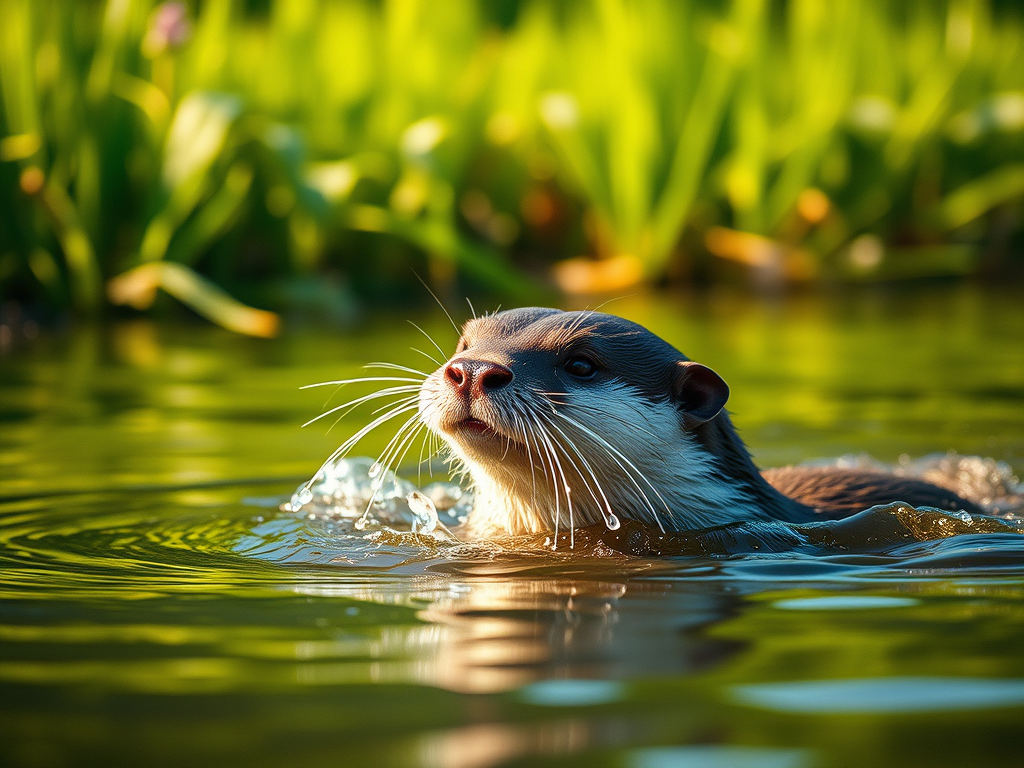
Why Otters Are Like Flashman

Whiskered bravado, swift about-turn;
slink and dive into safe flowing water,
rolling with buxom tides and swells.
The slick fur clinging and covering
the unimaginable skin beneath.
Otter, all play and flash and splash.
Otter, ready and willing to fight and vanish.
Teeth and claws and rudder tail.
Flesh and fish and bones to crunch.
Blood on the grass where the kill was feasted.
Blood on the muzzle made innocent by swimming.
At ease and at leisure, stealing not earning,
never the martyr, always the magdalene,
pouring the oil until emptiness drips;
pouring the oil as a poet pours wine:
abundant, abandoned, flooding the shrine.

Warming the feet of St Cuthbert whose penance
was not the most gentle,
their canniness cherished for one thousand years
as though they had waited to do a good turn,
not to seal their reputation forever.
Watching from grasses in dunes by the shore
(the right place and time always judged to perfection)
they put themselves forwards, onwards and upwards,
(and hide when it suits; dive and go under);
and always a smile and the most wondrous whiskers
of all the wild rogues on the fair English river.


Liz Kendall works as a Shiatsu and massage practitioner and Tai Chi Qigong teacher. Her poetry has been published by Candlestick Press, The Hedgehog Poetry Press, and Mslexia. Liz’s book 'Meet Us and Eat Us: Food plants from around the world’ is co-authored with an artist and ethnobotanist. It explores biodiversity through poetry, prose, and fine art photography. Her website is https://theedgeofthewoods.uk and she is on Twitter/X and Facebook @rowansarered, and on Instagram @meetusandeatus.
Author Archives: Sarah
poet, tutor, runner, cat lady
Now I Wait and Meditate – a poem by Diana Woodcock

Now I Wait and Meditate


Turns out Simone (Weil) was right—
waiting for goodness and truth is
far more intense than searching.

I have waited in the desert
till the stillness became the very
evidence of the Creator,

the stillness a shrillness—
	that roar which lies on the other side
	[of silence].*

Now I wait and meditate on
our brokenness, our need to love
and be filled with compassion

so we might heal the earth
and thus ourselves. I wait
in profound silence that is

shattered by one Red Velvet mite
laying eggs in the spoiled soil,
and larvae of a Rhinocerous beetle

boring into the stem
of a dying date palm.
I wait for goodness and truth,

praying to remember, though I never
owned slaves nor stole land
from the First Nations. I wait,

listening beside unmarked
burial grounds, the stones
underfoot glistening the truth.

I wait, watching a Polar bear
jump from one melting ice floe
to another, nowhere else to go.

*George Eliot
Diana Woodcock has authored seven chapbooks and six poetry collections, most recently Heaven Underfoot (winner of the 2022 Codhill Press Pauline Uchmanowicz Poetry Award), Holy Sparks (2020 Paraclete Press Poetry Award finalist) and Facing Aridity (2020 Prism Prize for Climate Literature finalist). A three-time Pushcart Prize nominee and Best of the Net nominee, she received the 2011 Vernice Quebodeaux Pathways Poetry Prize for Women for her debut collection, Swaying on the Elephant’s Shoulders. Currently teaching at VCUarts Qatar, she holds a PhD in Creative Writing from Lancaster University, where she researched poetry’s role in the search for an environmental ethic.
VIBRANT LOVINGKINDNESS DECALOGUE+ – poetry by Gerard Sarnat
VIBRANT LOVINGKINDNESS DECALOGUE+


i. Awareness searching
in all directions, I hold
myself the dearest.

ii. Core of non-self – or’s
this more solipsistic than
true altruism?

iii. Master acrobat
and apprentice: caring for
me protects others.

iv. May all beings be
happy and healthy, secure
on the path to peace.

v. Practice compassion –
short as a finger snap, long
as eternity.

vi. No malice, no hate,
take time to appreciate
every creature.

vii. Each monsoon season’s
three-month retreat inspires
enlightenment soon.

viii. Grove of verdant trees,
we sit beneath, settle deep
in liberation.

ix. Bankrupting the earth,
you and I must pay our debt
back so grandkids thrive.

x. STEM guy writes haiku
‘cause more mathematical
if less artistic.
Gerard Sarnat MD’s won San Francisco Poetry’s 2020 Contest, Poetry in Arts First Place Award/Dorfman Prizes; nominated for handfuls of 2021/previous Pushcarts/Best of Net Awards; authored HOMELESS CHRONICLES, Disputes, 17s, Melting Ice King. He’s widely published including by academic-related journals Stanford, Oberlin, Wesleyan, Johns Hopkins, Harvard, Pomona, Brown, Penn, Dartmouth, Columbia, University Chicago; Ulster, Gargoyle, MainStreetRag, Northampton Review, New Haven Poetry Institute, American Journal Poetry, Vonnegut Journal, 2020 International-Human-Rights-Art-Festival, Poetry Quarterly, New Delta Review, Buddhist Review, Brooklyn Review, LA Review, Monterey Poetry Review, San Francisco Magazine, New York Times. Mount Analogue selected KADDISH for distribution nationwide Inauguration Day.
The Fall – a poem by Mike Neighbors
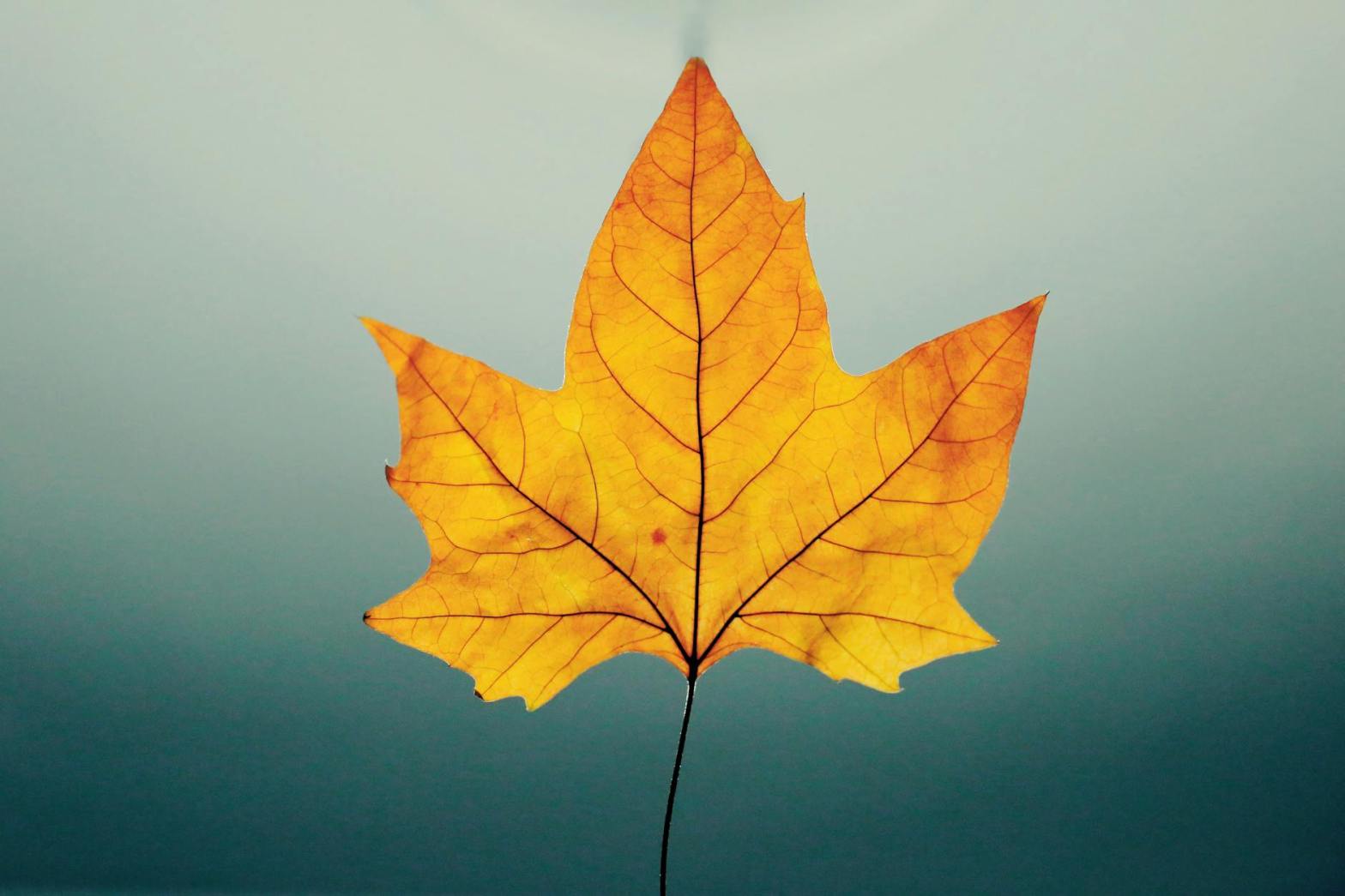
The Fall

Under the vanishing shade of the trees,
I look up and gaze at the tumbling leaves;
I prick up my ears to the rustling sound
and catch them before they collide with the ground.

Then I open my fingers to see what’s inside:
still leathery smooth, but now crumbled and dry.
Streaked with some green like the day they were born –
but brown as the soil to which they’ll return.

What do I do with these bits in my hand?
Blow them up towards the sky, or bury them in the land?
Do I pray on my knees for their final salvation –
or dance on my feet for their reincarnation?
Mike Neighbors is a legal news editor from Los Angeles, California. He lives in Marina Del Rey with his wife and three cats.
Window Dressing at Broadside Bookshop – a poem by David Ram
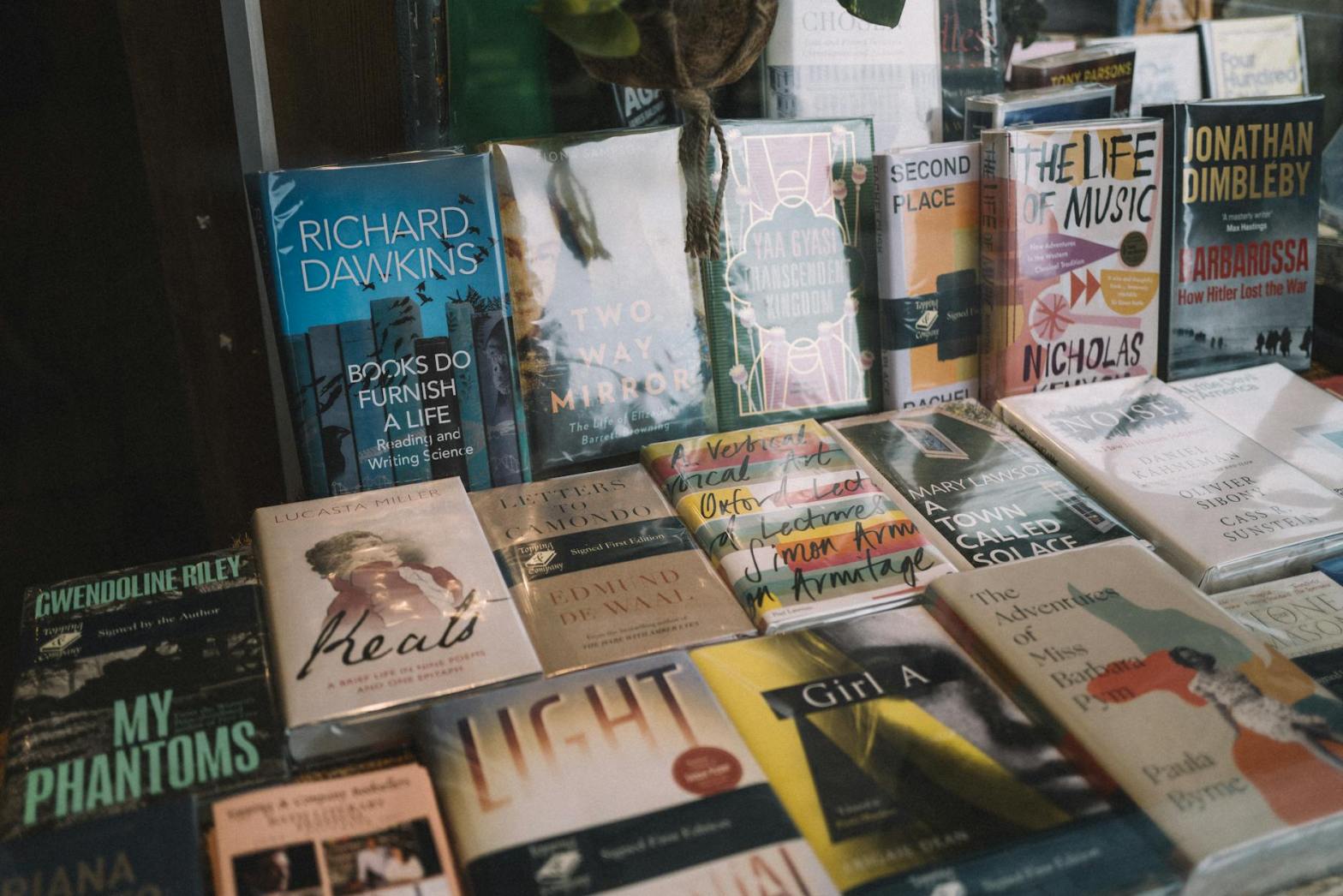
Window Dressing at Broadside Bookshop

Walking midday along a busy block
I stop to window-shop, and when I gaze
into the glass, my deceased mother’s face
returns my puzzled look.  I figure out
the store display but fail to find myself
in her confusingly mirrored movement.
As I step closer to the pane and bend
to touch the shadow, her likeness transforms
into my image.  Authors and titles
arise on terraced shelves reminding me
our perception of objects is broken
in time and space.  Around the corner, church
bells chime, so I stand upright, recompose
and smile knowingly at my reflection.
David Ram enjoys living in the Connecticut River Valley in Massachusetts. His recent poems appear in JAMA, Sport Literate, Star 82 Review, The Naugatuck River Review, and elsewhere.
The Shattering – a poem by Nancy Jentsch
The Shattering

There is a place
the shattering happens
in answer to time.
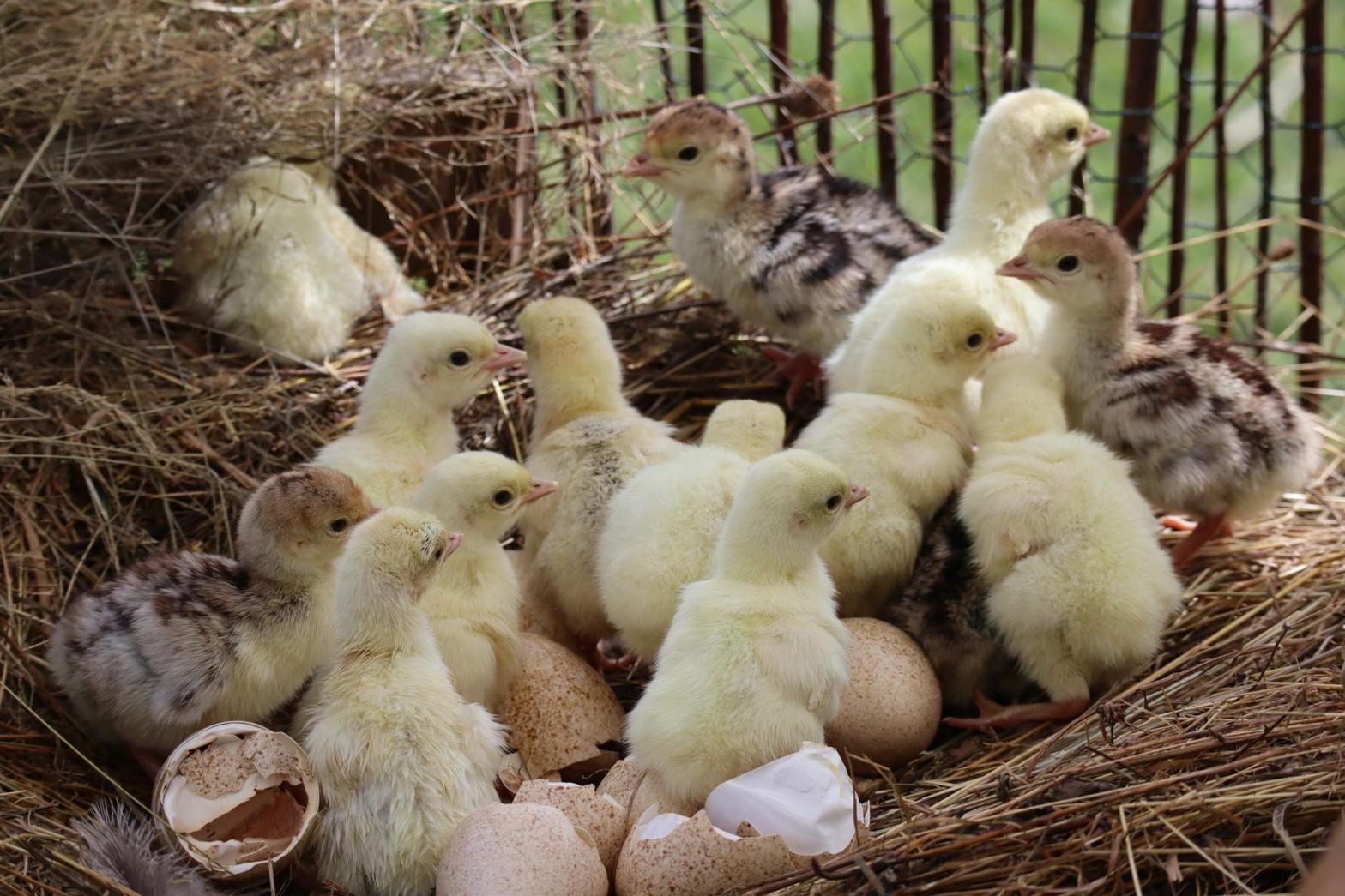
Unblemished eggs
jostle and coddled
chicks hone their
egg teeth, scarring
shells with cracks
that matter—bloodless
struggle unveils
simple oval homes
as sacred.
With chicks’ first breath
fractured shards settle,
find forgiveness.
Since beginning to write in 2008, Nancy Jentsch‘s work has appeared in journals such as Still: The Journal and Braided Way. In 2020, she received an Artist Enrichment Grant from the Kentucky Foundation for Women and the resulting collection, Between the Rows, debuted in 2022. Her current writing project involves reinvestigating genealogical information she unearthed in the pre-computer 1980s. She has retired after 37 years of teaching and finds a bounty of inspiration in her family and her rural home.
Remembering How to Sit – a poem by Wally Swist
Remembering How to Sit

It’s always a surprise,
despite my attempt to be open
to flexibility, when you forget something
that might be overlooked as being
too simple to even consider,
such as sitting down, so when I ask you
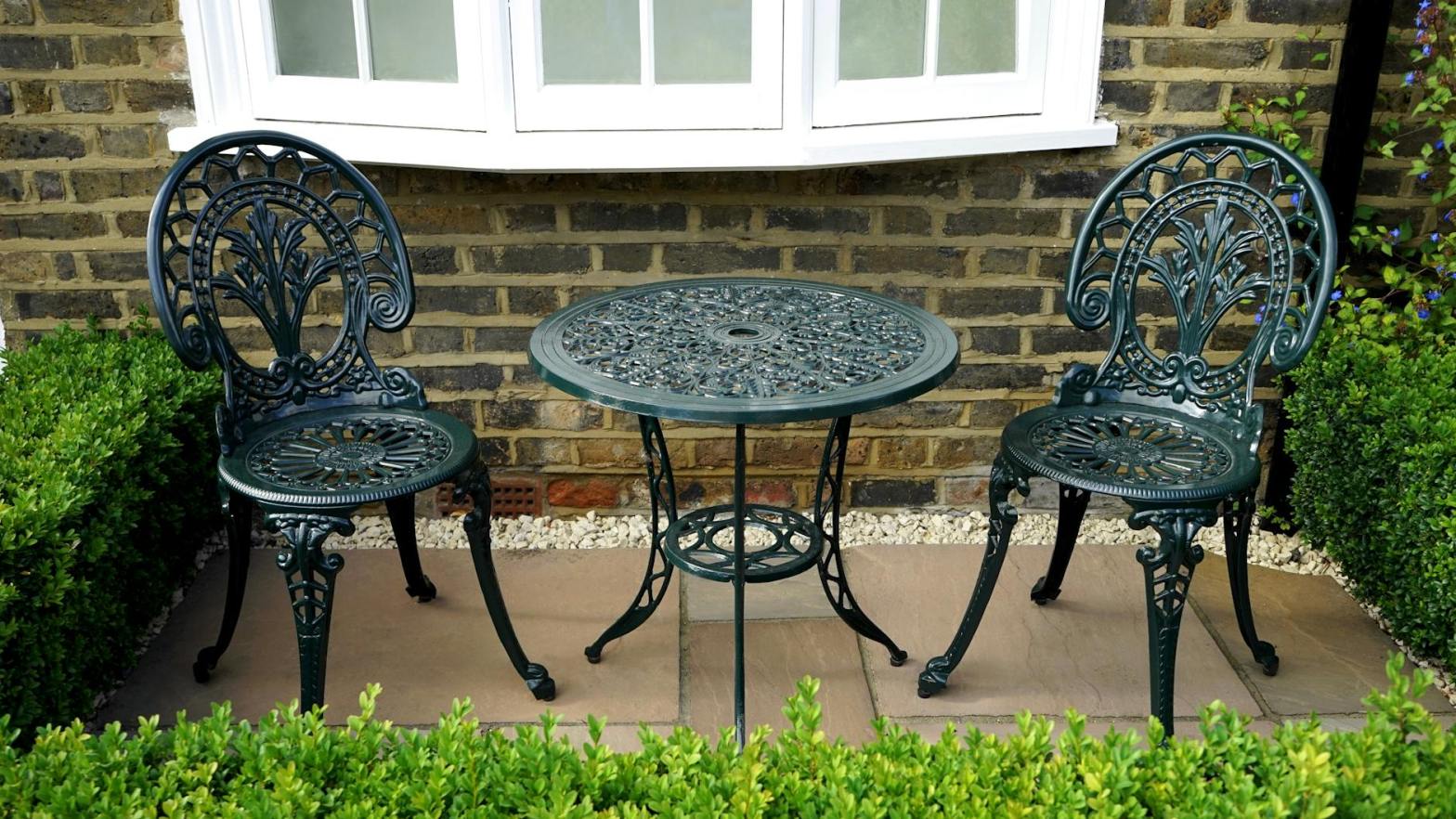
to sit on the padded seat outside

so we can enjoy the summer morning
you have forgotten what it is to sit.
Although I offer, “Just like me,”
as I try to portray how natural it is
to lower oneself into a chair or a bench
and place oneself down, in comfort,
but you take my various ways

of requesting to sit beside me
as a verbal attack, even though
I haven’t raised my voice.
You now decide to actually sit, but place
yourself down on the opposite bench,
glaring at me with pronounced mistrust.
So I decide to not convince you otherwise,

but I do open the large folio regarding
country homes around the world
and am fortunate to show you
photographs of dining room in Greece,
where I suggest we could be served
dolmas, feta, kalamatas, crusty bread,
and fresh tomatoes with olive oil

for lunch.  You decide for yourself
that this interests you now, and you move
over on your own accord to sit beside me.
We go on to have a memorable and warm
exchange for the remainder of the morning.
You ease into a happiness as you rediscovered
how we are graced in our ability to sit,

how it is that we are able to relax, to
possibly imagine where we might go
in being armchair travelers, moving
from house to house over the globe,
also to further muse where we might
meet after our time here has come to
pass, where we might suppose we would

rendezvous in seeing each other again,
considering any number of suppositions,
however, intrinsically knowing that
we would try to find a hospitable place
where we would remember how to sit,
then with certainty venture to rise again
to continue our journey through immensity.
Wally Swist’s recent essays, poems, and translations have appeared in Chicago Quarterly Review, Commonweal, Helaling Muse, Illuminations, Pensive, and Your Impossible Voice. Forthcoming titles include If You’re the Dreamer, I’m the Dream: Selected Translations from The Book of Hours, from the poetry of Rainer Maria Rilke, from Finishing Line Press. Kelsay Books will publish his book, Aperture, poems regarding his wife’s struggle with Alzheimer’s, in the summer of 2025. His book Huang Po and the Dimensions of Love (Southern Illinois University Press, 2012) won the 2011 Crab Orchard Poetry Prize.
Fungus in Love – a poem by Sharon Kunde
Fungus in Love

Moonrise geyser dissolve hillsides
in silver bubbles. Balcony goes up
in clovers of lichen, chartreuse,
then black, then cigarette grey.

We chase each other through skies littered
with pulsing red stars, gouged torsos and eyes.
Young and prone on the north Atlantic,
I smell of dead fish. Peepers choir

tiny lusts. Lunar wind rocks boats’ masts,
pluck their halyards. Exoplanets pelt us
like chocolate drops or coffee beans. I weep
oranges and eggs with blood-streaked yolks.

The city lies like a skirt of hammered brass,
studded with gas flares and powder flashes. All is lost,
you prophesy. I have scaled clouded mountains
and consulted the terrible yeti; I have spent

hearts’ hours searching. Morning’s salt
mist dims the sky. You crack
your sternum with your two hands
and out spills the city: canyadas, cypresses,

hummingbirds, ledges, termites. I weep hard,
thin-skinned avocados and pink-bellied figs.
From the balcony we watch the sun rise
one last time, eat rolls and drink coffee,

scatter crumbs to birds the size of crickets.
I will dog you to mountain clouds,
yeti’s den. You do not have to look back:
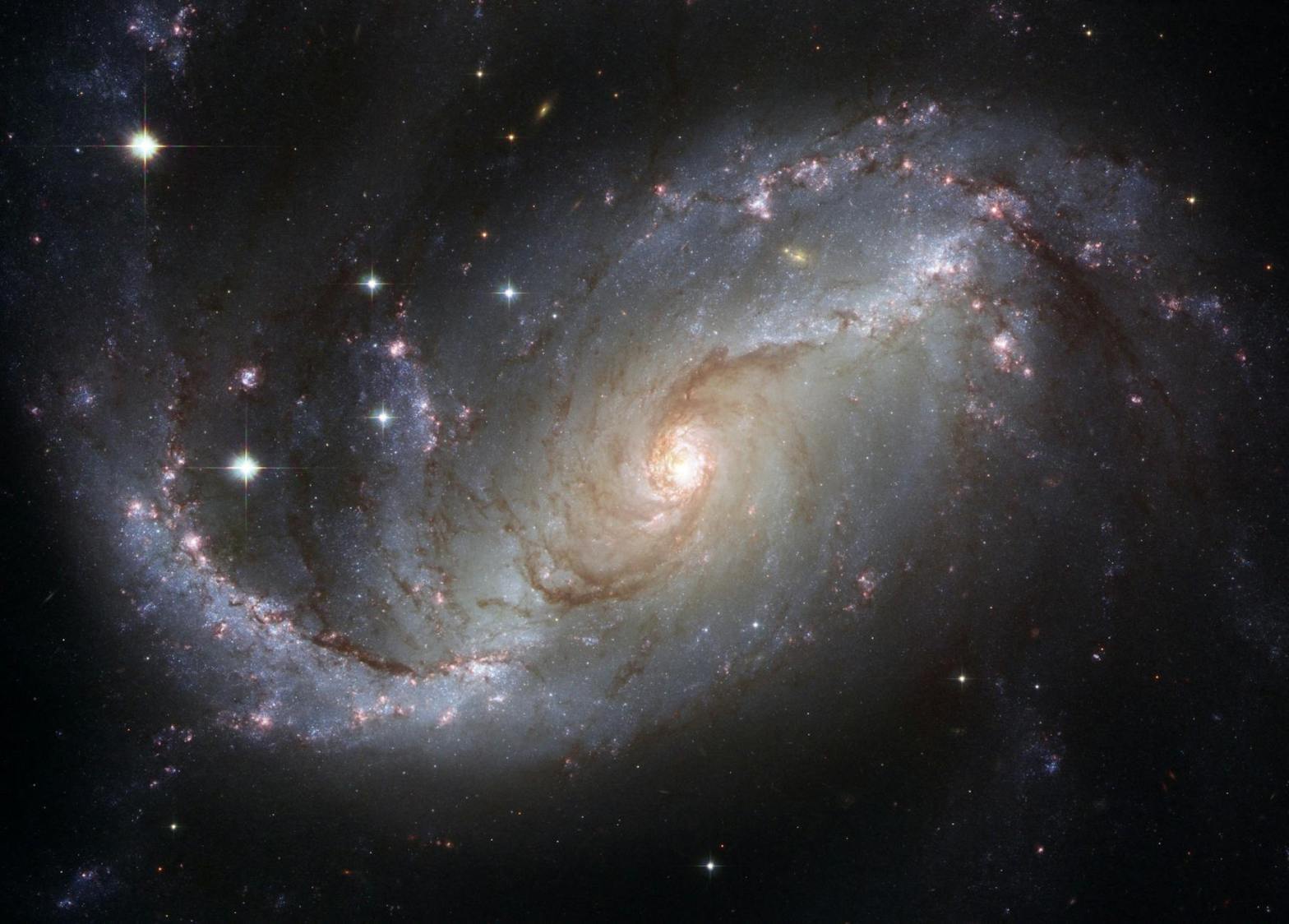
I am there, behind that spiral galaxy,

faint as the Pleiades, speck
in your eye. Planets blacken,
forests smolder for centuries, seas wink
out one by one, carbon dark. Unbearable

waves endure, bleaching beaches.
Search for me on the galaxy’s
utmost horizon. Precipitate me with gravity
and salt. Bring me caked-out crickets

snoozing between sheets of yesterday’s news.
Sharon Kunde is an Assistant Professor at the Maine College of Art and Design. Her research focuses on the racialization of representations of nature and naturalness in the context of the emergence of national literary studies. She has published work in publications including Twentieth Century Literature, the Los Angeles Review of Books, Harvard Review, ISLE, and Cincinnati Review, and her chapbook Year of the Sasquatch was published by Dancing Girl Press in 2022.
Damavand 1977 – a poem by Roxanne Doty
Damavand 1977

The way the snow drifted
then raged into a blizzard
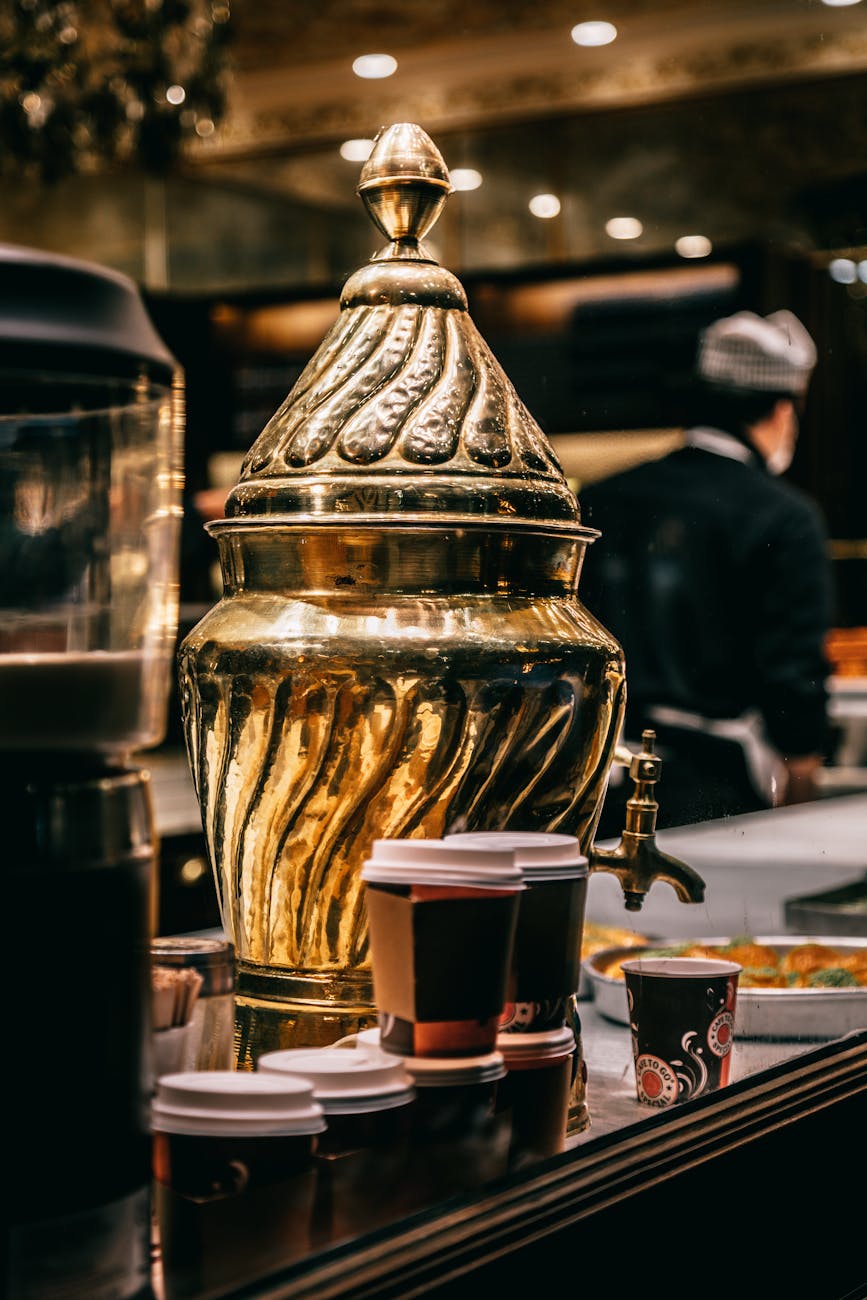
and the roadside café,
copper Samovar on the counter,
orange flames flickering
in wood-burning stove, walls
of tapestries with intricate designs,
a man behind the counter
in harem pants and dark blazer,
tea in clear glasses and Iranian brittle
with pistachios, almonds and cardamom.

The way the snow covered the earth
in layers of sparkle, buried the sins
and follies of humanity, created a sense
of significance, cohesion, harmony
and the words home and belonging
took on new meanings
as we sheltered from the storm
until it stopped and we continued
to the Alborz mountain range
where at the end of the day we stood
at the top of the highest ski trail
and waited for the slopes
around us to empty.

The way we gazed into the distance
at Mount Damavand, Persian symbol
of strength and resistance, 18,000 feet
above the ancient, troubled land
we had come to in search of ourselves
and it was just us and the pristine white
and the silence and peace and I imagined
that was what heaven might be like
if there were such a place
and an unnamable god waited for us.
Roxanne Doty lives in Tempe, Arizona. Her debut novel, Out Stealing Water, was published by Regal House Publishing, August 30. 2022. Her first poetry collection was published by Kelsay Books in the spring of 2024. She has published stories and poems in Third Wednesday, Quibble Lit, Superstition Review, Espacio Fronterizo, Ocotillo Review, Forge, I70 Review, Soundings Review, The Blue Guitar, Four Chambers Literary Magazine, Lascaux Review, Lunaris Review, Journal of Microliterature, NewVerseNews, International Times, Saranac Review, Gateway Review and Reunion-The Dallas Review. Her short story, Turbulence (Ocotillo Review) was nominated for the 2019 Pushcart prize for short fiction.
Banishment – a poem by Clive Donovan
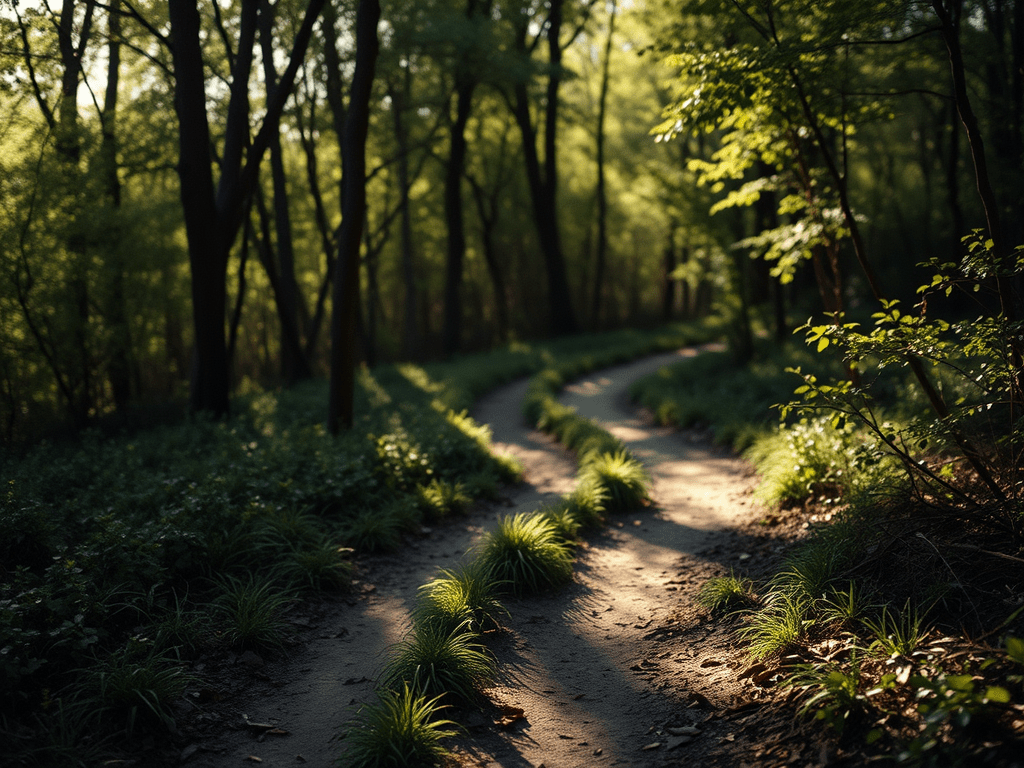
Banishment

Hand in hand they wandered,
seeking a door.
They had been told to leave the garden
and brightly fierce was the angel's desolate sword
reflecting naked sorrow.

Not knowing ought else better to do,
they followed simple tracks laid by animals,
which led from water-holes to fruit trees
and yet fruit tasted musty and sour
and leaves and roots were bitter now and water flat.

Night carnage fell down the valleys, so dour,
and crags loomed large and stones hurt their feet,
yet still could they never find Eden's exit gate,
as they had been instructed to do.
So still they stumble, blinkered, hand in hand, in paradise.
Clive Donovan has three poetry collections, The Taste of Glass [Cinnamon Press 2021], Wound Up With Love [Lapwing 2022] and Movement of People [Dempsey&Windle 2024] and is published in a wide variety of magazines including Acumen, Agenda, Amethyst Review, Crannog, Popshot, Prole and Stand. He lives in Totnes, Devon, UK. He was a Pushcart and Forward Prize nominee for 2022’s best individual poems.
 Amethyst Review