Ego loves no one. Therefore, it can’t exist because love alone exists a fact the ego must conceal or ego dies
So ego tells a story where ego’s a hero ego’s a villain or ego is something else lying faster than me turning around can see
Mike Wilson’s work has appeared in many magazines and in Mike’s book, Arranging Deck Chairs on the Titanic (Rabbit House Press). A second poetry collection (Before the Fall, Kelsay Books) and a debut novel (Food Court, Main Street Rag) are forthcoming in 2026. Mike lives in Lexington, Kentucky.
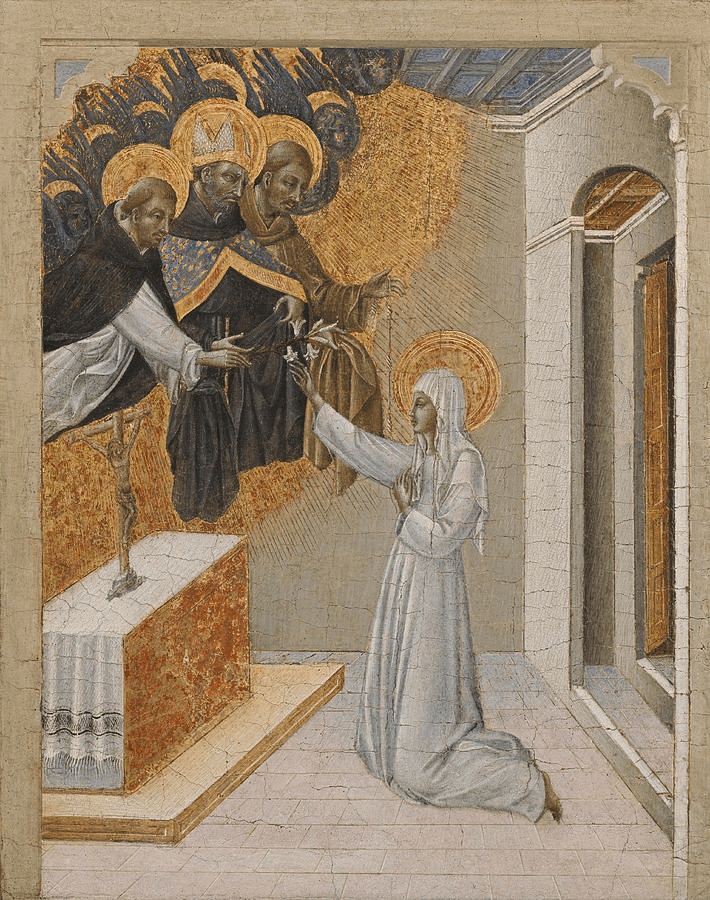
On two works,“St. Catherine of Siena Invested with the Dominican Habit” by Giovanni di Paolo and “Catherine of Siena” by Sigrid Undset
Could wise Augustine and meek Francis—saints, too, but this errant thought intrudes—be slightly miffed when you, exchanger of hearts with your Gesù, gently decline the tempera-rendered gift each holds aloft? Augustine, stern and hoary, looks heavenward. A stranger now to worry, he takes the pass in stride. But Francis still seems hopeful, like he’s entertaining certain dreams.
Dominic himself has unsure eyes. In spite of your extended arm, verging on a yes, your near-floating form suggests impending flight. I think he’s picturing when Christ leaned to bless you from atop San Domenico. No room for irony, but did his namesake-church loom large on the periphery as he rushed down with his black cloak to your holy, broken town?
*
Once called “Euphrosyne,” you suppressed disgust at weeping sores, nursing terminally ill, ungrateful patients, meanwhile rebuffing lust and temptations sent to test your faultless will in perfect fires. One woman you cared for had pus and other unspeakable human gore from cancer ravening unchecked through her breast, and you, in self-chastisement, contritely pressed
your face to her disease-ridden chest. I must confess a touch of empathy at this stage in your biography for the cold mistrust your patient showed thereafter, failing to gauge your pious purity as real. When she let reckless words drift into calumny, regret not gripping her just yet, you made no complaint; maybe you’re not a relatable saint.
*
But these darts, Caterina, you also bear. Fingers brushing the fringed edge of the lilies, you give the waiting saint your fiat, and wear the contrapuntal habit. What ecstasies and agonies are to come, you don’t yet know. Before Rome beckons, your cup will overflow with princes and prelates bent on worldly wins, the prying and possessed, souls mired in sins.
Di Paolo doubles you in tone: pale and warm and dark-drawn with thoughts of what lost shepherds need. The crucifix you kneel before gives form to pain that adumbrates the trials and greed you’ll circumnavigate with legates and boors: They knew that you wanted no part of their wars. “Sweet Jesus, Jesus Love,” you wrote the power-blind. Your Lord asked for all. And No never crossed your mind.
Kristi A.S. Gomez has a BA in Creative Writing from Pepperdine and an MA in Literature and Publishing from University of Galway, Ireland. She had poems published in both university publications and was a finalist in the Catholic Literary Arts 2024 Advent Poetry Contest. She has been a corporate-world and freelance editor and has taught poetry classes to homeschooled students.
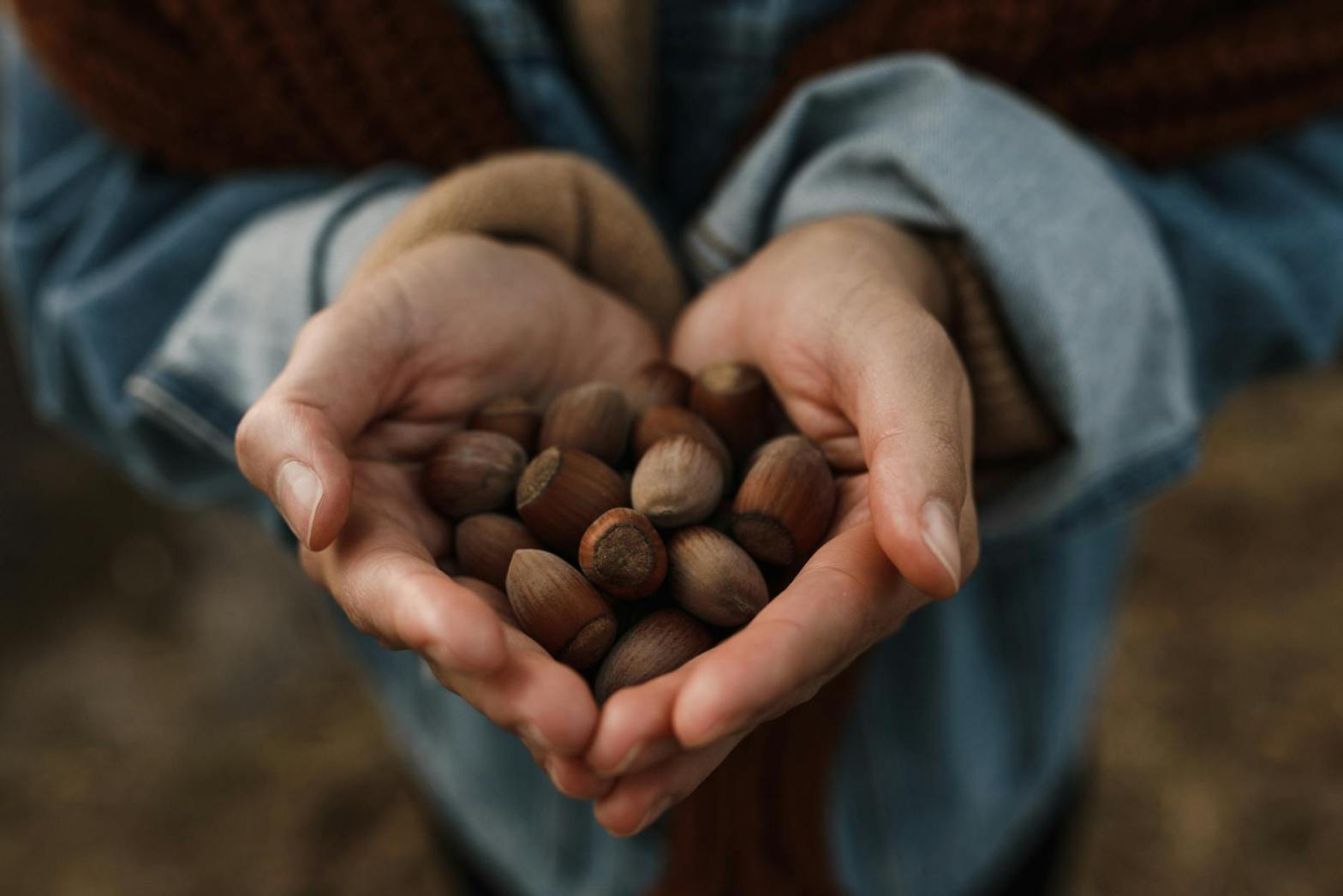
I sit here in the awkward silence now, sharing an Irish whiskey with my Fear, a plate of chocolates, hazelnuts, and cheese, sitting untouched by anyone but me. I’ve felt this Fear for quite a bit of time. It neither chills me nor gnaws at my soul, but hangs around and sometimes pokes my side. It is the fear that God’s no longer near, that I have wandered out of God’s earshot, who made the stirring music of the spheres, and whispered Psalms and Proverbs to wise kings. I’m sure I’ve been the wanderer, not Him. I’ve not forgotten or forsaken Him, and still I see the wonders He has made, the grandeur flaming out as Hopkins wrote, like lightning in a darkened field at night or stars that twinkle brightly in the sky. But feel I’ve stumbled on the bottom rung of St. John’s ladder of divine ascent, or that my Lord no longer speaks to me, and all is silent, save perhaps the sound of crunchy hazelnuts against my teeth.
Michael C. Paul is a writer, illustrator, and historian who lives in Northern Virginia with his wife, daughter, and stepson.
Souls are like poems. An idea in the air, ephemeral, but written, committed to shape. The line, “We are God’s workmanship,” in the letter to the Ephesians, but the original Greek poiema. Why translate as workmanship? Why not poem? We are God’s poem. Every soul an ars poetica.
Something so mysterious recorded in ink on parchment, charcoal on linen, or chalk and slate, voice and lyre. Words. Black and white. And yet so full of color: olive, amethyst, sunflower, plum.
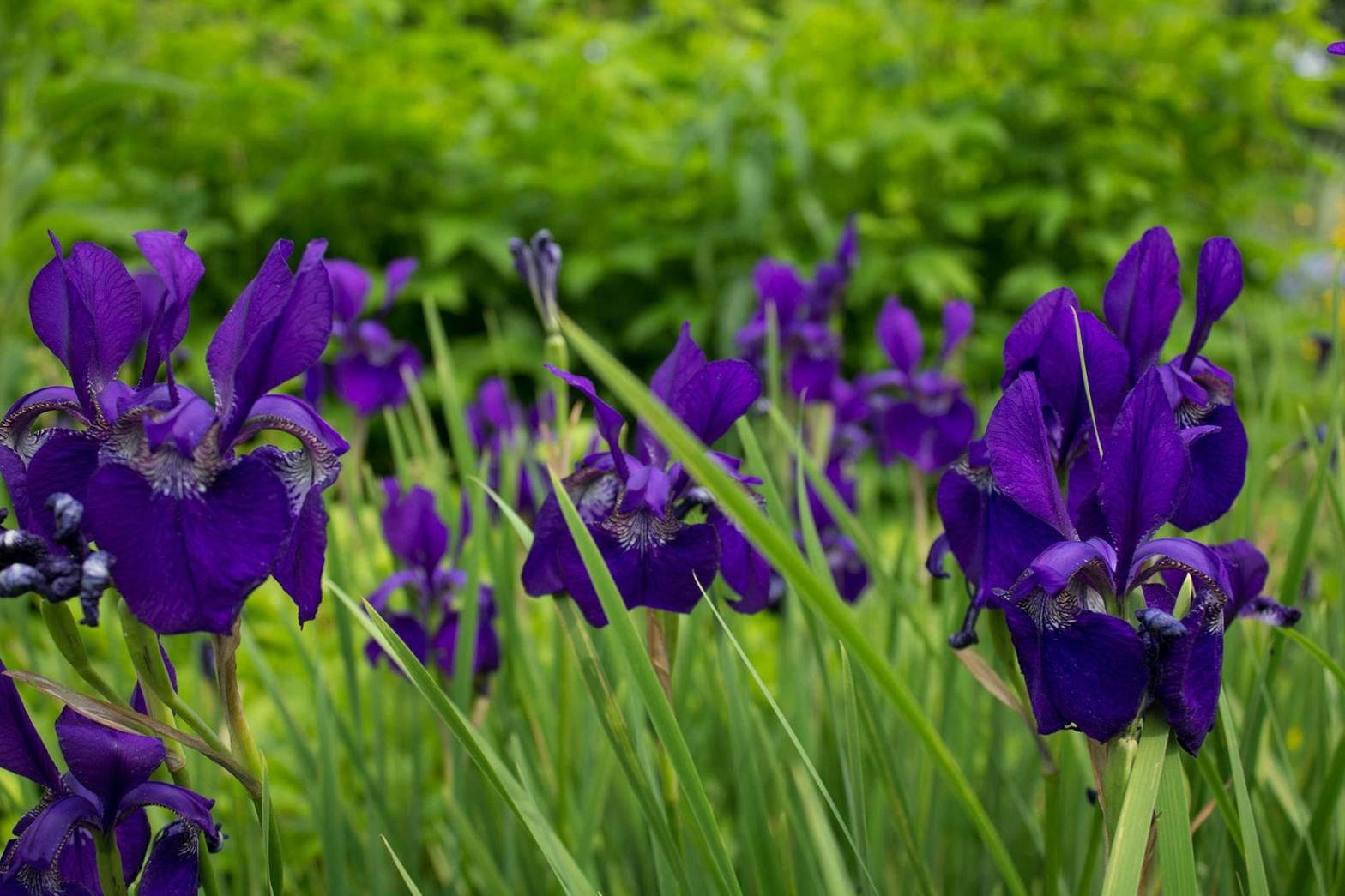
What is it that happens when you read iris— little line with a dot, line with a curve, another line and dot, double curve s—and you see rows of brilliant purple blooms along the road up the hill to the cemetery?
Janna Schledorn’s poems have appeared in The Marbled Sigh, SWWIM, Presence: A Journal of Catholic Poetry, and other journals. Her work is featured in the Phenomenal Women chapbook from the Laura (Riding) Jackson Foundation (2023), her chapbook, Those Nine Days (2021) and the anthology Mother Mary Comes to Me (Madville 2020). She teaches composition and creative writing at Eastern Florida State College. For more visit jannaschledorn.com
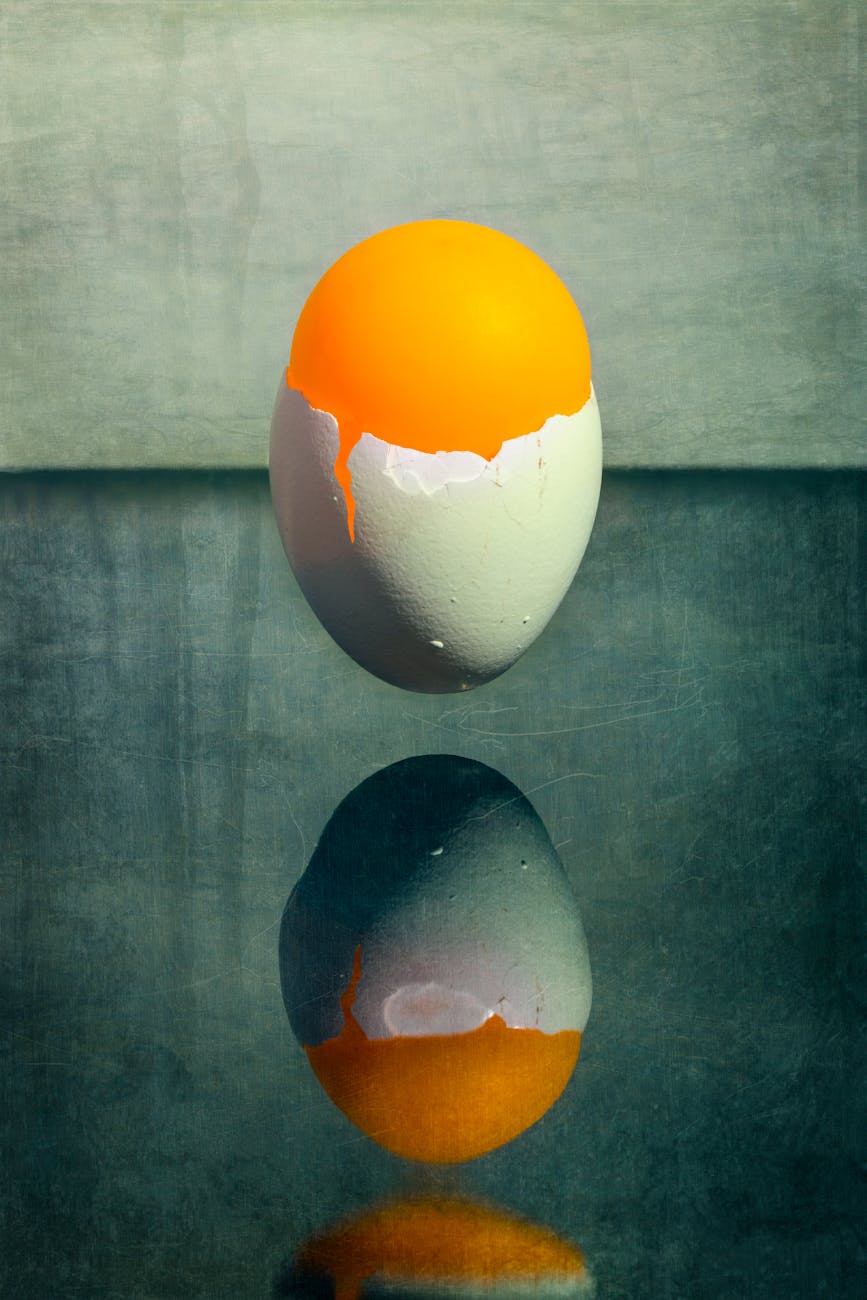
Wake early to watch light take over the dark. Swallow all glimmer of shadow with a mouth made of bruise. Cradle the one lone surviving tomato like a lover's jawbone that hooks into your hammocked hand. Brush a buttercup to the underbelly of chin. Feel how flowers still know our affinity for lush. Let the ants make a bridge of your ankles. Wind the names of the wounded round your wrist. Crack an egg on the bright bowl of morning. See how inside something broken shines the beginning of life.
Haley DiRenzo is a Colorado writer and attorney specializing in eviction defense. Her work has appeared in Does it Have Pockets, Thimble, and Ink in Thirds, among others, and has been nominated for Best of the Net and the Pushcart Prize. Outside of work and writing, you can find her browsing book stores, brewing tea, and watching movies and live performance in the theater. BlueSky: @haleydirenzo.bsky.social. Instagram: @haleydirenzo
The violinist slowly plucks the last stars from an eternal sky. The cellist joins in, wavers up the dawn.
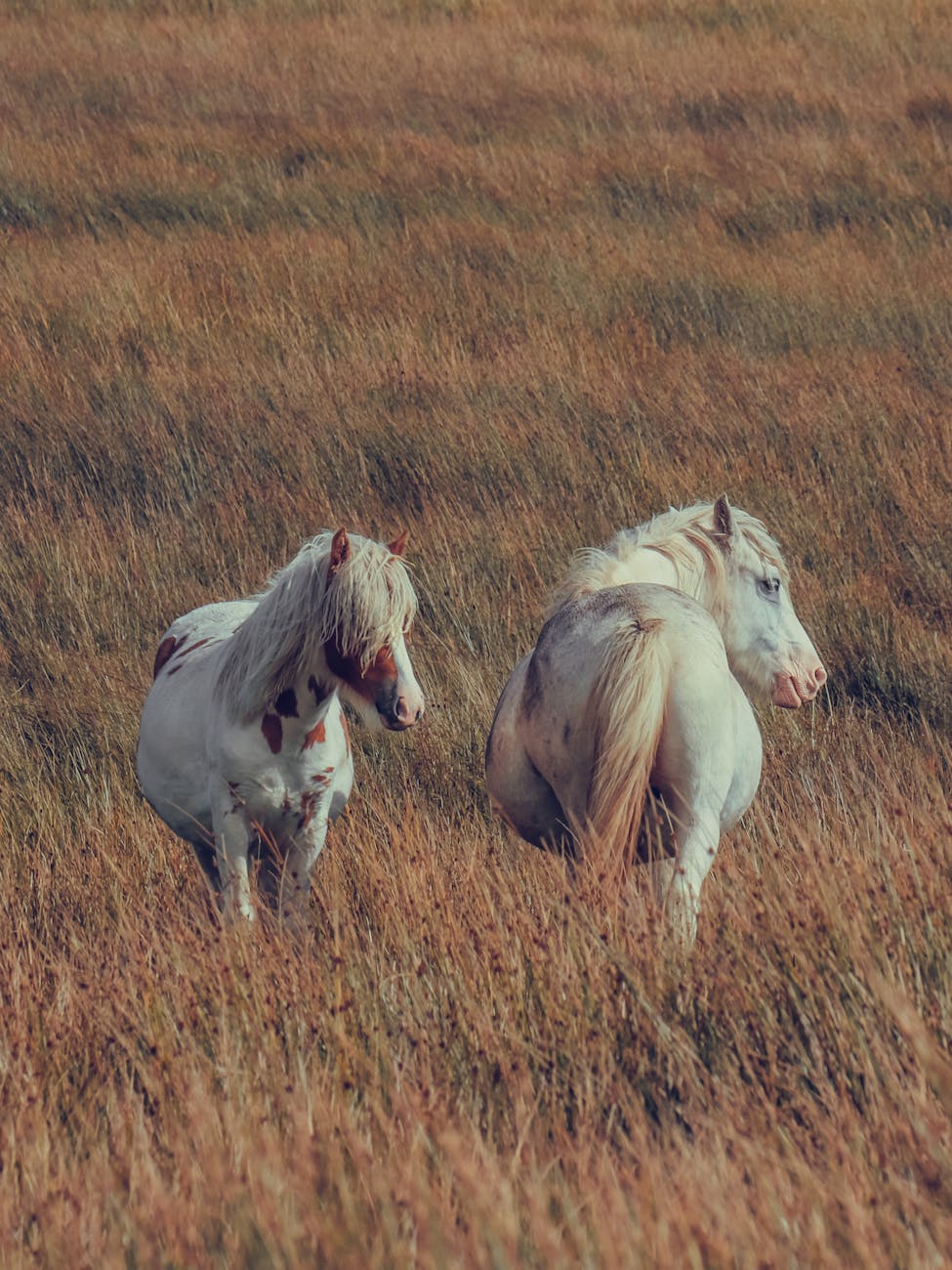
On the grassy steppes, the shuffle of a herd of wild horses as they shake off sleep is echoed by the soft bass beat of a tribal drum.
The tempo shifts from adagio to andante, and the horses are on the move. The cello warms with the sun. The violin sings the high of a summer breeze.
Their pace increases, the percussion now staccato, the strings vivace, as the music races the ponies across the open plain, celebrating the land that is theirs.
Mary Kipps enjoys composing in traditional forms as well as in free verse. A former Pushcart Prize nominee, her poems have appeared regularly in journals and anthologies across the U.S. and abroad since 2005. She is also the author of three Kindle eBooks of paranormal satire: All in Vein, A Sucker for Heels, and Bitten: A Practical Guide to Dating a Vampire.
When young, I played in an attic, musty, shadow-laced, where spiders spun in rafters and dust bunnies bred. Single window, single shaft of burning, clearing light. It taught me of dust, of the world I haunted. As I grew, my grey hand groped a curtain, and another, and more. I pulled each cord. Light destroyed my old world, and I saw. Some of my toys, junk, and some, diamonds. The more windows blink, the more I understand my poverty and wealth.
Prudence T.K. Vasquez is a poet living and writing amidst the misty mountains of southern Appalachia.
In a sanctuary that seats 600 for mass, fourteen people gather for my Buddhist son as the priest’s dog Tucker, wanders
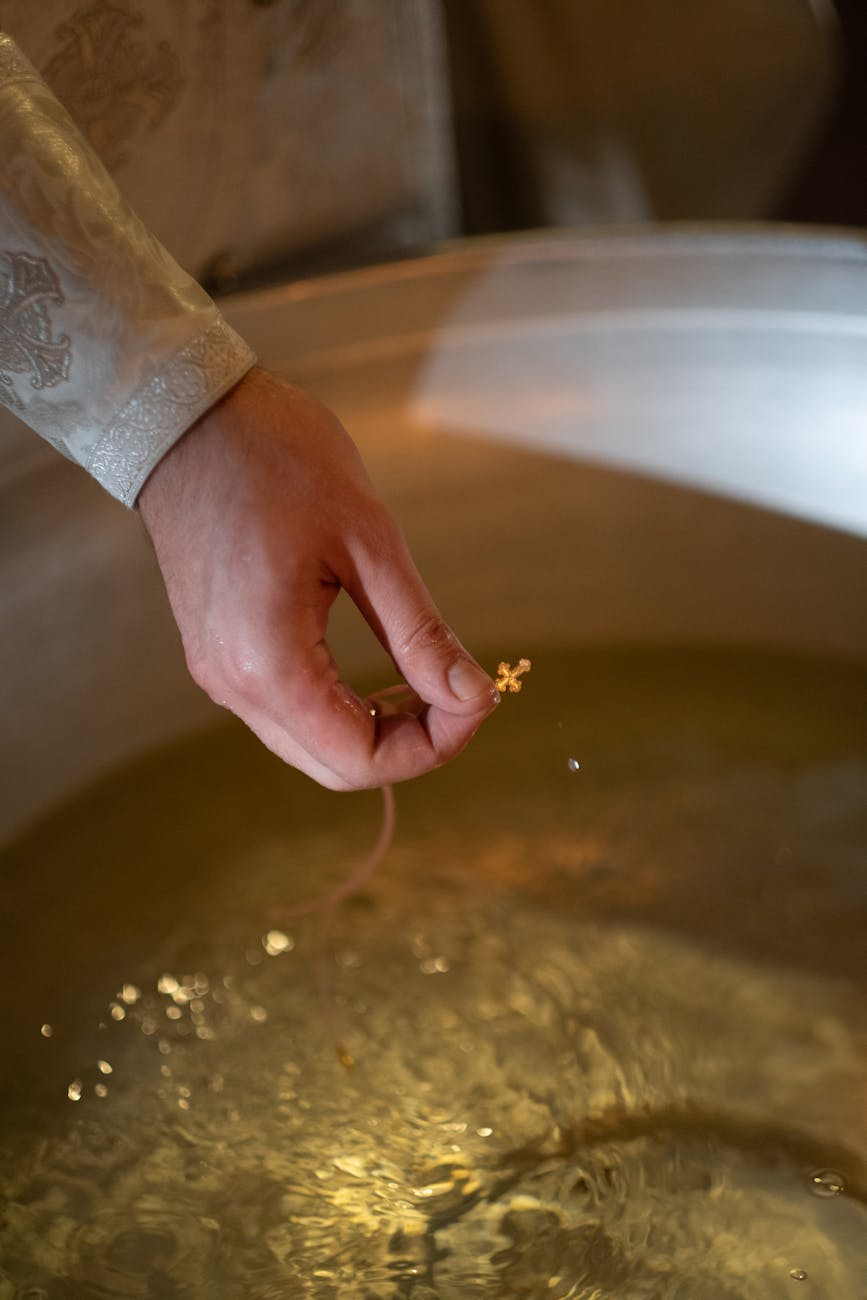
A simple table in front of the altar—white cloth, hand-thrown bowl of holy water Three times Father Simon dips his hand, blesses my son’s bowed head
After, I ask Bird who understands nothing is separate how he reconciles the doctrine of God the Father He replies with light-filled eyes meditating and a little twist of mind
Amrita Skye Blaine develops themes of impermanence, disability, and awakening. In 2003, she received an MFA in Creative Writing from Antioch University, and in 2024, a PocketMFA in poetry. Two collections came out last spring, every riven thing from Finishing Line Press, and strange grace–the ending season from Berkana Publications. She has been published in fourteen poetry anthologies, numerous literary magazines, and is a Pushcart Prize and Best of the Net nominee.
Under a dimming disk of sun this winter day accumulates a sense of unease as it drifts, a floating bridge of white noise between the vanished image of yesterday and the occluded vision of tomorrow. What do they make of it, the raven pair perched together at the top of the bare oak? They are telling us something, but we always fail to understand their language.
Ruth Holzer is the author of ten chapbooks, most recently, On the Way to Man in Moon Passage (dancing girl press) and Float (Kelsay Books). Her poems have appeared in Poet Lore, Earth’s Daughters, Connecticut River Review and Plainsongs, among other journals and anthologies. She has received several Pushcart Prize and Best of the Net nominations.
Angels follow the sun someone said. Travel with them, they are careful, their wings never melt like Icarus's, No plummeting into despair, but they can lament death wringing their hands in the air. Keep a steady pace so the breeze will stay cool-- ablutions of well-being. Pass with them over thresholds sparing children's lives, watch them carry armfuls of souls to bliss, and hear Horatio wave them on as they accompany Hamlet to his rest. Hold on to the stream of their song.
Janet Krauss enjoyed teaching English at St. Basil Seminary for 29 years and Fairfield University for 39 years. She continues to mentor students. lead a poetry discussion at the Wilton Library, participate in the CT. Poetry Society Workshop and other poetry groups. She is the Poetry Program Director of the Black Rock Guild. She has 2 books of poetry: Borrowed Scenery (Yuganta Press) and Through the Trees of Autumn (Spartina Press). She is a widely published poet and many of her poems have been published in Amethyst Review and her haiku in Cold Moon Journal.




 Amethyst Review