The Meaning of Life is to See – a poem by Claire Massey

The Meaning of Life is to See								


So said Hui-Neng
in the seventh century.

And what are we to contemplate
with the other-worldly third eye
we are urged to open wide?

Shall we regard
the dandelion
defying Round-Up and rusted blade
thrusting forth its flower, yellow
against fissured cement,
the decaying fence,
sun-powered, indomitable?

Shall we keep watch
for constellations, the Southern Cross
forming, in its ordered, linear course,
a celestial four-way stop?

And what of the cold-stunned carp
suspended below the thin, cracked ice
of a backyard pond,
the sheen of scales weak
as winter dawn, but tomorrow,
when it’s warmer,
a brighter orange?

Shall we notice
how the eyes of a newborn
mirror those of her great-grandmother?
Behind the same soft, misted veils,
do they glimpse
forgotten realms?

What, with our awakened vision
should we commit to memory?

Ten thousand things, said Neng,
but especially
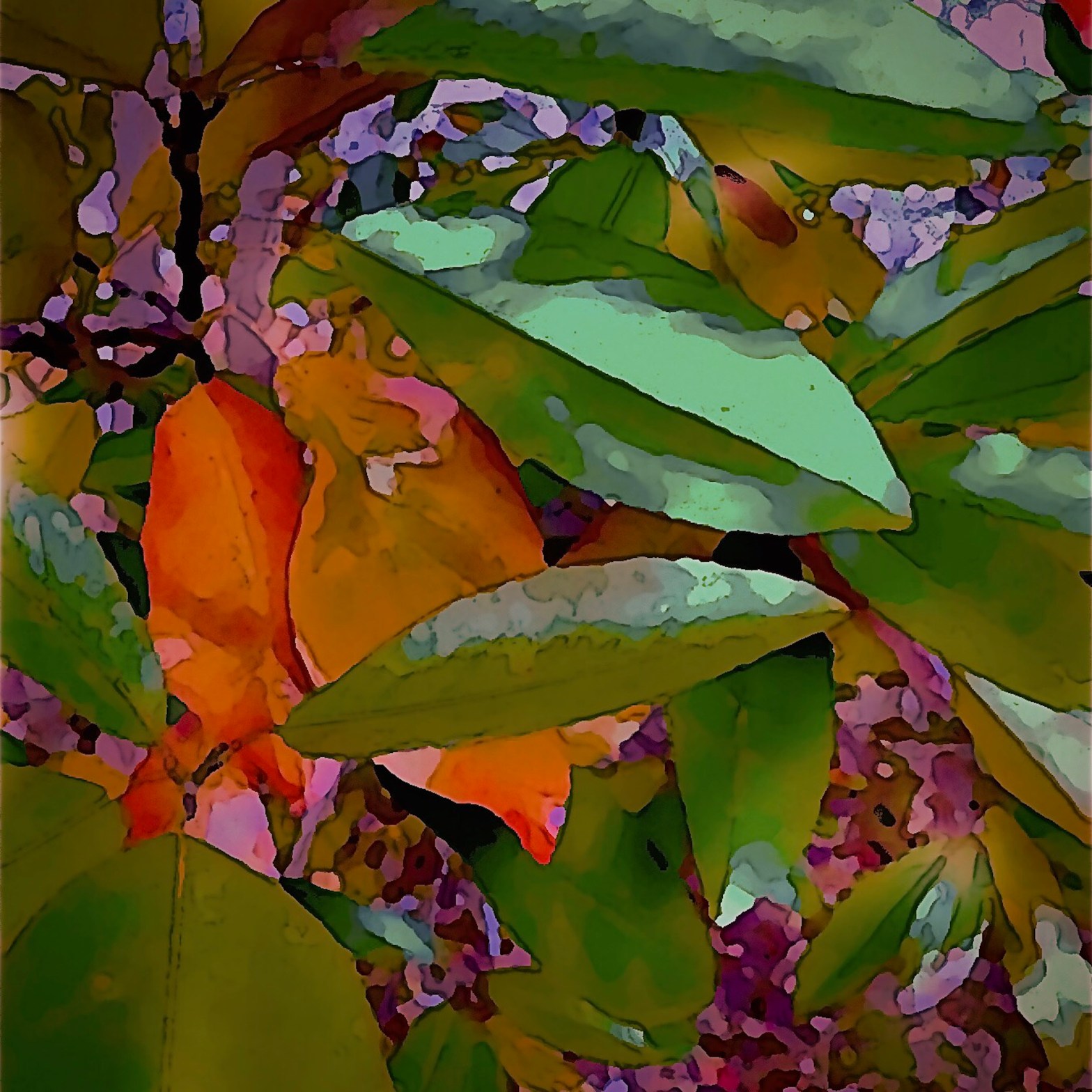
leaves,
the progeny of trees,
wheeling at the whim of light,
greening and browning and greening again,
now brittle and broken,
then whole and succulent.

Since 2019, Claire Massey has been a selection editor for the biennial print journal, The Emerald Coast Review. She is poetry editor for The Pen Woman magazine. Her work appears in numerous journals of the literary arts, including POEM, Snapdragon Journal of Art and Healing, Panoply, Wilderness House Literary Review, The Avalon Literary Review, Literally Stories, and The Listening Anthology. Recently nominated for a 2023 Pushcart Prize, her work has twice won awards from the National Soul-Making Keats Competition, and was longlisted for a 2023 Letter Review prize. Read more of her aesthetic in her debut collection, Driver Side Window: Poems & Prose. 

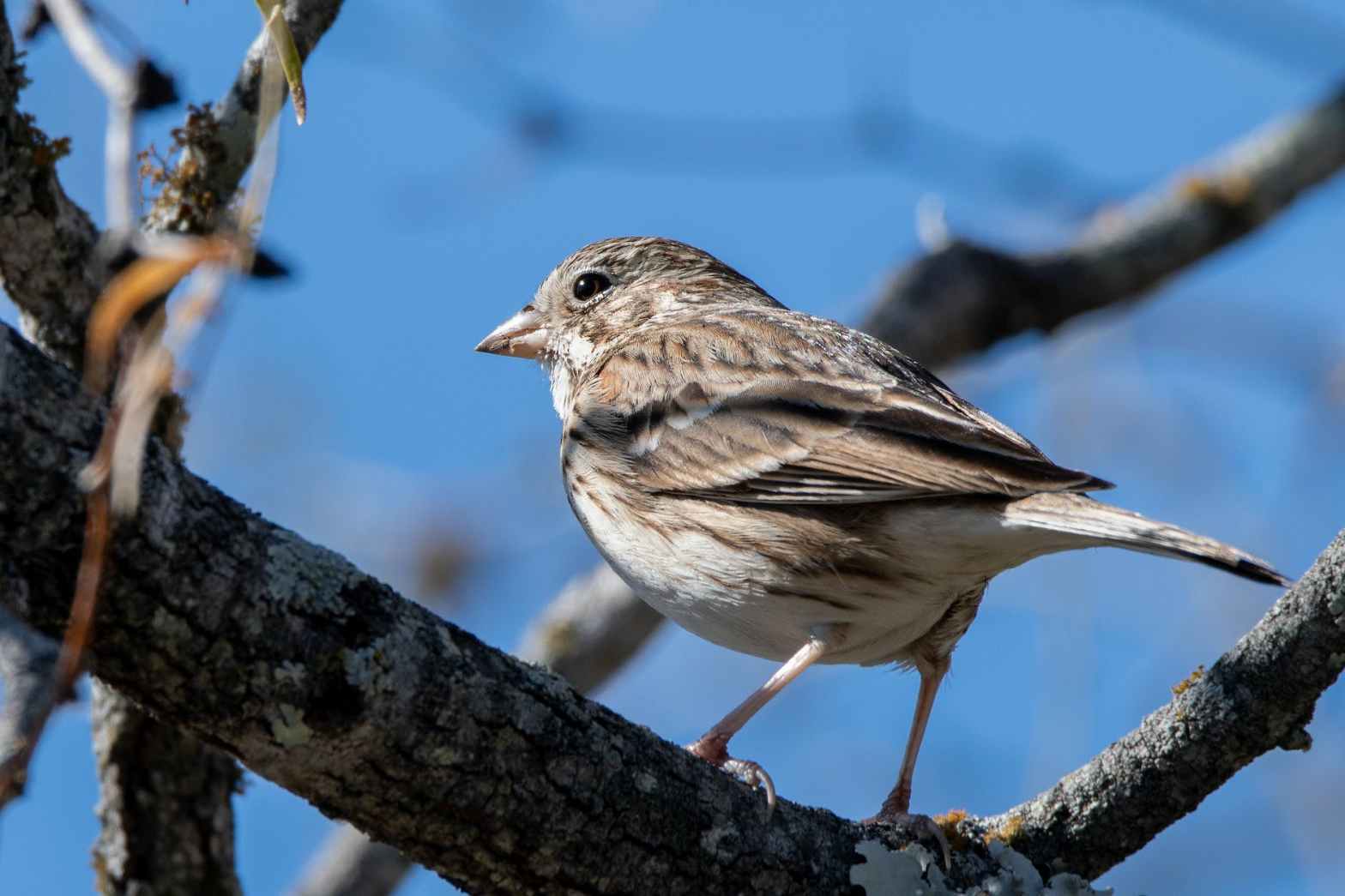
Image by Luke Wallin, author, visual artist and professor emeritus of English at the University of Massachusetts Dartmouth, USA.
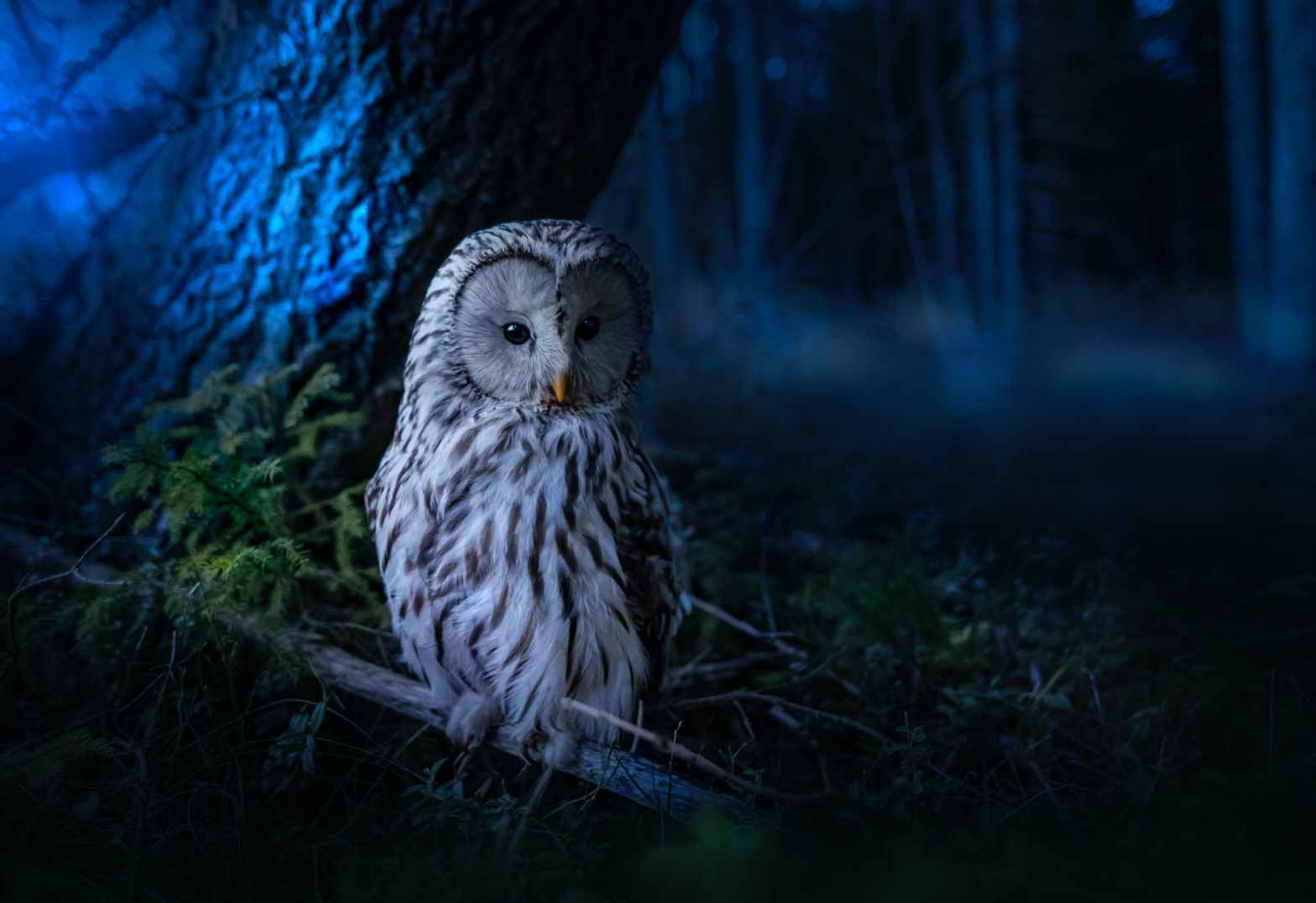
Semi-solid Light – a poem by Chris Wardle

Semi-solid Light


We are both prayerful.

She, with the commanding worship of her evensong,
and I, with Isha’s joyful submission,
“Bismillah-ir-Rahman-ir-Rahim.”

Both beckoning, sightless, in Owl
and Arabic, to mysteries
beyond understanding.

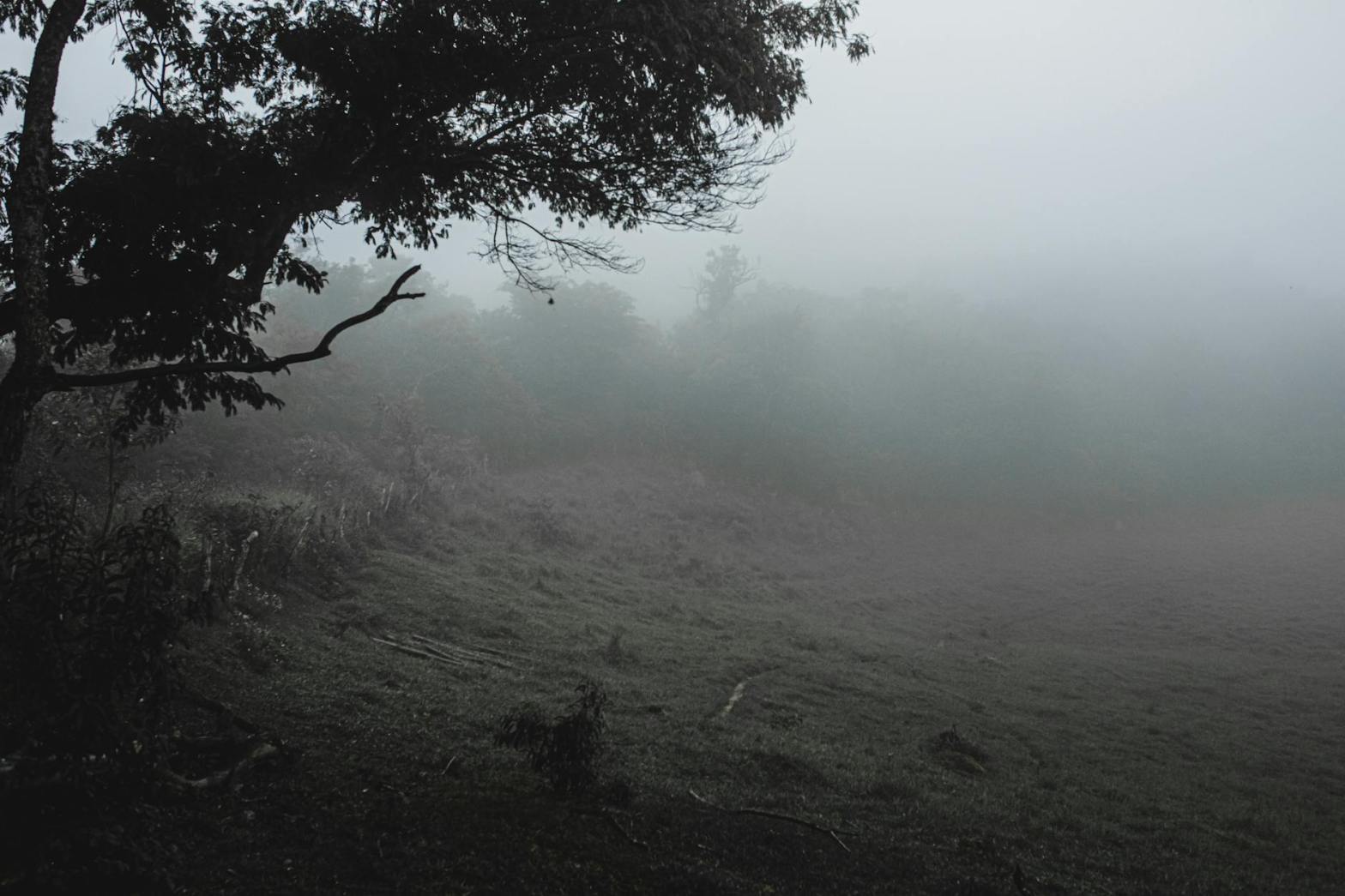
Like this belligerent mist, toiling to drown
even the glow of the street lamp.
Embroiling it within an unfolding
of semi-solid light.

A mischievous haze
dazzling, rising, lightly blazing,
to swirl over stoops, and under eaves.

Ponderously striving to deny
the very forms of her forest, our heavens,
and these man-made structures.

But it too, eventually,
rises from prayer,
and submits with grace, to Grace.

And with new clarity, our vision
of a darkly clouded sky, returns,
crowded, with gratitude.

Chris Wardle (Hamza) works at being happy and grateful, while writing with an eye for wonder, a taste for questions, and a sense of proximity to the Sacred. A relative newcomer to sharing his poetry, he has been published in: Blue Minaret, Pandemonium (2022); and Green Ink Poetry (2023).

God considers Her creation – a poem by Helen Evans

God considers Her creation 


Well before dawn I sprinkled sunflower hearts
across the frosted planks of the decking
for the sparrows and blackbirds and dunnocks
right next to the hedge they hang out in.
They haven’t been near the place since.
Is it because I’m here, watching? Instead,
they flit, and cling to shining twigs, and preen.
The winter sunrise, streaming from behind,
illuminates their feathers when they fly.
Fluttering light surrounds each silhouette:
hard-edged bodies with translucent wings.

Perhaps they’re not hungry. Perhaps hunger
means less to them than preening in the sun.
What more can I do? Why don’t they come?

Helen Evans facilitates Inner Room, a pioneer lay ministry that creates space for people to be creative, and is piloting a new project, Poems for the Path Ahead, which in 2023 included poetry workshops held in a cathedral in England and in a consecrated cave in Scotland. Her debut pamphlet, Only by Flying, was published by HappenStance Press. Her poems have appeared in The RialtoThe NorthMagmaWild CourtThe Friday Poem and Ink, Sweat & Tears. ‘That Angel Hovering’ was a joint winner of the Manchester Cathedral 600 Poetry Competition. She has a master’s degree with distinction in Creative Writing from the University of St Andrews. www.helenevans.co.uk

Psyanka – a poem by Rita Moe

Psyanka


The Ukrainian tradition of intricately patterned, multi-colored eggs is older than Christianity. Originally a spring ritual in honor of the sun god Dazboh, when Ukraine accepted Christianity in 988, the custom was adapted as an Easter ritual. Under Soviet rule, in the twentieth century, the custom was banned. Around the world the custom was kept alive by the Ukranian diaspora and has once again been revived in the homeland. Pysanka refers to one decorated egg; the plural is pysanky.

Image credit: Lubap, CC BY-SA 4.0 <https://creativecommons.org/licenses/by-sa/4.0>, via Wikimedia Commons


All year they gather materials for the dyes:
flowers of woadwaxen for yellow,
onion skins for gold.
Crimson is derived from logwood
and the crushed bodies of conchineal beetles;
dark green and violet from the husks of sunflower seeds;
black from walnut husks.
Berries, bark, madder root, cow urine, sprouts—
all gathered to yield the richly colored dyes.

After Yordan on January 19
(Epiphany by the Julian calendar),
they begin to set aside eggs.
The eggs must be fertilized
and only the smoothest,
most symmetrical, and lightest
in color are kept.

When Lent arrives,
it is time to begin the pysanky.
Grandmothers, mothers, daughters
work at night in secret,
using family dye recipes
and design patterns
passed down for generations.

The designs are written (not drawn) on the eggs
in hot beeswax with a pysachok (stylus).
After each inscription, the egg is dyed,
working from light to dark:
yellow to orange to red to purple, brown, black.
Always light to dark.
Alum helps the natural dyes adhere to the eggshells.
After the final dye, the eggs are warmed
and the wax is wiped off with a cloth.

A large family might make sixty eggs each year.
On Easter Sunday, they are brought to church
to be blessed by the priest.

And then they are given away;
lighter colors to children, darker colors to elders.
Everyone receives an egg.


A List in Celebration of the Giving of Pysanky


1 or 2 to the priest, who has blessed the eggs, who brings news of the Risen Savior
3 or 4 to the cemetery, in honor of those who have gone to their Maker
10 to 20 to the children and grandchildren; each child gets an egg
10 or 12 to unmarried girls, who give them to single men
3 or 4 are set aside to be placed in coffins of persons who might die in the next year
3 or 4 are kept in the home—in the cupboard, on the windowsill, on the mantel
to protect the home from fire, storms, lightning
3 or 4 are placed in the mangers of cows for plentiful milk
3 or 4 placed in the mangers of sheep for safe lambing
1 beneath the beehive to bless the honey and the bees
1 for each grazing animal sent to pasture in the spring
1 in each hen’s nest for good egg laying
Today it is Easter. Everyone receives an egg.

Rita Moe’s poetry has appeared in Water~Stone, Poet Lore, Mad Swirl, Slipstream, and other literary journals. She is the author of two poetry chapbooks, Sins & Disciplines and Findley Place; A Street, a Ballpark, a Neighborhood.  She has two grown sons and lives with her husband in Roseville, Minnesota.  

Medinat Habu, outside Luxor, Egypt – a poem by Kathleen Calby

Medinat Habu, outside Luxor, Egypt

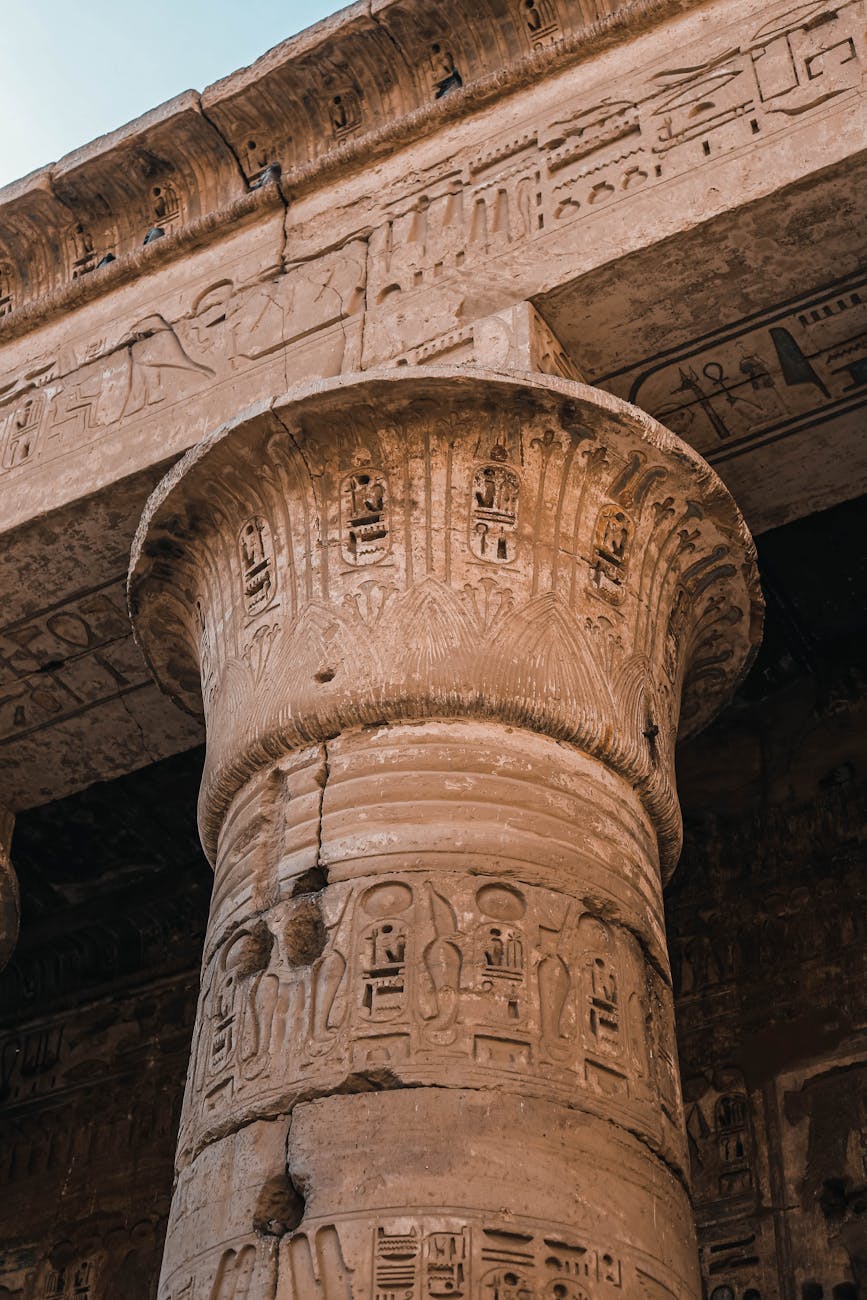
This, a temple at the site of the origin of creation, a primordial swamp, from which the god Amun rose. Known as the god of deities, he later merged with the sun god, Ra.


Before, before, before humans broke
through the slime, before pharaohs
were formed, before temples built
for belief were set, the great god
Amun appeared on this spot, mark
it now. Feel how energy rises
from your soles, which is why
stones are stacked in stately ways,
why columns once held roofs,
led paths into mystery,
because what can’t be spoken,
can be prayer nonetheless.

Kathleen Calby lives in the Blue Ridge Mountains and hosts writer events for the North Carolina Writers Network. Her work appears in San Pedro River ReviewNew Plains Review and The Orchards Poetry Journal. Named a 2022 Rash Award Poetry Finalist, Kathleen published Flirting with Owls (Kelsay Books) in 2023. Her Sufi background and other mystical associations contributed to a recent full-length manuscript she is completing about ancient and contemporary Egypt and the Pharaonic Era landmarks she was privileged to experience. Back home, Kathleen enjoys fried chicken and biscuits a bit too much and long, strenuous walks not enough.

Markings – a poem by Clive Donovan

Markings

What markings, then, on the path have I left?
What inkling prints or spoor displayed
for others to follow – that tireless rabble
of curious scientists, disciples,
and ankle-sniffing catchers of prey, adopting
those difficult ways and defiles I have trod.

I wish and need to know and so, retreating
from the storm-lashed summit I almost reached,
through filth and floods obscuring tracks,
I find one such and bind and shake him
till his teeth rattle, demanding, who are you?
I am you, says he.

I am the one you dropped, my friend,
as excess baggage long ago. And the others?
Stopping also, they have strayed to fresh obsessions.
It is only you and me remaining.
Return and hold to your ascension
and I shall write about your subtle signs.

Clive Donovan is the author of two poetry collections, The Taste of Glass [Cinnamon Press 2021] and Wound Up With Love [Lapwing 2022] and is published in a wide variety of magazines including Acumen, Agenda, Amethyst Review, Crannog, Popshot, Prole and Stand. He lives in Totnes, Devon, UK. He was a Pushcart and Forward Prize nominee for 2022’s best individual poems. 

defiles, n. a steep-sided narrow gorge or passage

Eastertide – a poem by Jane Blanchard


Eastertide


The latest funeral has come and gone—
Now all remaining mourners must move on.

Though tired, we choose to walk, to look around—
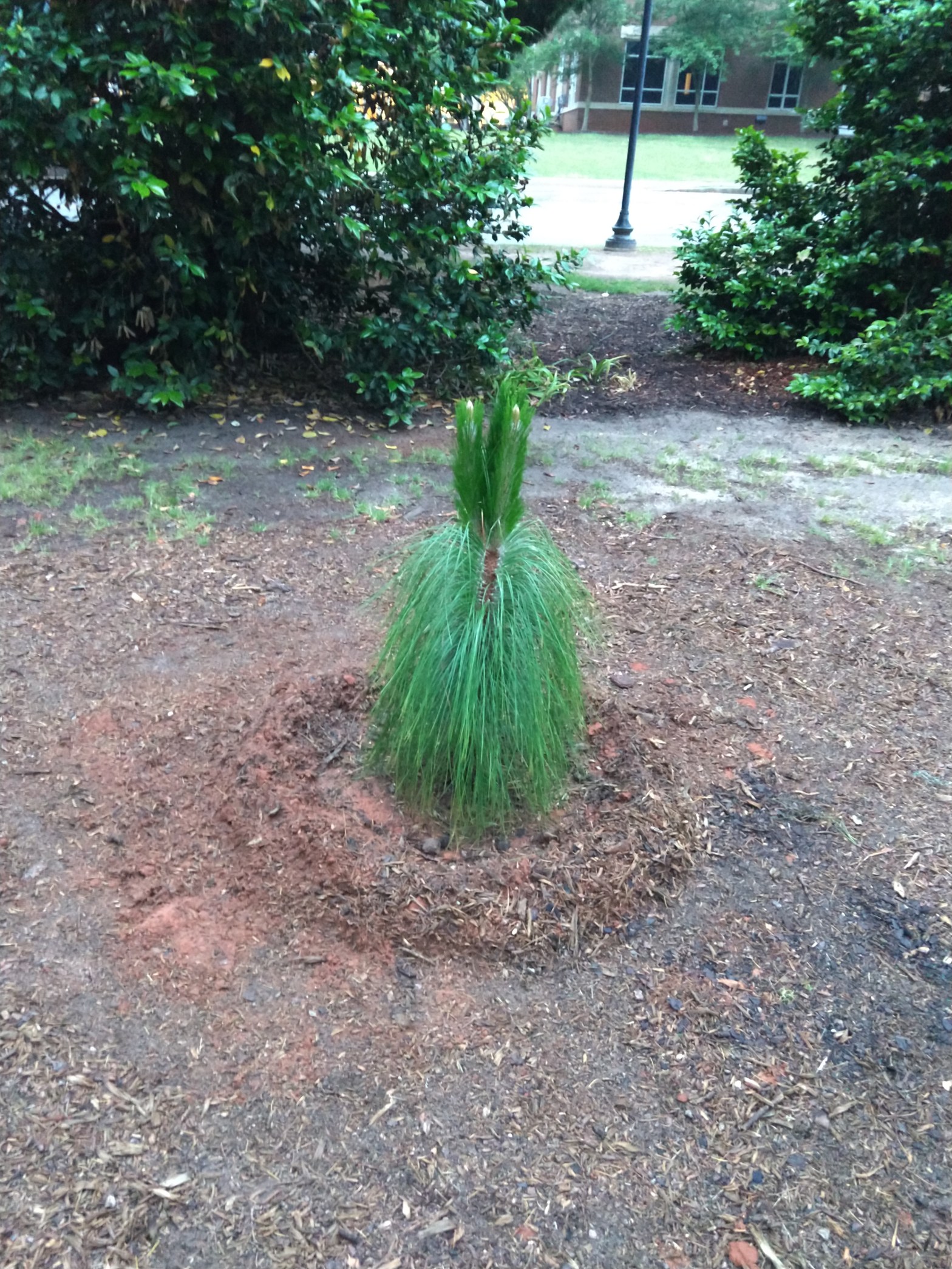
And find a tiny pine in just-turned ground.

We stop to stare at cuteness so overt—
With long-leaf needles like a hula skirt.

Its still-straight trunk tops out in triple shoots—
Perhaps two feet above its buried roots.

Such takes the place of what expired last year—
An elder specimen removed from here.

Encouragement can come from some new tree—
Thanks be to God for serendipity.


Jane Blanchard
lives and writes in Georgia (USA). Her poetry has recently appeared in Lighten Up Online, Molecule, and Panorama. Her latest collection is Metes and Bounds (Kelsay Books, 2023).

Mayday – a poem by Simon Maddrell

Mayday


Mooinjer veggey are well enough like 
	people we can see, mostly benevolent 
even if some prey on the weak especially 
	on Oie Voaldyn when the bridge across 
to summer is unguarded. Homes though are
	defended by croshyn and sumarkyn  
hanging above the threshold and on back doors. 

	Fire is the key, not just to block bad luck 
but stop themselves from stealing the good. 
	If you have land, then find a bush 
and burn the buitçh hidden in gorse, those brown
	-dead sprigs alongside sap-filled spines 
in yellow bloom. No sacrifice is visible 
	though spirits cackle in the flames. 
Know you’ll be unforgetting an ancient tradition 
	heeding warnings from somewhere else. 

mooinjer veggey  faeries, literally ‘little people’  /  Oie Voaldyn  May Day Eve  /  croshyn  crosses  /  sumarkyn  primroses  /  themselves  faeries  /  buitçh  witch  / ‘burn the buitçh’   tradition to expel evil spirits

Simon Maddrell writes as a queer Manx man, thriving with HIV in Brighton & Hove. Since 2019, over a hundred of his poems have appeared in numerous publications including AcumenAMBITButcher’s DogPoetry Wales, PropelStand, The Gay & Lesbian Review, The MothThe Rialto, Under the Radar. In 2020, Simon’s debut chapbook, Throatbone, was published by UnCollected Press, and Queerfella jointly-won The Rialto Open Pamphlet Competition. In 2023, The Whole Island and Isle of Sin, were both Poetry Book Society Selections. a finger in derek jarman’s mouth marks 30 years after Jarman’s death (Polari Press, Feb. 2024).

I am the Sky – a poem by Claire Coenen

I am the Sky

You are the sky. Everything else – it's just the weather.
—Pema Chodron, When Things Fall Apart


If I am the sky,
the lightning bolts
and tornadoes
of my mind
cannot burn me
or turn me
upside down.

If I am the sky,
I do not resist
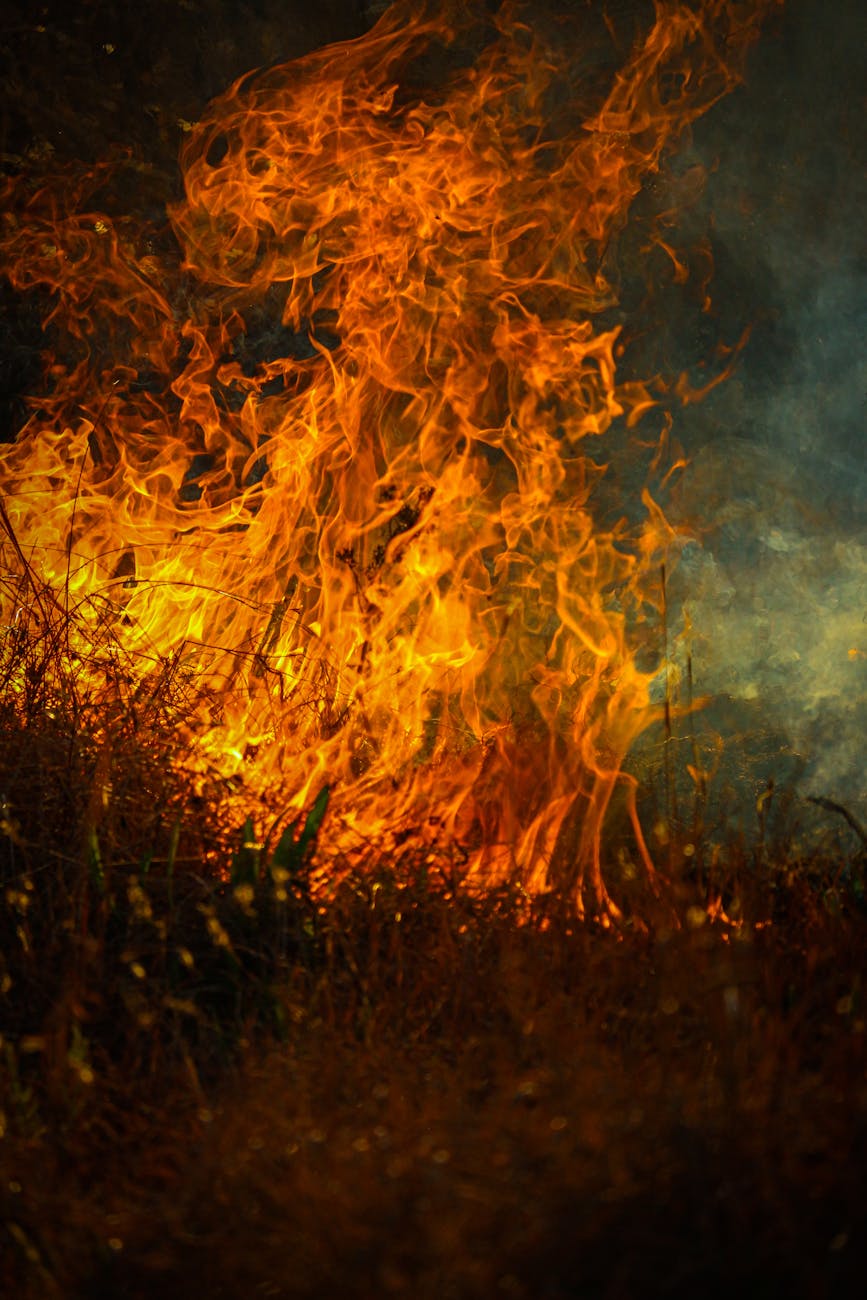
the wildfires,
hurricanes,
or fog in
my brain.

If I am the sky,
I allow
pillowy clouds,
rainstorms,
and stars

to rise,
to move,

to say
goodbye.

Claire Coenen is a writer and social worker living in Nashville, TN, where she teaches expressive writing. Her debut collection, The Beautiful Keeps Breathing, is forthcoming with Kelsay Books in spring 2025.

Gods of the misty lands – a poem by Alexandra Fössinger

Gods of the misty lands 

[B]ut it is only what happens, when they die, to all mortals.
The sinews no longer hold the flesh and the bones together,
and once the spirit has let the white bones, all the rest
of the body is made subject to the fire's strong fury,
but the soul flitters out like a dream and flies away.
– Homer, Odyssey


The Gods forced into the here and now

On the plains they hide
in the forests the bogs and the stones
the Gods of misty lands
the Gods of trees of moss of earth –
receding giants
without conscience or fault.

They’ve nothing left to feed on
but the spaces in between,
the sacredest spots ever
disfigured by mankind.

Nevertheless,
we clad the dark ages in splendour,
nevertheless,
we’ve forced them back –
nature’s gifts brutalised
into harm.

Who is to blame?
Nature was full of gifts.

And Gods aren’t solid.
The nature of nature is not to be solid,
even rocks mutate
as Gods transform.


How it came to be

The summer of 1817 was frost without light,
and on Lake Geneva Miss Shelley
unleashed her beast into the world –
a human-made God, a Romantic
automaton, as we stepped
into the industrial sun.
Away from ourselves.

What do dreams become,
when the dreamer is no longer hungry?
Deprivation of food gave us visions.
A little less than what is wanted
makes us humble and sharp,
but to have one’s fill leads to
more (empty) hunger,
and more.

Some things we cannot speak of
as idea, only the thing in itself.
We drove ourselves away from the thing
as it was, too fast for the mind
to follow the body.

And the body is matter, and symbol.
We wouldn’t let go, broke ourselves
down to nothing, to see how unreachable
we could possibly be.
We gave up the soul for the matter.

Who knows, perhaps only
transhumanists will learn the horror
of being imprisoned forever.


Re-becoming shamans

Shamans were messengers.

When we are born we start
only seemingly off as mere body,
filled with hunger and greed.

Yet we are coming from somewhere.
Always from somewhere,
and the memory lingers.
We are as spiritual as newborns as
we will not be again later in life –
except, perhaps – some – in the
lonesome wake of a passage.

Only the untouchables never lose it.
They have to take up the fight
for all others.

The shaman knows
there are two kinds of madness:
the falling out of oneself, dangerous to others,
material megalomania;
and a descent into the self,
the knowledge of presence’s intensity.

When we become feral, the dumb one gets violent,
the sage more knowing.

Ask the birds who painted Grotte Chauvet.
They will give you the answer:
materialised spirit.

We’re too awake to dream, even sleep now,
human experience displaced by rules
learned by heart without heart.
How can the dreamer coincide
with the self wide awake?


What the spirit world is doing in its defence

Is the spirit world, too, growing more evil,
did we force our conscience upon it?

The cold lemony light in autumn
will be at its most beautiful again
once mankind is gone –
no one to see it.
Animals on land, in the seas
are forming an army.

The nature of nature: what we see
as double, is one. Nature is merciless,
deadly,
it has no remorse.

It is –
full of gifts.

Listen; if we do not glide back
into original silence,
it will have us.
The Gods of misty lands reclaiming their place.

Alexandra Fössinger is the author of the poetry collection Contrapasso (Cephalopress, 2022). Her work is published or forthcoming in Tears in the Fence, The High Window, Frogmore Papers, Reliquiae, Mono, La Piccioletta Barca, and the White Stag Spirit anthology, among others. She is mostly interested in the spaces between things, the overlooked, the unsaid.