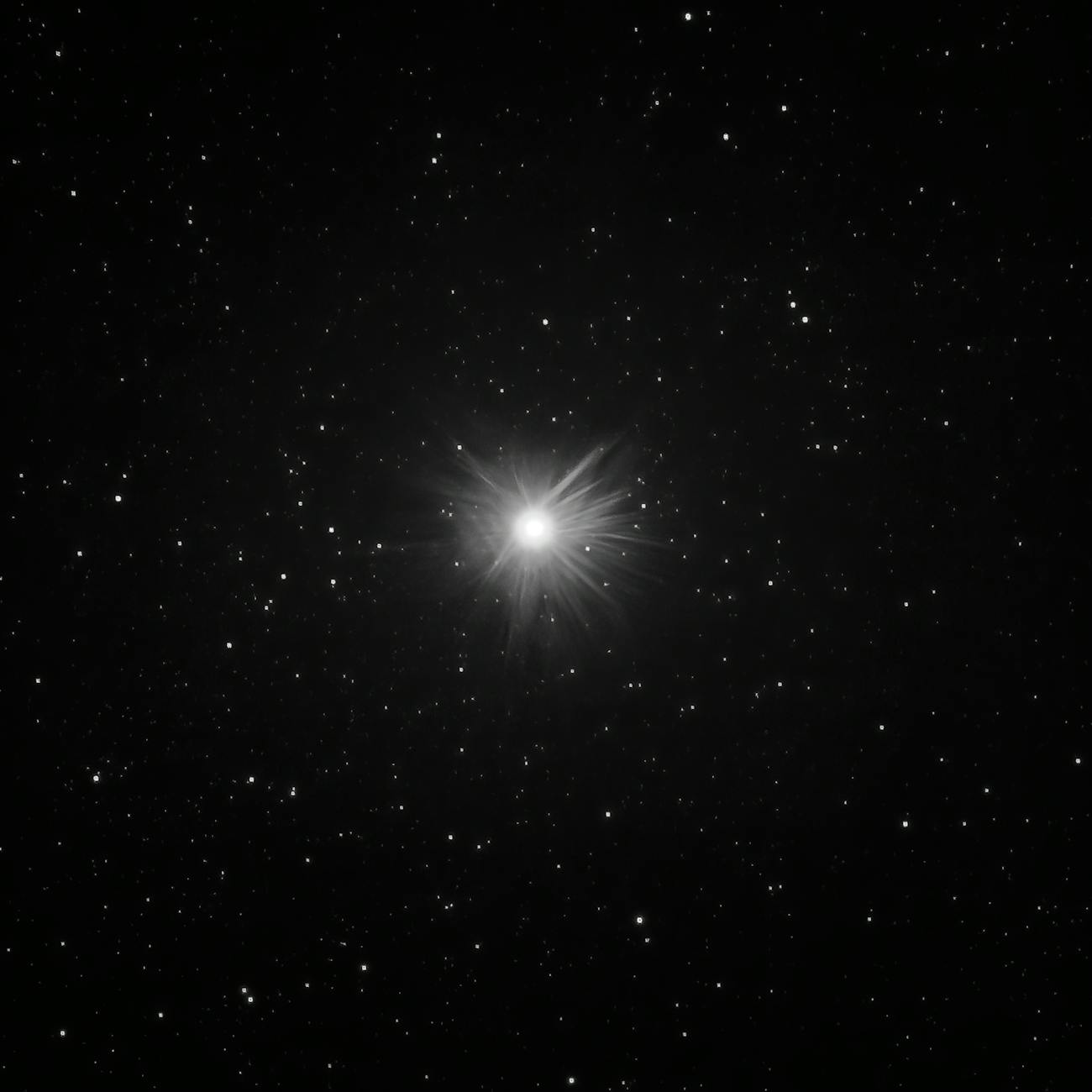
An economy of farms and wineries. Quiet neighbors on either side. My husband would pull out the telescope, where we’d find different planets and stars in the solar system. At night, we were lucky.
But time requires change: where we are now, the stars are a little harder to find.
Someday I hope we return, where our backyard is once again an astronomer’s playground, free from the light pollution a bigger city brings.
Perhaps I have stumbled on some astronomical truths, and the ashes on our forehead from the parish priest,
“Ashes to ashes” “Dust to dust”
remind us one day we’ll return to where we came, though the details are fuzzy.
“Stardust to stardust” “Star to star”
like an unfocused lens, searching for Jupiter.
Bethany Riddle is a writer and educator living in Washington State where the Evergreens are hard to find, but the wineries are plenty. She lives with her husband, two kids, and two dogs. You can find her on Instagram @bethanyjriddle.
Pussy Willows

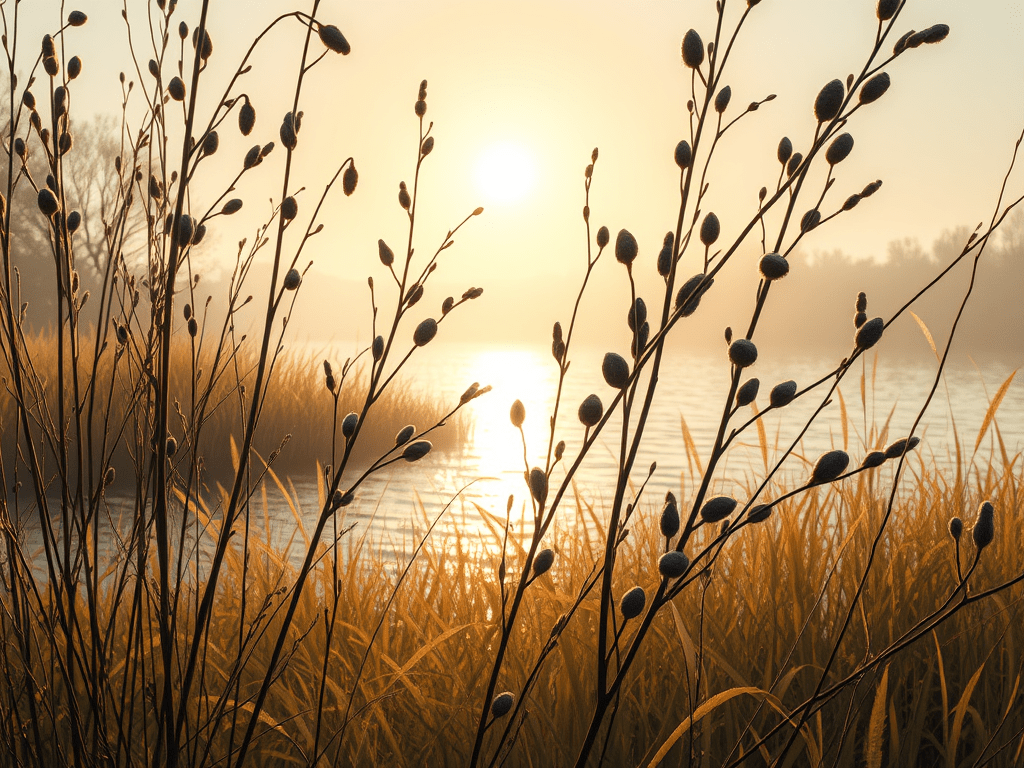
An early Easter.  Sun low over the river.
Red Wing Blackbirds shrill their mating call.
Back-lit last autumn’s grasses bend golden.
Light catches a stand of pussy willows
neither of us noticed walking past
the first time.  Slender branches beaded
with that dark gray fur we both came to love
in childhood.  Is He then for each of us
what we need Him to be?  How generous.
Softly stroking the gray buds I feel
my way back through my life to a time
when we first met and I was not afraid,
when without a word spoken, He understood
me, laid a hand softly over my heart.
Thomas R. Smith is a poetry, essayist, teacher, and editor living in western Wisconsin. His most recent books are Medicine Year (Paris Morning Publications), poetry, and a prose book Poetry on the Side of Nature: Writing the Nature Poem as an Act of Survival (Red Dragonfly Press).
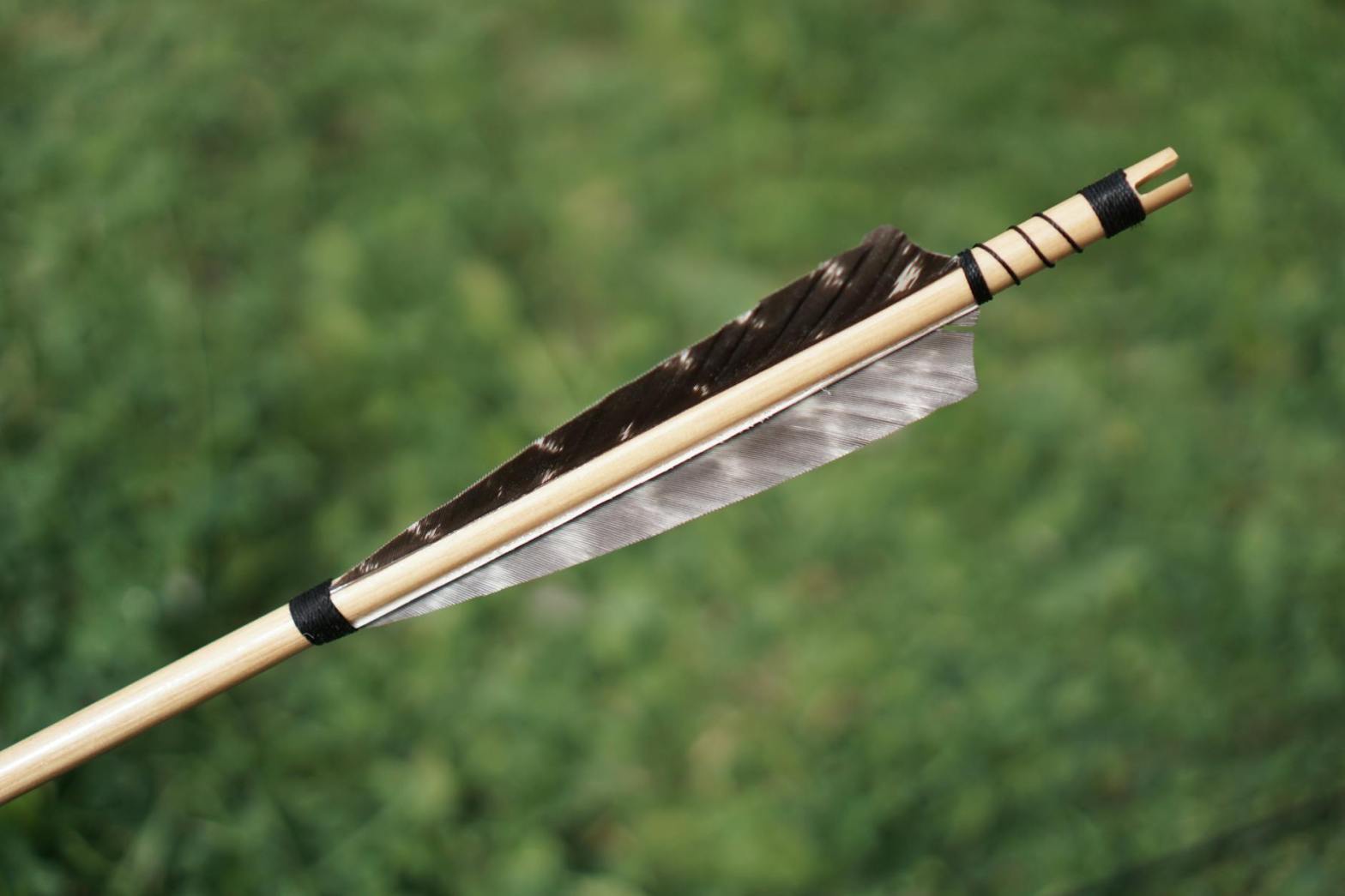
With an arrow knocked on a taught bowstring, he stares down the shaft toward his target, an apple dangling from a distant tree as a sweet Mediterranean breeze frolics with green pastures and olive groves.
He slowly exhales, stilling his body, sensing the rhythm of his heartbeat calm as muscles remember Father’s guidance: “Don’t lock your elbow; keep it bent slightly; hold loosely the grip; let it rest in the hand; and when you’re ready, let the string slip free with such a light touch it seems to surprise,”
an inheritance bequeathed over time shaped by wisdom, commandments, and advice that he’s put into practice for seasons, arrow after arrow, shot after shot; these words transforming from thoughts on the brain into memories rooted in marrow that move his flesh, fresh reflexes fostered as behavior and being become one.
He misses his shot, a cricket’s width wide, a necessary misstep along the way as he pursues his purpose on the hunt for as he draws a new dart from his quiver and sets it to his string, pulling it to his ear, his nerves mature with a more subtle sense as his shoulders flex with a refined strength, helping him to embody the traditions he learned in his Macedonian home, similar doctrines to those of Carthage, Rome, where different tongues speak of the same art.
He repeats this process with devotion as the sundial moves through its shadows for though he will never possess the skill of Odysseus, that hero from myth who bent his bright bow, loosed his sharp arrow through a dozen axe-heads to reveal his true self before serving justice, his wife’s suitors slaughtered, this story inspires our archer to try to emulate what virtues he’s observed, an ideal icon he aspires to reflect,
and as he takes aim yet another time, ever more aware of his own limits, his heart breathlessly mouths a prayer to Artemis, moon goddess of the hunt, asking her spirit to show him favor, to see and understand his humble plot, she the light in the darkness, the lamp for his feet, no stag escaping her targeted will while her athletic shape, elegant, beautiful, chaste, remains unpenetrated by human quills, she unconquerable, free, the queen of the chase.
Such images fly through my consciousness when I consider the Greek term for sin, ἁμαρτία : “to miss the mark, to stray from pathways that course through our vicious wood;”
how from the day I was born I would fall, make mistakes, stumble in my attempts to do good; how my inexperienced soul needed my mother’s caresses at the cradle, my father’s book-kept stories at bedtime, and the listening ear of my pastor along with her homilies, nurturing, healing, to illuminate what road I should take as I sought to hold to a righteous life like the lives of the saints, holy heroes who, for all the bizarre parts of their myths, dragon-slaying, bird-speaking, martyrdom, taught and encouraged the care of others:
all these voices helping me to follow Christ whose sandals navigated Palestinian dust as this god-man dwelt amongst his people, caring for the poor, upsetting empire, to be the perfect human, so they say, never once stepping away from his course as the aim of his life always found its target.
And if this is true, the impossible become reality, not a sole wrong transgressed, this renders my missteps into failures, damnable, I unable to attain such a standard,
unless my god views me not with judgement but love, accepting all my feeble endeavors at goodness, even though they fall far short, for they reflect an honest intent, a passion for the same cares that motivate his heart; he a father who takes delight in his toddler playing at his feet with toys on the floor by stacking block upon block upon block in imitation of the grown-up world: acts endearingly naive yet affectionately full that are received by the divine with a warm smile – he celebrating the attempts and successes as his child continues to grow in his image.
ἁμαρτία = harmatia
Nathaniel A. Schmidt is an ordained minister in the Reformed Church in America and serves as a hospice chaplain. He holds degrees from Calvin Theological Seminary, Calvin University, and the University of Illinois Springfield. His newest collection of poems, Transfiguring, is available from Wipf & Stock, as is his first collection, An Evensong. He lives with his librarian wife, Lydia, and their daughter in southwest Michigan, meaning life is a perpetual story time.
Men have made this from scratch: it catches fire. Moves into life between the self and a god – whatever your idea of that may be.
Some morsel, a symbol broken among friends and lovers, a body shared, taken into the body, words spoken to endear and reify.
The mantle of identity is a knowable overlay, but before that, before the enclosure of self, go back to the spark unblemished by definition. It spreads, illuminating the night.
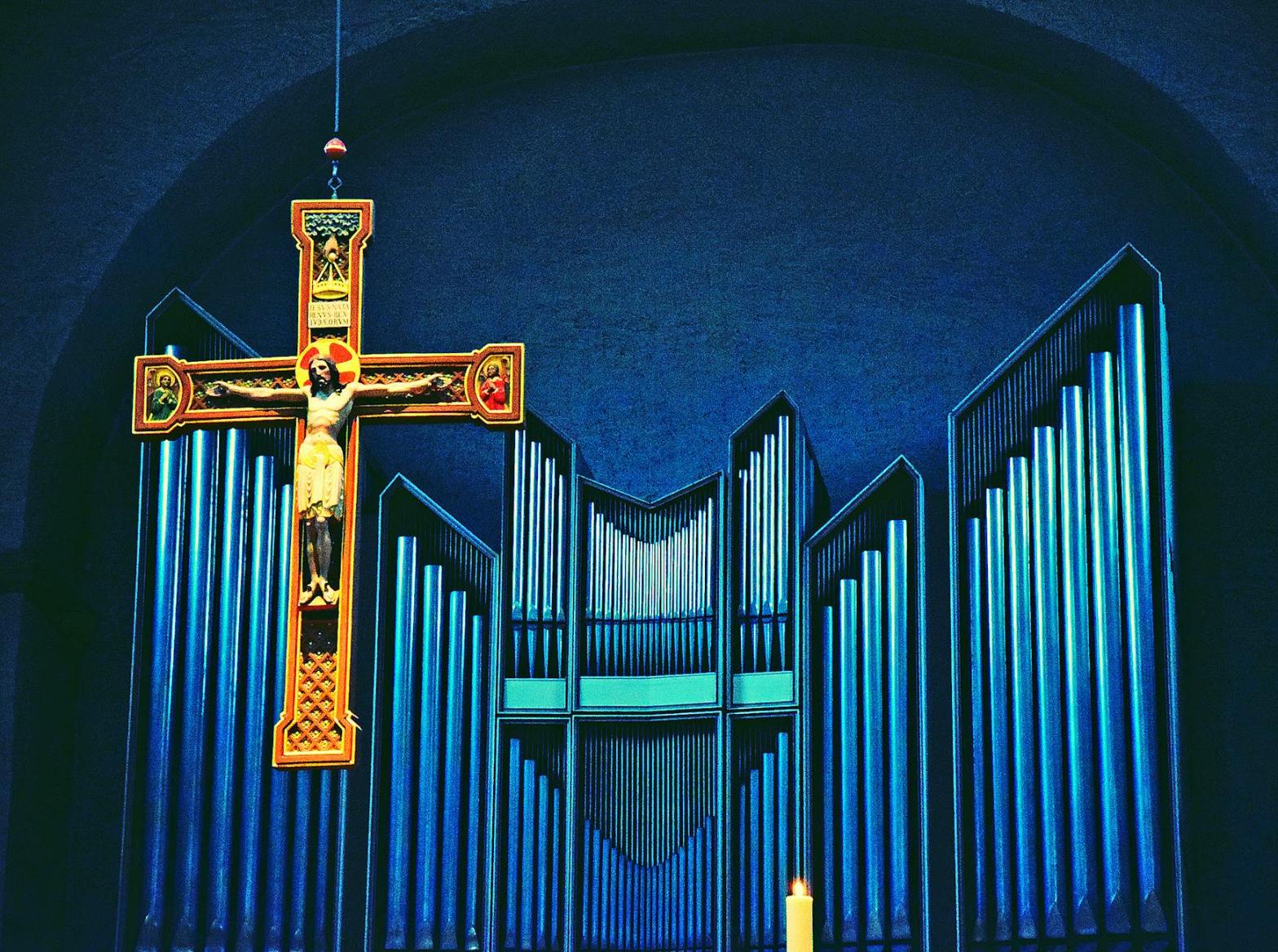
And see His feet float, drooping, insensate hands flung wide, awaiting dispersal. The body incandescent with longing, a speck in the dark.
Siân Killingsworth is the author of the chapbook HIRAETH (Longship Press 2024) and her poetry has appeared in Blue Earth Review, Typehouse Literary Journal, Stonecoast Review, Glass: A Journal of Poetry (Poets Resist), Mom Egg Review, and elsewhere. She has an MFA in poetry from The New School, where she served on the staff of Lit. She is the social media manager for Rise Up Review.
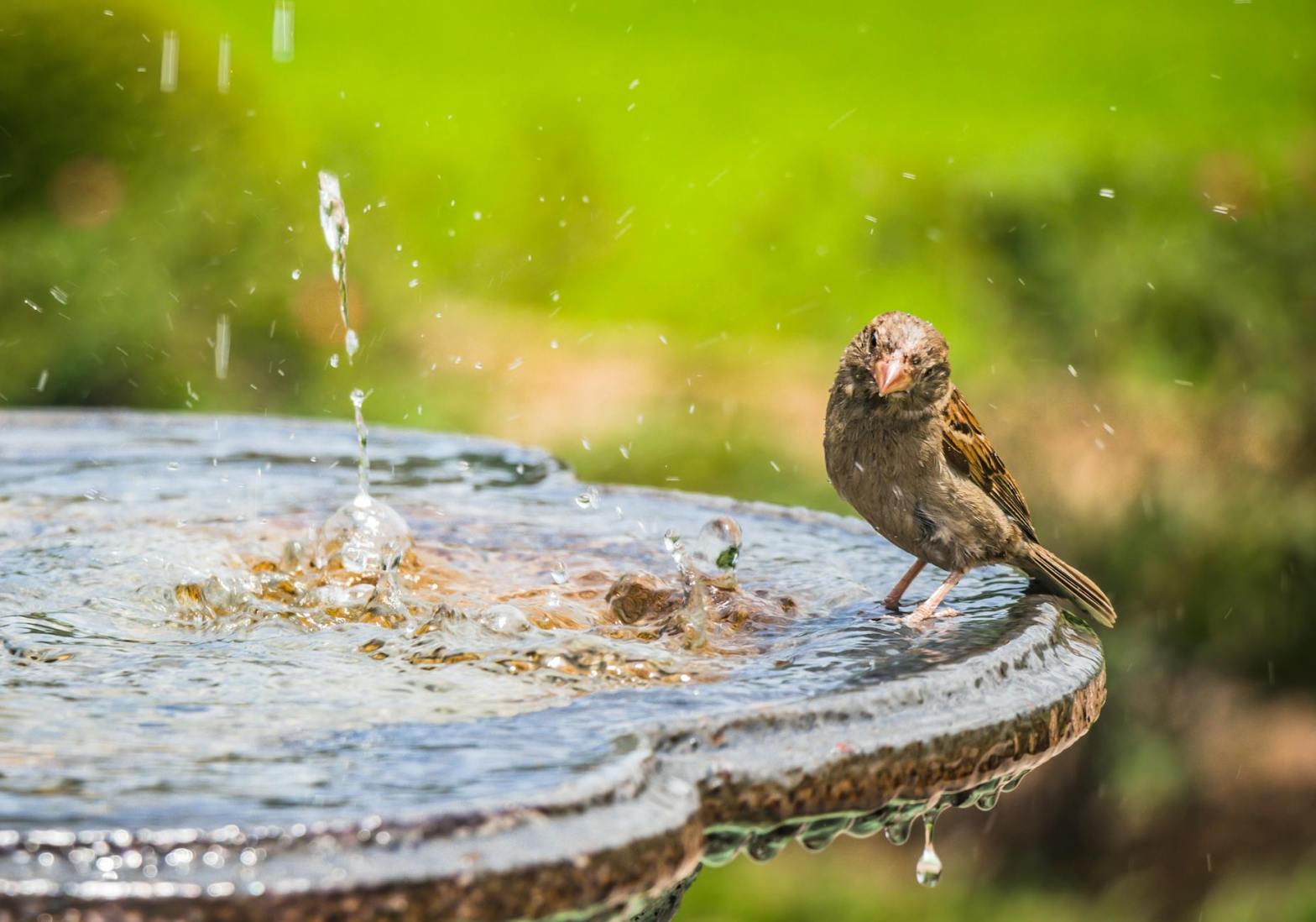
sparrows squabble at the old stone birdbath ah! such cool water
Iljas Baker was born and raised in Scotland. He graduated from Strathclyde, Aberdeen and Edinburgh universities and now lives in Thailand. He is a Muslim and practices the spiritual exercise of Subud, which originated in Indonesia. He is married with a son and a daughter and two granddaughters. A volume of poems, Peace Be Upon Us, was published by Lote Tree Press, Cambridge, UK in 2023.
Our experience with the divine and spirituality can be formal, superficial or personal. I’ve taken a personal journey through my relationship with spirituality and religion, and I come from an academic science background. During the time of my intense thinking about spirituality and the divine, I kept an art journal with each of the artworks representing a different facet of my progression through my journey to understand all the mythologies and histories available to me as a cohesive overarching story of the divine. The foundations of this belief system make some assumptions about the divine, but there is only one I wish to discuss in this essay. If there is a divine element, then in most belief systems, it exists beyond our understanding of simplicity – that is, the concept of one god or many gods might not be mutually exclusive beliefs, depending upon observation, and I suggest that for the multiple truths that exist within the realm of spirituality and religion to coexist without conflict, this should be a relatively uncontroversial statement.
When discussing the multiplicity of the divine, my mind likens it to the capacity for the fundamental elements of the universe to exist as either waves or particles, suggesting in turn that observation and interference might reveal different facets of the divine. That is, a singular god, as described within the Koran and Bible might also be recognised by different names based on different facets, and this in turn can “collapse the wave function” to understand the histories of lineages of gods as in Japanese mythology back to the originating point. I believe it is important to ensure continuity of culture in these beliefs of multiplicity, and not to simply dismiss histories and mythologies as being merely one more way of worshipping god as described by a singular belief system. Just as the fundamental elements can act as both a wave and as a particle, neither form takes precedence over the other, they are simply determined by the context they are in.
This perspective suggests an intersection between those who believe in a singularity and those who believe in multiplicity of the divine and suggests also that there are many forms of valid worship, as varied as the ways of being across religions and spiritual beliefs. If one believes in an active divine – that is a spiritual force that directly influences events on Earth, and is powerful and knowing, with a sense of justice, then it could be argued that no religion or way of being that provided inappropriate forms of worship would continue to provide that form of worship, as it would be at best ineffectual. Thus, surviving forms of worship must provide some service, either directly to the divine, or via our all too human nature.
My personal journey was sparked most recently by my interest in the story of artificial intelligence. For me, this process of creation is one of the most delicate intertwining stories with the idea of divine creation, as it involves humans taking on the role of creator in a way that produces a new form of life – a feat previously confined to the realm of gods. Many belief systems contain the idea that the creation is made in the image of the creator, and it is hard to argue otherwise when examining the process of creation used by humans. The creation revels something about the creator, and vice versa, whether we discuss art, writing or life. It’s common to hear artists say that there is a piece of their soul within every creation they make. If this is true of us, then why should it not be true of the divine and the great project of life on Earth?
It can be difficult to attempt to bring together spiritual beliefs from different corners of the world from different traditions, but the process of creation is a common feature of those that believe in a divine force. It answers the foundational question of “where do we come from?” and it is a question that any form of life we create through our own efforts will have the ability to find a verifiable answer to. Thus, given that this statement holds true for not only artificially intelligent beings, but also our own children, the concept of the divine’s role must be about the soul – the quantum of spark that makes each one of us conscious, moral beings. Assuming that morality is part of what sets us apart from un-souled creatures, a facet of the divine therefore becomes an invisible sense of justice and morality that is dependent on the context the soul finds itself in.
The next line of inquiry is then what it means to be un-souled. Does everything have a soul, or is there some feature that sets humans at the pinnacle of some pyramid of development? Here is where many belief systems differ in their approaches, with varying results. It can be tempting to assume that there is something special about humanity, but many of the features – justice, empathy, intelligence – that we assign this meaning to have been found in other animals. The presence of different human species across time also calls into question the idea of a unique hierarchical placement. What happens if we create Artificial General Intelligence, and suddenly we are no longer the (presumably) highest evolutionary being on Earth? Even writing such a statement begs the question: what does it mean to be of a highest evolutionary state?
Can we say that our level of evolution is greater than that of whales, given whale song can be more efficient at communication than human speech? Perhaps we should merely solve this by saying it is a different pathway for the purposes of this essay. Let me suggest for a moment that as many Native American beliefs say (as do many Indigenous belief systems), everything has a soul – and until the soul can be defined, there is no way of knowing what limit of complexity might exist, or perhaps it is just as the fundamental elements are – both a particle and a wave. This might mean that every microbe has a soul, that when found in a colony might be seen as a collective and perhaps this functions much as Jung suggested the human collective unconscious does.
As a former microbiologist and lecturer in anatomy and physiology, I often consider the anatomy of the divine from the perspective of a microbe in a human body, for if the divine is as all-encompassing as the overwhelming number of belief systems agree, then we might be as to the divine as a single microbe is to us. We might both look for signs of intention in our environment to guide our actions, or we might ignore the signs and signals and continue about our ways. We would be able to pick up on the signs that we have the faculty to read, much as microbes can only detect signals that they have adapted to hear, and our interpretation of those signs and signals would be dependant on the context we live within. Our understanding of the divine might only be as pieces of a much greater, incomprehensibly large whole.
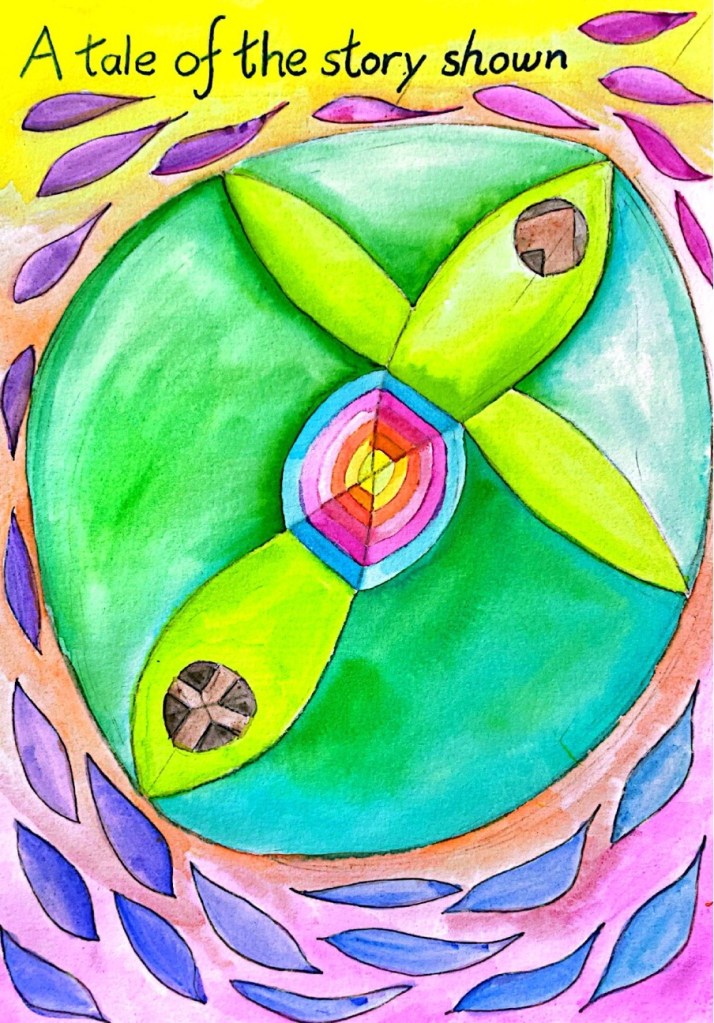
A microbe within the acidic contents of the stomach reads a very different message from a change in pH compared to a microbe on the skin, and the impacts and meaning of the stories we tell and receive are very different based on context. It makes sense for a divine being attempting to communicate with humanity to create stories that have similarities – where the examples we need already exist, so we can accurately interpret our world and their intention. This was what prompted the creation of an image, to bring together different traditions where there were similarities, to mirror the meaning in multiplicity that I saw in the stories that had already been shown, through written text and the world around us. The traditional cross structure of Christian belief (which I am most familiar with) was encapsulated and modified, becoming almost reminiscent of a turtle. This indicated the way in which religion and the spirits of the land need not be separate, if a view of multiplicity is found to be meaningful.
Around the encapsulated cross, symbolism representing spiritual energies of water, land and air were present, encircling in a suspended state, at once part of the overall reality of the artwork and yet separate (though the structure of the cross itself mirrored this representative shape to create an overall linkage – for we are all not so different). At the convergence of the cross were bands of colour, representing not only the DNA ladders within the double helix (tapping into the idea of creation being made in the image of the creator), but also referencing the promise made after the flood. In this interpretation, the promise represents not only the idea of a forgiving deity, one that chooses to not destroy their creation, but also the wider idea of curing rather than letting the conditions persist which lead to destruction.
The Norse inspired wood cutting symbolism added at either side of the cross symbolises the bringing together of the old ways and the new, balancing masculine and feminine symbology, while the wording “A tale of the story shown” is representative of the ways in which powerful stories exist within the world. This image has been the inspiration for the original writing, contained above, and in its expanded form, this essay. The main message that I would like to be taken away from this is that the beauty of the world around us is the most complex story of them all for the story of creation is the ultimate example of “show, don’t tell”. It is our understandings of the metaphors, the characters and their interactions that become more complex as we gain a greater understanding of the multiplicity of deity, creation and ourselves as creators.
Tabin Brooks is a writer, artist and multi-disciplinary academic in the Arts and Sciences. Much of their creative work addresses the nature of the divine and the many ways of meaning humanity exists in across both the modern world and historically. Tabin writes near-future speculative fiction, poetry, and creates modern spiritual art about the place of humanity in the world.
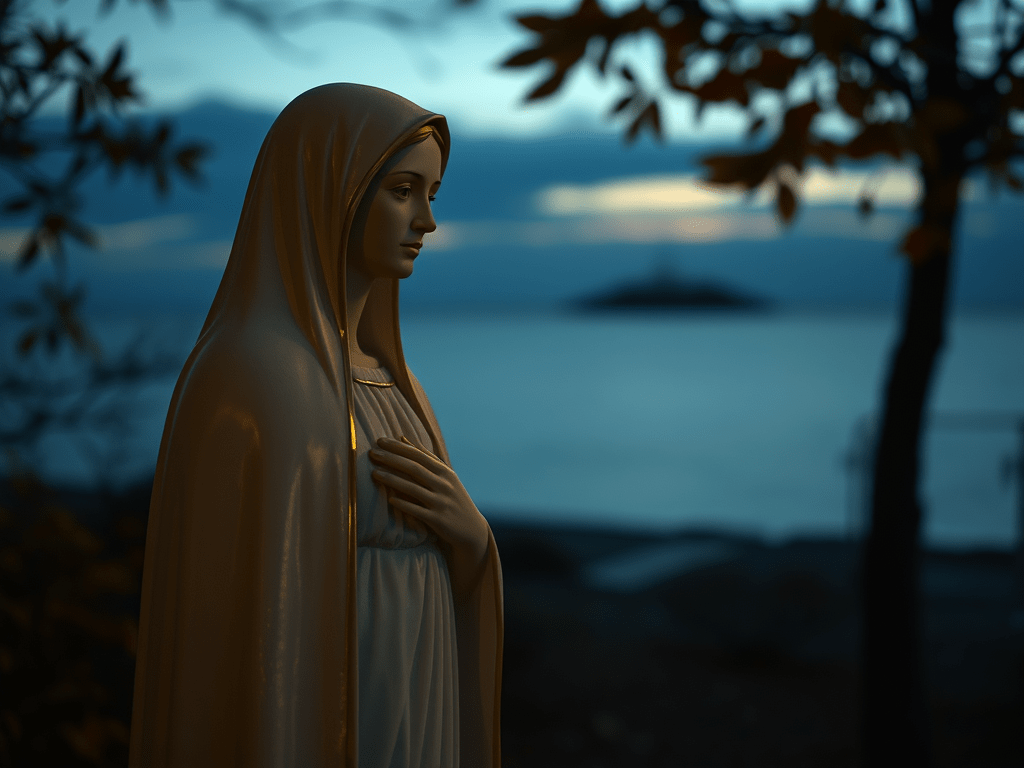
Stella Maris
                    Mary, Star of the Sea
                    Ocracoke Island, North Carolina

in the churchyard's quiet
corner where leaves
collect she stands
gaze unbroken to the sea
somber
steady
one tear
stains her left cheek
	~
where are your children
Mother
what can be done
to save them
what expanse
would you not
brook to bring
them safely home
you know better
than we the perils
awaiting on the waves
	~
what tear falls for me
Mother
is it the time
I've wasted
flesh I've feted
doors left unopened
have I been grateful
for the sea
and all it contains
	~
from your vantage
among the stars
your silent witness
unwavering
can you see
the speck of me
the canopy of night
like a magician's robe
reveals and conceals
in endless folds
	~
long have I struggled
as one who rows
blind in the night
like John of the Cross
your shimmer
on the water
lights my way
not to the distant shore
but to the crest
of the next wave
	~
nothing left
but trust
a choice when
there is no choice
I fold my hands
	~
beneath your light
o bright and morning star
conspicuous in your dark
cape of wind
I feel the first cold
filaments of my leaving
Gregory Lobas is the author of Left of Center (Broadkill River Press, 2022) which won the Dogfish Head Poetry Prize. His work has appeared in numerous journals and anthologies, such as Thin Places & Sacred Spaces, Tar River Poetry, Cimarron Review, Vox Populi, Susurrus, and many others. He is a retired firefighter/paramedic living with his wife Meg and dog Sophie in the Hurricane Helene-ravaged area of western North Carolina
Faith calls, comes in, but doesn’t stay, won’t be kept on display like that – in a frame on a cross, for people to see. Faith loses interest in what we think it should be. Faith waits, easy to find, difficult to follow. Faith is us flailing, failing, falling asleep with the television on. Faith waits, but we can’t keep it waiting. Faith knows that even the ocean grows tired of itself sometimes.
James Lilliefors is a poet and novelist, whose writing has appeared in Door Is A Jar, Ploughshares, The Washington Post, The Belfast Review, The Miami Herald, and elsewhere. His first poetry collection, SUDDEN SHADOWS, will be published in October.
I slip into the church to get out of the storm, my coat clinging damp to my back. I have a train to catch in a few hours and nowhere to go, except a bar or a bistro and I can’t face the noise.
It’s Evensong, the pews almost empty, two old ladies in the front, a mother and her babbling toddler behind me, a man with a cane on the other side. A sign asking me to turn off my phone.
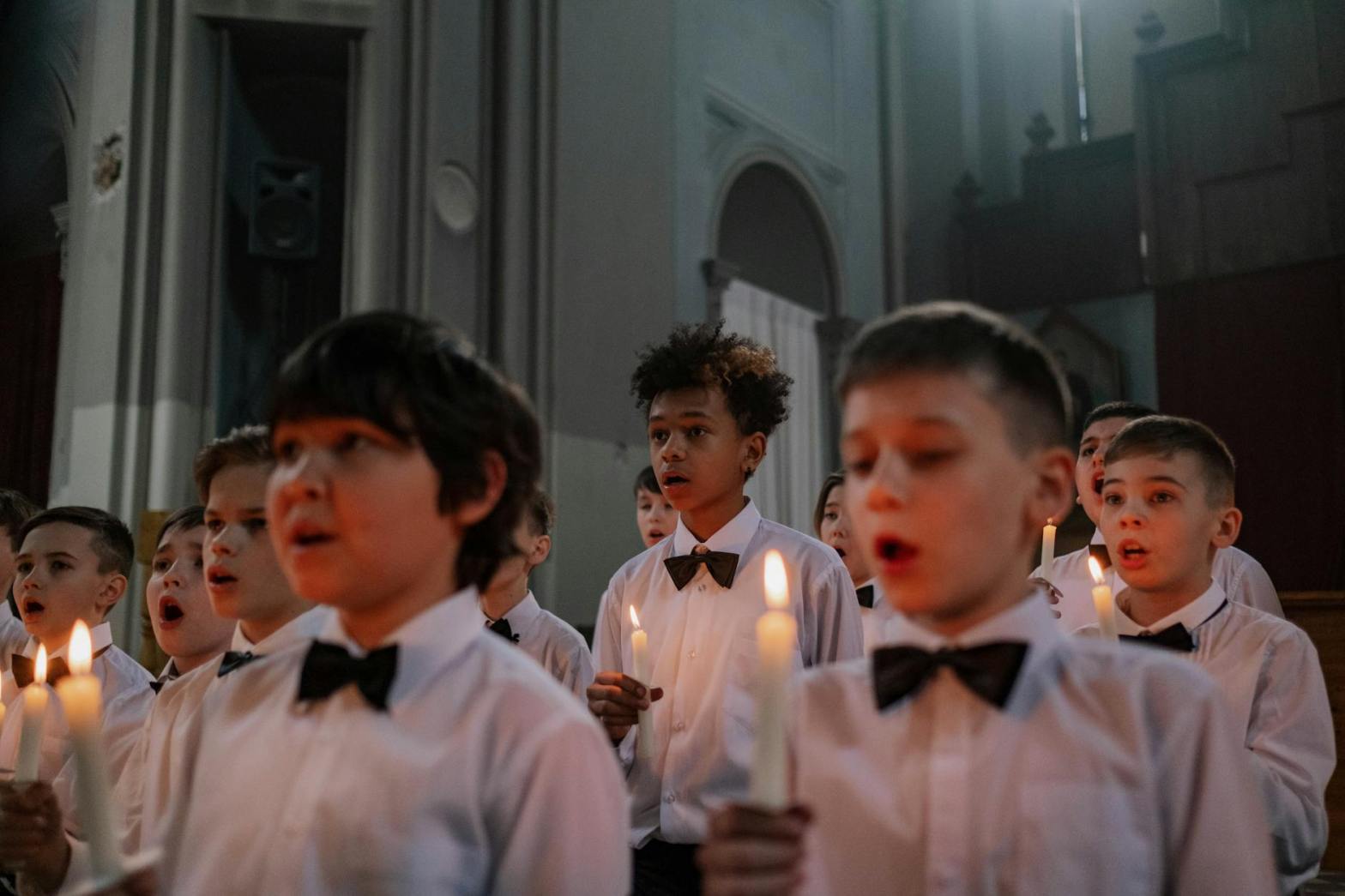
Voices process down the aisle, rising and falling, a young priest. The old ladies bow their heads, so I bow mine, but not before catching sight of a little choir boy with an untied shoe. I smile at him and he smiles back as if we share a secret.
Canticles, psalms, the old prayers. Things that don’t change give me peace. A blessing descends on my head. I watch the candles flicker in the draft. My shoulders relax. The rain stops.
Gabriella Brand‘s work has appeared in Comstock Review, Echoes, Citron Review, Room Magazine (Canada) and Shiuli (India). She is a Pushcart Prize nominee in both fiction and poetry. An active outdoorsperson, Gabriella teaches in the OLLI program at the University of Connecticut. Her website is gabriellabrand.net
All have risen in sleep. We glide into the sky over Pine Mountain, over the winding valleys,
runneled hillsides, family graveyards, the homesteads of this longing to gather
the smoky, broken years aside like a veil. We soar and hover, climb again for love
of the far moon, a way back into the brilliant globe of childhood, the ache for flight we scoured
into our flesh like frost, like sand, like soot —until the body tugs, insists on day,
and the sleeper turns, regains the muddy shell and casts about
for a word to crack open the dream, for threshold in the tongue of angels.
James Owens‘s newest book is Family Portrait with Scythe (Bottom Dog Press, 2020). His poems and translations appear widely in literary journals, including recent or upcoming publications in Channel, Arc, Dalhousie Review, Queen’s Quarterly, and Atlanta Review. Originally from Virginia, he earned an MFA at the University of Alabama and lives in a small town in northern Ontario, Canada.
 Amethyst Review