The Wings of the Dawn
Balloons filled the first-year classroom: yellow, purple, green, blue- every colour from the palest pink to the brightest pillar-box red. Young children ran screaming across the room, in hot pursuit of their favourite colour. Inevitably, a chorus of bangs and pops marked the change from air-filled, coloured bubbles to scraps of wrinkled plastic!
Outside the classroom windows, the rocky canyon of the Rift Valley, with its technicoloured glory of impossibly pink flocks of flamingos, bathed in the translucent sunlight of a late December afternoon.
Four-year-old Leoni held a piece of pale pink plastic in her chubby fingers. The beautiful balloon had floated across the classroom and exploded with a sudden bang as it was spiked on a rusty nail which supported a faded photo of some past education minister.
Sadly, Leoni made her way home with the other children from Selong, a village over five miles away, on the far side of the valley. As they walked along the well-trodden path through groves of acacia trees, and along the edge of fields already ploughed and sown with winter maize, the children chattered. The winter sun set in all its glory and the stars were faintly visible in the western sky. Only one or two balloons, which had survived the classroom scuffle, floated tamely behind their lucky owners, like bright coloured puppies on leads of string. Most of the children, like Leoni, clutched wrinkled slivers of plastic, hoping against hope, for a miraculous re-inflation.
By the time they reached the village, the sky had darkened and a thousand pinpricks of stars pierced the velvet blackness. Lanterns hung from the trees and fires glowed among the cluster of huts.
As the family sat round the fire in the centre of the round hut, finishing their evening meal of ‘ugali’, meat stew and beans. The wrinkled corpse of the pink balloon was passed from hand to hand.
‘Why is it broken?’
‘We could stick it with gum!’
‘Did it make a big bang?’
A chorus of questions followed in excited Swahili.
In all the excitement of the balloon saga, Leoni had forgotten it was Christmas Eve. Only when her father reminded her later that evening, did she remember. The small Catholic Church which served the local villages was two miles away along a footpath over the fields.
Just after eleven o’clock, a bunch of villagers set off. It was a moonlit night. The trees on either side were washed in a silver light. The sky was clear and alive with thousands of stars. Leoni and many of the children had walked over ten miles in total to and from school. Yet, they thought nothing of another long walk to midnight mass! In the distance, the howling of jackals broke into the excited discussion of the next day’s celebrations.
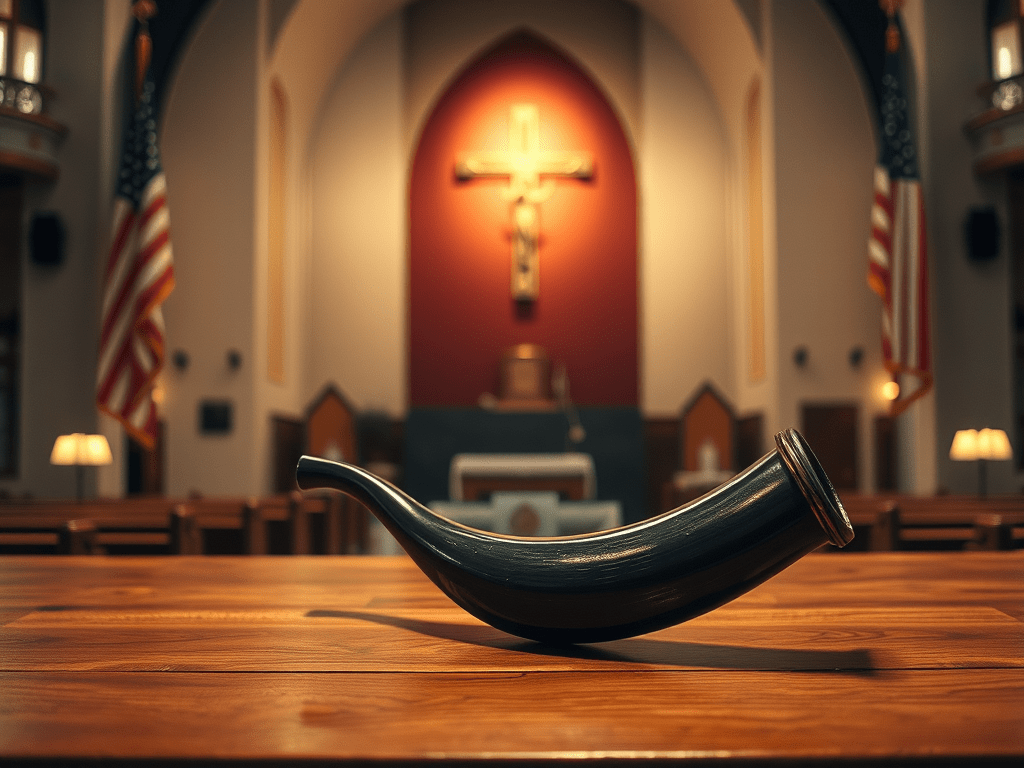
At last, the church loomed out of the darkness. The stained-glass windows glowed, lit by candles burning on the sills and the altar at the east end of the building. The priest stood at the door, greeting the congregation. His white vestments were reflected in the shadows cast by the flickering candles.
The familiar words of the mass and the Christmas story continued in the background as Leoni drifted in and out of sleep. The pink balloon in all its pristine beauty filled her dreams. It floated over the congregation and alighted on the priest’s head as he began his sermon.
She suddenly awoke at a nudge from her father who handed Leoni a few coins for the collection. As the congregation knelt in prayer, she could hear her father praying for a good harvest, for good health for the humped-back cattle and above all for rain. Leoni felt the sliver of plastic in the pocket of her dress. She begged Jesus to restore the balloon to its original glory. Surely the Christ Child would understand her longing for a pink balloon bobbing on a string, obedient to her every command?
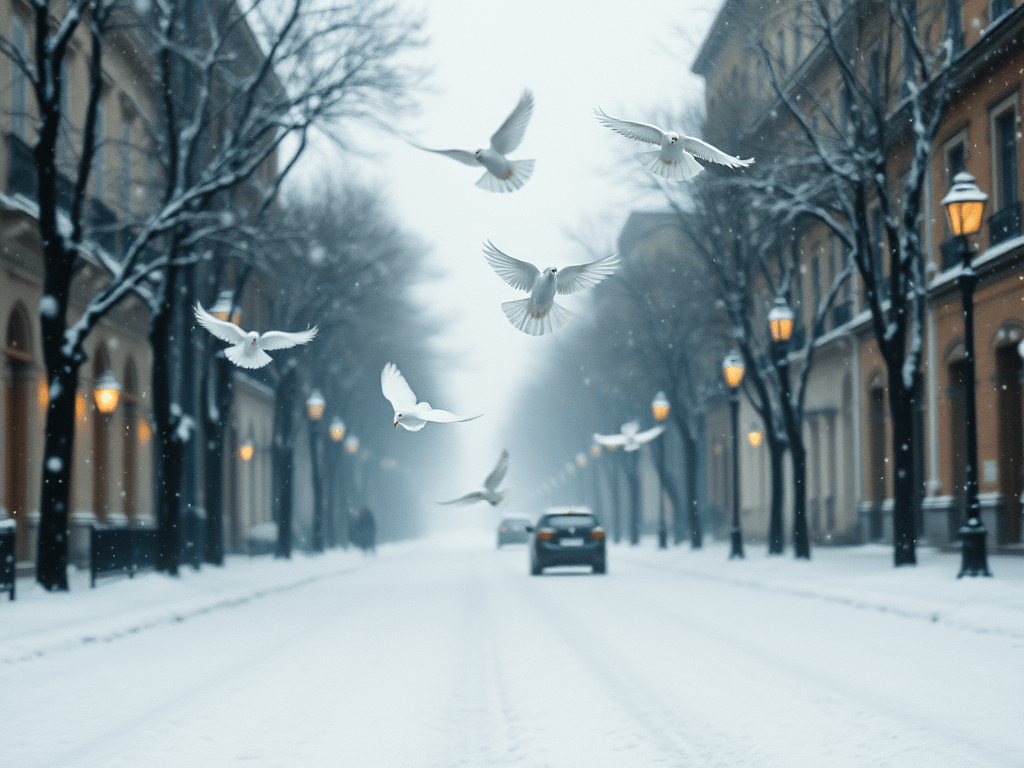
The next morning, as first light broke, Leoni felt inside the pocket of her school, gingham dress. Her fingers extracted the same sad sliver of torn pink plastic. She looked forlornly at the morning sky. The sun already appeared above the horizon, a red eyelid, just opening in the east. As she looked, two birds seemed to fly out from the centre of the rising sun. As they flew westwards, the first pink rays of light struck their wings. They burst into flames, rising from the ashes of yesterday to fly freely into a new day. Leoni heard her mother’s voice behind her. ‘Better than any plastic balloon, the beauty of the wings of the dawn.’
Sarah Das Gupta is an 82 year old, retired English teacher from Cambridge who has taught in UK, India and Tanzania. She lived in Kolkata for some years. Her interests include , the countryside, Medieval History, parish churches and early music. She has had work published in journals and magazines online and in print, in 20 countries, from New Zealand to Kazakhstan. She has recently been nominated for Best of the Net and a Dwarf Star Award.






 Amethyst Review